Can You Go To An Ice Cave Without A Tour?
The honest answer on visiting the Vatnajokull ice caves without a guided tour, plus what guided tours from Jokulsarlon cost and include.
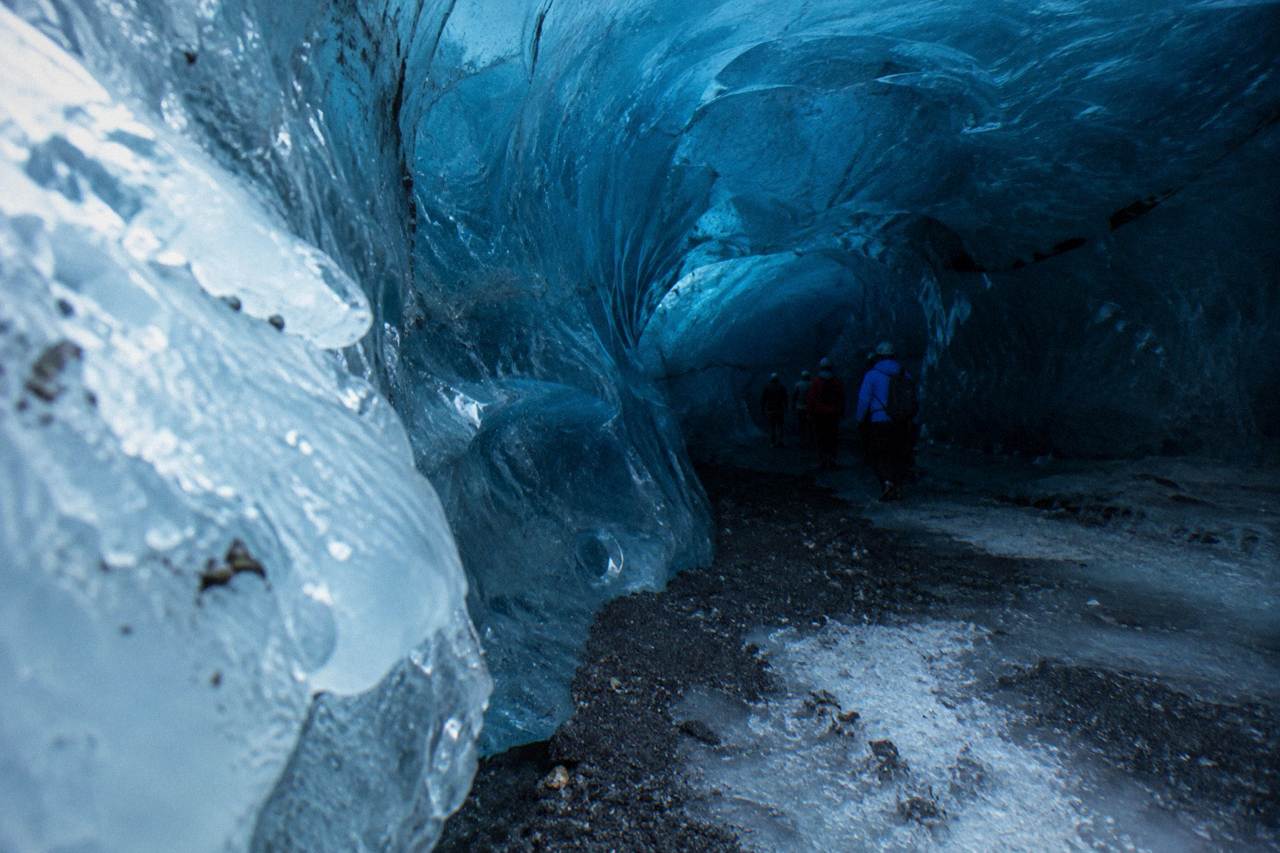
No. The natural ice caves inside Vatnajokull National Park, the ones reached from Jokulsarlon, are not open to independent visitors. Commercial access runs through operators contracted with the park, every cave is assessed for safety each day, and after a fatal collapse in August 2024 the rules were tightened further. An uncertified, unequipped person walking into a glacier cave alone is risking their life. A certified guide is strongly recommended for any trip onto the ice, and the guide to choosing between the Vatnajokull and Katla ice caves lays out how the two glaciers differ on season, price and tour style.
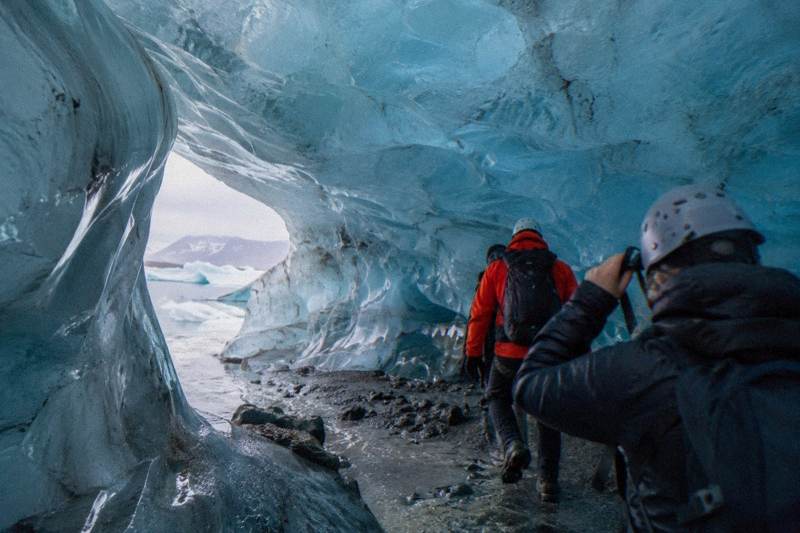
That is the honest answer, and it deserves the context behind it. The ice caves around Breidamerkurjokull, the outlet glacier that feeds Jokulsarlon, form and change every winter when meltwater carves tunnels through the ice. They are temporary structures. A cave that was stable last month can be dangerous this month, and a ceiling that looks solid can hide voids and overhanging ice that a trained guide is taught to read. Iceland's own safetravel service puts it plainly: never go onto a glacier without experience or the proper equipment, and hiring a certified glacier guide is highly recommended, as the crevasse map guidance makes clear. Those maps were updated in March 2026 precisely because the glacier's hidden dangers keep shifting.
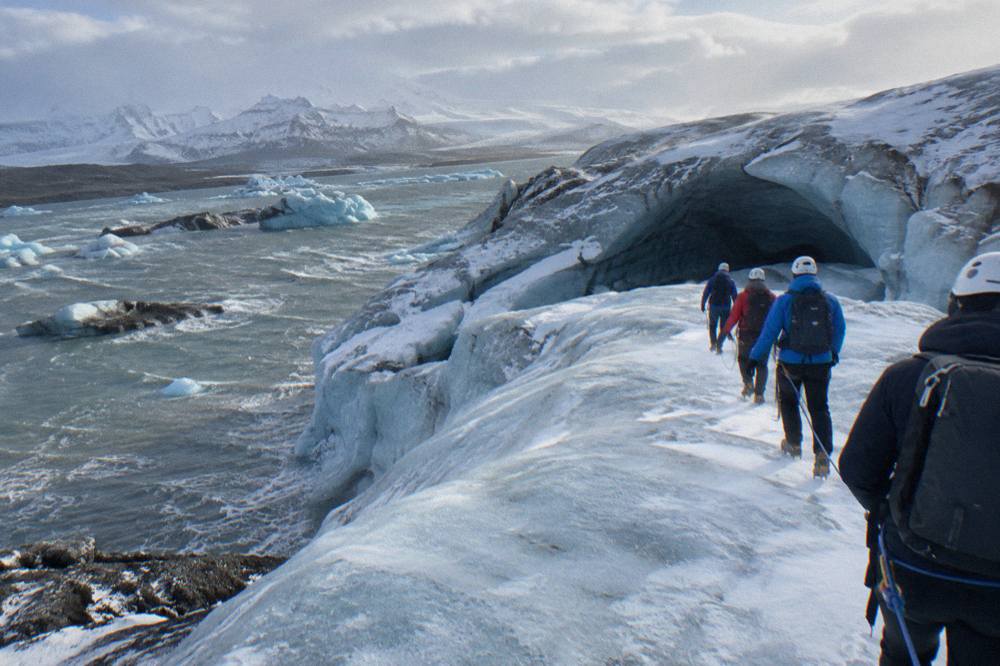
There is also a legal and practical layer. Since the 2024 accident, tour operators working inside the national park operate under stricter conditions, including a required lead guide and a documented daily safety assessment of each cave before any group enters, as Iceland Review reported in October 2024. In practice, the caves near the lagoon are accessed through contracted operators, not through open trails. There is no ticket desk, no signage pointing you to a cave, and no public route in.
What independent travellers can do, and do every day, is stand at Jokulsarlon and Diamond Beach and look at the glacier itself. That costs nothing beyond the park parking fee of 1,110 ISK for a passenger car. The caves, though, are a guided product by design.
The rest of this article walks through why the rules exist, what a guided tour actually gives you, what the realistic costs are, and what you can legitimately see on your own if you would rather not join one.
Why Can You Not Enter The Ice Caves Alone?
Because a glacier cave is an actively dangerous, constantly changing environment that only trained guides can evaluate on the day. The operator community's own guidance describes the natural cave season as roughly October to April, conditions permitting, and every tour reserves the right to change or cancel the cave visit. Ice conditions change daily depending on glacier activity, weather, tides and currents, so yesterday's safe route can be closed today.
The mechanism matters more than most visitors realise. Water from the glacier's surface drains down through moulins and re-emerges under the ice, hollowing out channels. When temperatures shift or a flood pulse moves through, those channels can widen, and the ice above them can lose support. A guide with local knowledge checks the ceiling, the entrance, the drainage and the weather forecast before a group steps inside. Ice caves open and close with the glacier, so the visit happens conditions permitting rather than as a promise, and that caution reflects the ice, not legal boilerplate. It reflects a genuine daily judgement call.
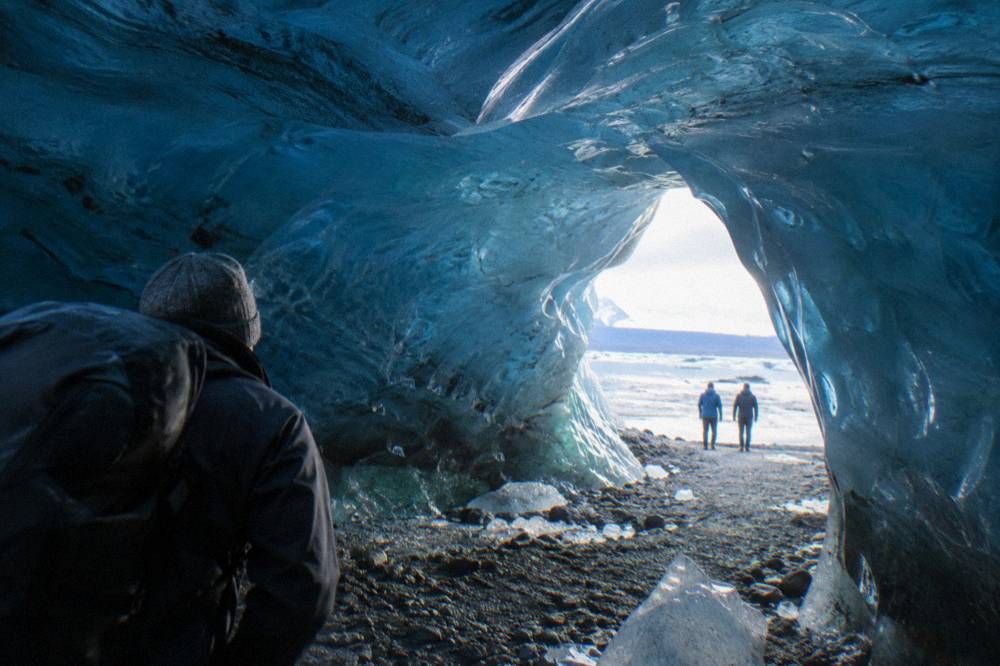
There is also the question of getting there at all. The ice caves reached from Jokulsarlon are not beside the car park. Operators use super jeeps or 4x4s to cross the glacier's sands and ice, a drive that requires vehicle knowledge and route judgement of its own. Even the walk from the drop-off point crosses crevassed terrain where crampons, a helmet and a rope-awareness that comes from training are standard. Walking out alone, in ordinary shoes, with no radio and no weather read, is how rescue calls start.
One point of confusion worth settling: man-made ice attractions elsewhere in Iceland, such as tunnels carved into glaciers as permanent structures, operate year-round on a different model. The natural caves near Jokulsarlon are not that. They are wild, seasonal and rebuilt by nature each winter.
Curious what a guided day actually looks like before committing? The tour below is the one this site features for the lagoon area.
Free cancellation up to 24 hours before applies to it, as it does to the ice cave tours covered here, so the weather call is not a financial gamble.
What Happened In 2024 And What Changed After?
A tourist died inside an ice cave on Breidamerkurjokull in August 2024 when part of the cave collapsed, and the national park responded with stricter operator conditions: a lead guide requirement, documented daily safety assessments of each cave and its overhanging ice, and a professional oversight council. In September 2025, taking summer groups into natural ice caves inside the park was ruled out by the authorities.
The reporting trail is public. RUV, Iceland's national broadcaster, reported in September 2025 that summer trips into natural ice caves within the national park were considered unacceptable following the accident. Iceland Review had already documented the new operator conditions in October 2024. Together those two reports explain the shape of the current market: natural cave tours from Jokulsarlon run roughly October to April, and no reputable operator sells a summer natural-cave trip inside the park.
For a traveller planning a visit, the practical effects are threefold. First, if your trip falls between May and September, a natural ice cave at the lagoon is simply not on the menu, and any product claiming otherwise should be treated with suspicion. Second, winter tours run under a stricter regime than existed before 2024, which is a genuine safety gain for visitors. Third, cancellations and route changes happen, because the daily assessment is real. Booking a tour with free cancellation up to 24 hours before, which every ice cave tour covered here offers, protects you if the glacier says no.
It is worth saying plainly that these rules exist because the danger is real, not because Iceland is bureaucratic. The same forces that make the caves spectacular, moving ice, meltwater, pressure, are the ones that make them unstable. The guides who work here accept that trade on your behalf, and the system that has emerged since 2024 is designed so that nobody else has to.
What Does A Guided Ice Cave Tour Include?
Guides lead the ice cave tours covered here, and the ones whose inclusions are listed provide crampons, a helmet and safety gear. What they do not include is transport to Jokulsarlon itself, which sits about 370 km east of Reykjavik on Route 1, a substantial drive even before stops and weather add time. Pickup is tour specific: some tours meet you at the lagoon, and on others it is an optional extra.
The meeting points are specific. The Original Ice Cave Tour sets off from the main parking area beside Jokulsarlon on Þjóðvegur. Hotel pickup and drop-off are not mentioned, and neither are food or drinks, so confirm both points on the booking page. The Blue Ice Cave tour meets at the Jokulsarlon Glacier Lagoon boat tours and cafe building, again with no accommodation pickup. The super jeep tours meet at operator bases at the lagoon. In every case the premise is the same: you have already made the journey to the southeast coast, by rental car or by a Reykjavik day trip, and the cave tour is the activity on top of that.
| Tour | Duration | Price from | Rating and reviews | Gear | Meeting point |
|---|---|---|---|---|---|
| Guided Vatnajokull Ice Cave | 3 hours | $195 per person | 4.2 across 2,194 reviews | Crampons, helmet, safety gear | Jokulsarlon |
| Crystal Cave Super Jeep | 2.5 hours | $168 per person | 4.2 across 1,772 reviews | Crampons, helmet, safety gear | Jokulsarlon parking lot |
| The Original Ice Cave Tour | 3 hours | $176 per person | 4.5 across 1,238 reviews | Crampons, helmet, safety gear | Jokulsarlon main parking |
Note what those inclusions mean in practice. Crampons are not a nice-to-have on glacier ice; walking on polished blue ice in boots alone is close to impossible and genuinely hazardous. Helmets exist because ice fragments fall. The guides carry the rope, the assessment and the vehicle. When a booking page says gear included, it is describing the minimum safe kit, not a marketing perk.
The Guided Vatnajokull Ice Cave Tour fits the pattern above: three hours, from $164 per person, rated 4.2 across 2,194 reviews, meeting at Jokulsarlon with guide and safety gear included. It is also the most reviewed of the three, by a wide margin, which is worth knowing if you read reviews before booking. Its cancellation terms are the standard 24 hours.
If a shorter, cheaper format appeals, the Crystal Cave Super Jeep tour compresses the experience into 2.5 hours and starts from $168 per person. Its booking page notes paid parking at Jokulsarlon, a daily fee per car payable at the kiosks in the lagoon car park or through the Parka app, valid until midnight on the day of payment.
The Original Ice Cave Tour takes a middle path: three hours, from $176 per person, rated 4.5 across 1,238 reviews, with pickup not mentioned and food and drinks not included. Its booking page is explicit that cave entry is subject to conditions and safety on the day.
How Much Does A Guided Ice Cave Tour Cost?
Among the ice cave tours covered here, per-person prices run from $164 to $195, with the cheapest being the Guided Vatnajokull Ice Cave tour from $164 per person and the dearest the Frozen Wonders and Blue Ice Cave tours at $195. All of these are per person, before parking and before your transport to the lagoon. The park parking fee is separate, 1,110 ISK for a passenger car.
A fuller picture of the ice cave category as sold from Jokulsarlon:
| Tour | Duration | Price from per person | Rating across reviews |
|---|---|---|---|
| Guided Vatnajokull Ice Cave | 3 hours | $164 | 4.2 across 2,194 reviews |
| Crystal Cave Super Jeep | 2.5 hours | $168 | 4.2 across 1,772 reviews |
| Crystal Blue Super Jeep | 3 hours | $168 | 4.4 across 635 reviews |
| The Original Ice Cave Tour | 3 hours | $176 | 4.5 across 1,238 reviews |
| Small Group Ice Cave | 2 hours 30 minutes | $194 | 4.8 across 298 reviews |
| Frozen Wonders Small Group | Not stated | $195 | 5.0 across 404 reviews |
| Blue Ice Cave | 3 hours | $195 | 4.6 across 973 reviews |
Two budget notes. First, the price difference between the cheapest and dearest option here is about $31, small enough that the choice should turn on duration, group format and meeting point rather than cost alone. Second, the hidden line item is almost always getting to Jokulsarlon. A rental car, fuel for the drive out from Reykjavik and back, or a seat on a day trip from $211 per person, will dwarf the cave ticket itself. Travellers who want both transport and a cave in one purchase can look at the multi-day south coast options, and the three-day ice cave trip that bundles pickup with a glacier hike runs from $999 per person. If you are still weighing whether the ticket price is justified, the ice cave tour value guide compares cost, duration and conditions for every option leaving from Jokulsarlon.
One comparison to skip: man-made ice tunnels elsewhere in the country run on different economics and a different season. Mixing their prices into a Vatnajokull budget just muddies the picture.
What Can You See Without A Guide Around Jokulsarlon?
Plenty, honestly. The lagoon itself, Diamond Beach about 500 m across the road, the walking trails from the main car park, and the sight of icebergs drifting toward the sea all cost nothing beyond parking. Seals are frequently seen resting on icebergs or swimming in the lagoon, though sightings are never promised, and the cafe at the lagoon is open year-round except 24 to 26 December and 31 December to 2 January.
This is the part of the answer that softens the no at the top of the page. A guide-free day at Jokulsarlon can be extraordinary. Walk under, not over, the Route 1 bridge to reach Diamond Beach, as the national park's Fellsfjara page instructs, and you can spend an hour among stranded ice chunks on black sand. Respect the sea while you do it: sneaker waves on open Atlantic black beaches arrive without warning, and the safetravel guidance for black beaches asks visitors to stay well back, at least 25 m from the waterline when the hazard level is orange. Never stand between ice and the sea; that is consistent visitor advice, and ice can shift or roll.
What you cannot do without a tour is go onto the glacier or into a cave. The lagoon operator also does not recommend private boats or kayaks on the lagoon, because icebergs roll, so the independent options really are the shoreline ones. The park's ranger team supervises the Jokulsarlon and Fellsfjara areas every day of the year, which is reassuring context rather than a restriction.
If you are weighing a self-drive trip against a bus tour, the self-drive versus tour comparison for Jokulsarlon breaks down the trade-offs, and the guide to Jokulsarlon in winter covers what the colder months do to roads and daylight. For readers who want the cave experience but are unsure whether it justifies the price, whether ice cave tours are worth it works through that question directly.
The site behind this article, Jokulsarlon Glacier Lagoon Tours, covers guided options departing from the lagoon, from caves to hikes to kayaking, if you want to see the full spread.
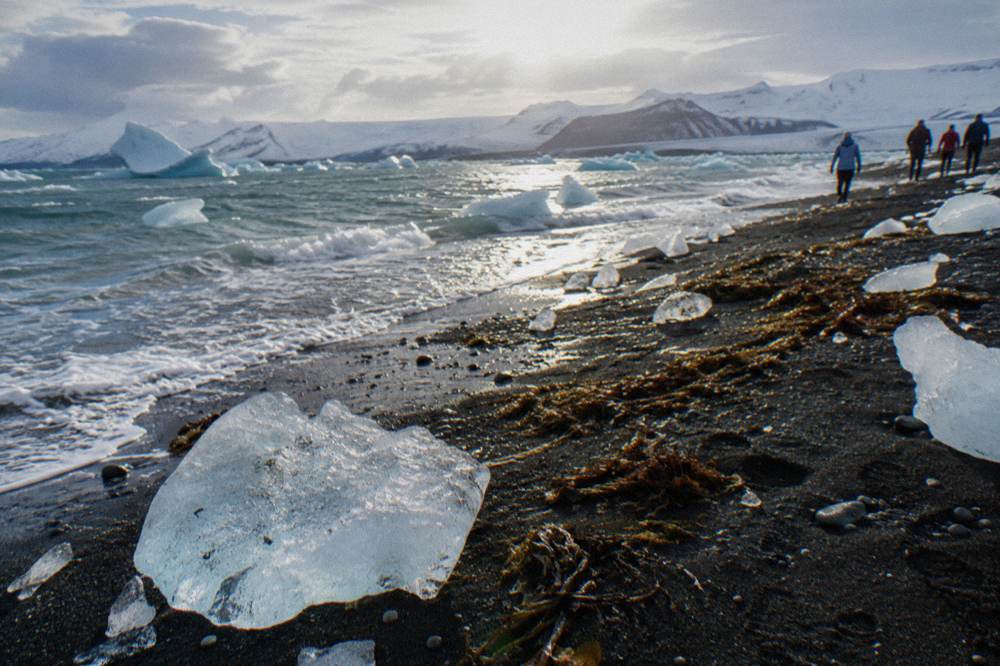
A reasonable plan for a guide-optional day: park at the main lot, walk the lagoon shore north toward the Helguholl ridge on trail B1, cross under the bridge to Fellsfjara, then decide whether the cave tour you booked for the afternoon still feels worth it. Usually it does.
When Is The Ice Cave Season Around Jokulsarlon?
Roughly October to April, conditions permitting, per the operator community's own FAQ guidance, with cave-specific start and end dates varying between products and operators. Summer natural-cave tours inside the national park are not run following the 2024 accident. If your trip is in the warmer half of the year, the caves are off the table and the lagoon, the beach and glacier hikes are the alternatives.
Season planning is where daylight and roads matter as much as ice. Daylight figures for Hofn, the nearest town with daylight data and within minutes of the lagoon's day length, show the squeeze: 7 hours 58 minutes on 1 November, 4 hours 59 minutes on 1 December, against 20 hours 11 minutes on 1 June. A short winter day compresses everything, which is one more argument for letting an operator handle the glacier logistics.
| Month | Daylight at Hofn on the 1st | Ice cave tours | Notes for planning |
|---|---|---|---|
| October | 11h20 | Season opens, roughly | Check the operator's cave-specific dates |
| November | 7h58 | In season | Winter driving rules in force, lights on 24 hours |
| December | 4h59 | In season | Short days, road conditions at umferdin.is/en |
| January | 4h21 | In season | Cold, limited light, book flexible |
| February | 7h06 | In season | Daylight returning |
| March | 10h10 | Late season | Crevasse maps updated March 2026 |
| April | 13h33 | Season closes, roughly | End dates vary by cave |
Weather-wise, the nearest long-term normals come from Kirkjubaejarklaustur, about 200 km west, and the coast right at the lagoon differs, so treat them as a rough guide: daily means hover around freezing from November through March, with 141 to 177 mm of precipitation per winter month. Wet snow and rain are as likely as powder. Winter driving rules apply: headlights front and rear around the clock, a rental car with winter tyres, and a check of the safetravel winter driving guidance before setting out.
Within the season, month choice is less about the cave itself and more about what surrounds it. The cave season runs from early October to late April, conditions permitting; the most stable, bluest ice typically comes in December, January and February; March and April bring longer light for photography. Conditions, not the calendar, decide what you get on the day.
Before choosing among the guided options, here again are the three tours this article has followed throughout:
Common Questions About Visiting Ice Caves
Can You Go To An Ice Cave Without A Tour?
No. The natural ice caves around Jokulsarlon are accessed through park-contracted operators, conditions are assessed daily, and entering a glacier cave alone without training or equipment is dangerous. Since the August 2024 fatal collapse, operator rules include a lead guide and documented daily safety assessments.
When Is The Ice Cave Season At Jokulsarlon?
Roughly October to April, conditions permitting, with cave-specific dates varying between operators. Natural ice cave tours are not run inside the national park in summer following the 2024 accident and the September 2025 ruling on summer groups.
What Should You Wear On An Ice Cave Tour?
Warm layered clothing, a waterproof jacket and trousers, and sturdy hiking boots. The tours include crampons, a helmet and safety gear where the booking page says gear is included, but several tour pages name clothing and shoes as not included, so bring your own.
Do Ice Cave Tours Get Cancelled?
Yes, sometimes. Every ice cave tour covered here describes the cave visit as conditions permitting, never promised, and operators assess each cave daily. All the tours covered here offer free cancellation up to 24 hours before, so a weather cancellation is not a financial loss.
How Do You Get To The Ice Cave Tours From Jokulsarlon?
The tours meet at points around the lagoon, including the main parking area and operator bases, and pickup varies: the BusTravel day trip offers it as a selectable option, and many do not mention it. Jokulsarlon is about 370 km east of Reykjavik on Route 1, a long drive even without stops, so plan transport first.
Can You Visit Jokulsarlon And Diamond Beach Without A Guide?
Yes. The lagoon shore, the trails from the main car park and Diamond Beach, about 500 m across the road via the underpass beneath the bridge, are freely accessible beyond the park parking fee of 1,110 ISK for a passenger car. Respect sneaker-wave guidance on the beach and never stand between ice and the sea.