Which Ice Cave Is Better, Vatnajokull Or Katla?
A comparison of the Vatnajokull ice caves near Jokulsarlon and the Katla ice cave under Myrdalsjokull: locations, seasons, prices, tour formats and which suits which traveller.
There is no single better cave: the choice follows your route and your season. Vatnajokull's natural caves run roughly October to April and sit beside Jokulsarlon, so you can pair a cave with the lagoon and Diamond Beach. Katla's cave under Myrdalsjokull is closer to Reykjavik and, per one major operator's FAQ, runs year-round. Only the Vatnajokull side is covered by the tours on this site, so that side is compared in full detail below.
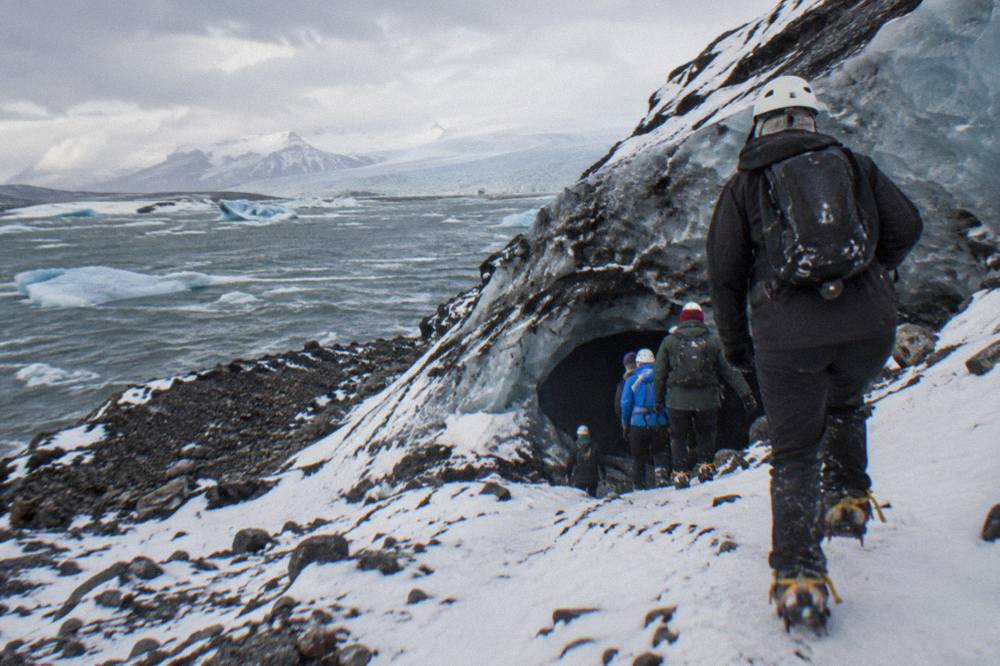
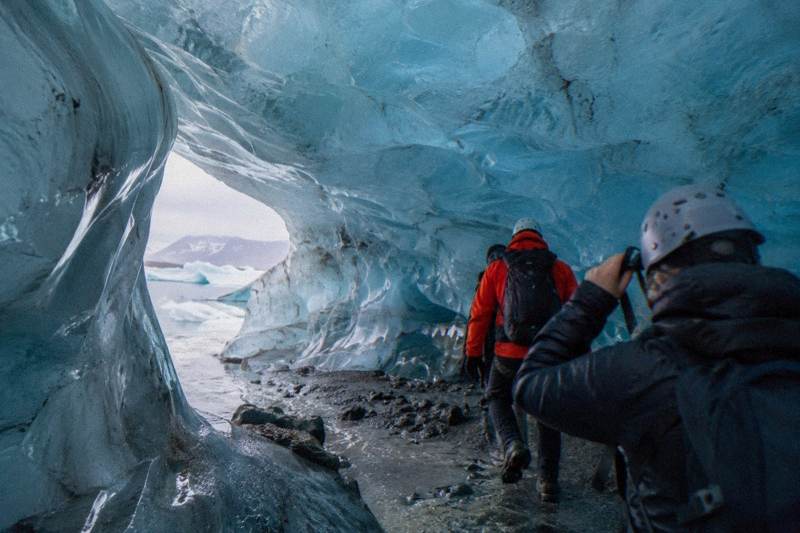
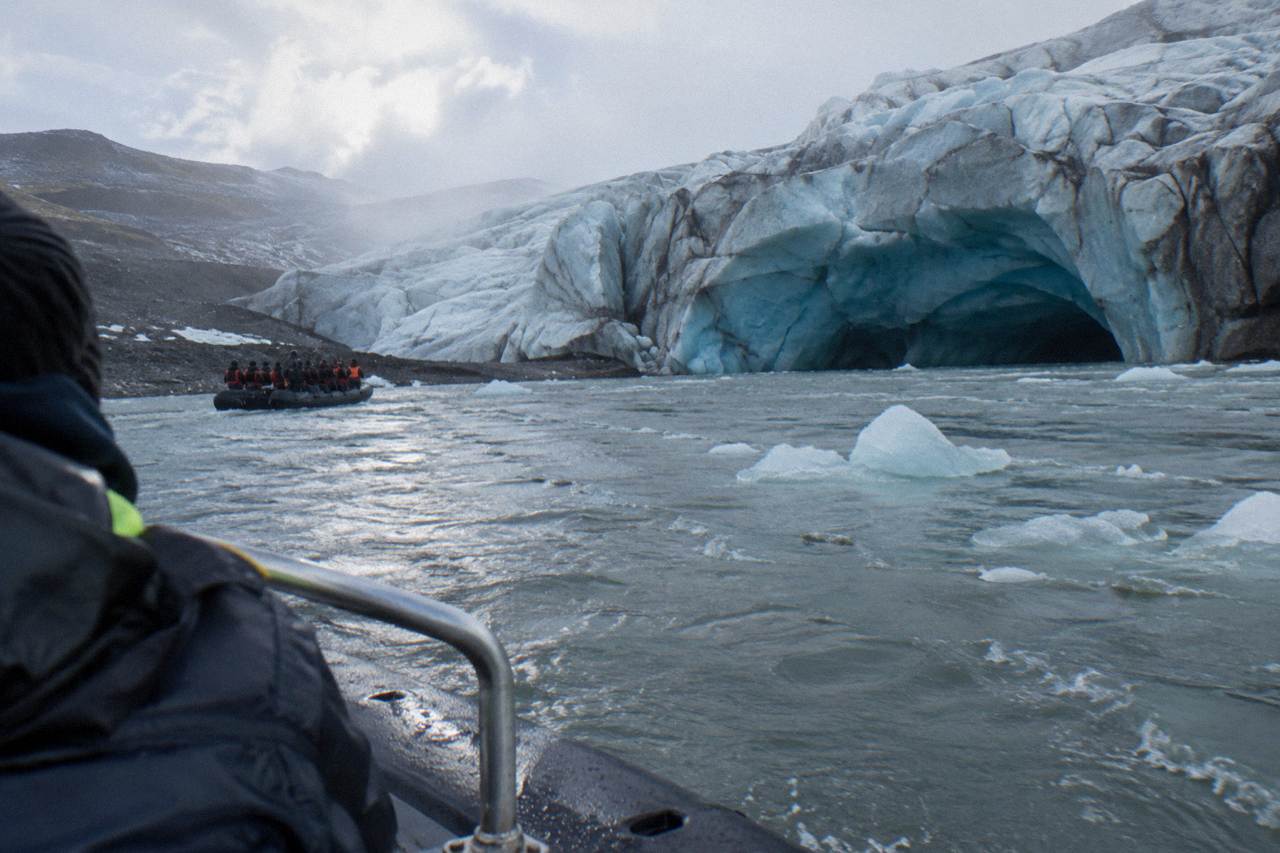
That short answer hides a genuinely useful distinction, so it is worth unpacking. The two names do not describe two caves in the same sense. Vatnajokull is Europe's largest ice cap by area, and the commercial ice cave tours sold from Jokulsarlon enter natural caves that form and change inside Breidamerkurjokull, one of its southern outlet glaciers. The caves are re-formed by meltwater each year, which is why the season is bounded and why operators assess each cave daily before taking groups in. Katla, by contrast, refers to the volcano under Myrdalsjokull, much further west along the south coast, where tours enter a glacier cave or ice tunnel carved by geothermal heat and melt beneath the cap. One major operator's ice cave FAQ lists Katla, along with the Langjokull man-made tunnel, as running year-round, while the natural Vatnajokull caves run roughly October to April with cave-specific dates.
The honest framing for this site is straightforward: the tours covered here are all Vatnajokull-area cave tours, all departing from the Jokulsarlon side, and none of them visits Katla. So this comparison can tell you in detail what the Vatnajokull option offers, at what price, in what format, and it can tell you what is publicly documented about Katla's year-round access without pretending to review a Katla tour. If your itinerary reaches the lagoon, the Vatnajokull caves are the practical choice because they start where you already are. If you never drive past Vik, Katla's proximity wins by default, and you can read more about the general cave landscape in the best ice cave tour guide for Iceland.
One more piece of context matters before any comparison. Since the August 2024 fatal collapse on Breidamerkurjokull, natural ice cave tours have been banned inside Vatnajokull National Park during the summer months, and operators now work under stricter conditions, including a lead guide and daily safety assessments of each cave, as Iceland Review reported. That regulatory backdrop is a real difference between the two regions, and it is a mark of how seriously the Vatnajokull side is now managed rather than a reason to avoid it.
With that framing set, here are the three Vatnajokull-area options this site covers, all starting at Jokulsarlon:
Each of those three is a genuine variant on the same glacier: different durations, different vehicles, different review pools, and the details are laid out section by section below.
Where Are The Vatnajokull And Katla Ice Caves?
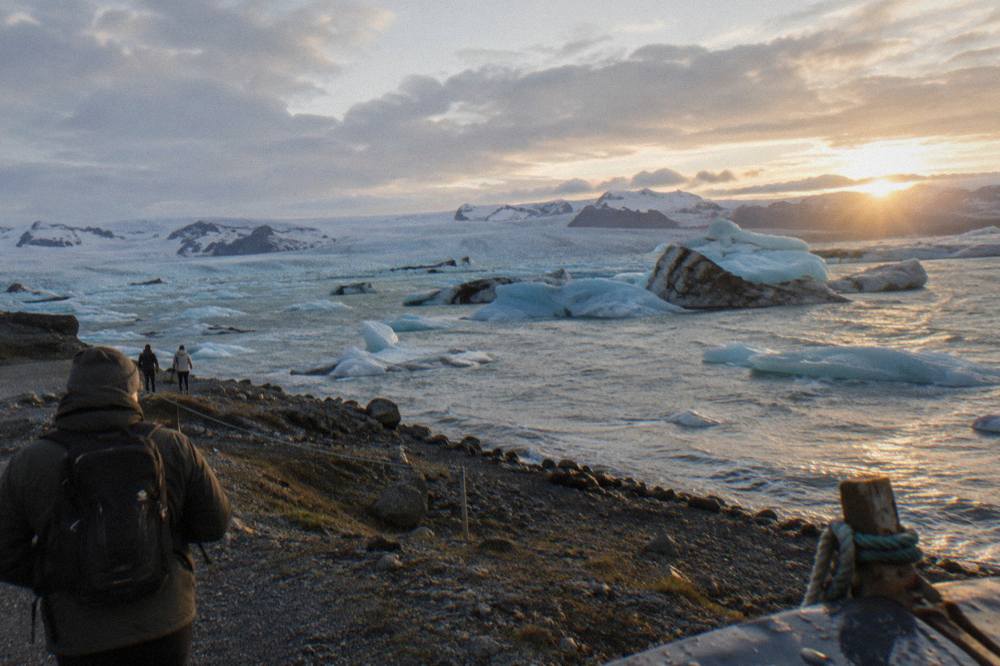
The Vatnajokull caves used by commercial tours sit inside Breidamerkurjokull, reached from the Jokulsarlon main parking area, roughly 370 km east of Reykjavik on Route 1. Katla's cave sits under Myrdalsjokull near Vik, a few hours closer to the capital. The covered cave tours here start at Jokulsarlon itself, and pickup is not mentioned for these, so plan to already be at the lagoon.
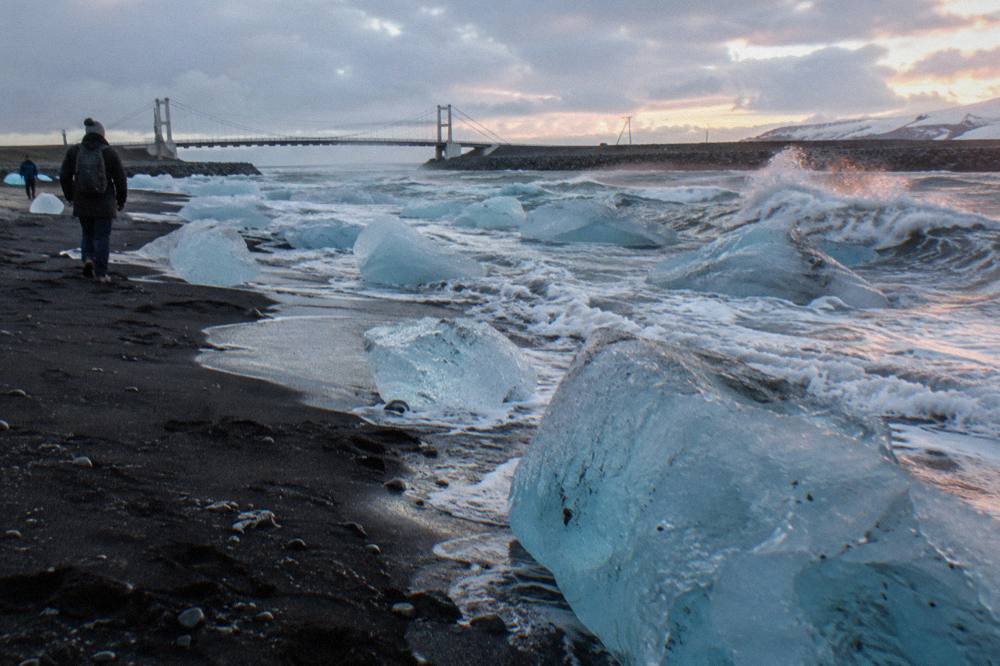
Distance is the first practical filter and it is not a small one. Jokulsarlon sits at the far end of the classic south coast drive: waterfalls at Seljalandsfoss and Skogafoss, the village of Vik, the black sands of Reynisfjara, and then the long sandur plain that opens onto the lagoon. A traveller basing themselves in Reykjavik who wants a Katla cave trip can do it as a shorter day tour from the capital or from Vik. The same traveller aiming at the Vatnajokull caves is signing up for either a very long day, an overnight in the Hofn area, or a multi-day south coast itinerary. That is exactly why the multi-day tours from Reykjavik bundle the cave with the lagoon and the waterfalls: the distance makes the bundle sensible.
The meeting points for the covered tours tell the story precisely. The Original Ice Cave Tour meets at Jokulsarlon Main Parking on Thjodvegur. The Crystal Ice Cave Super Jeep tour meets at the Jokulsarlon parking lot in Hornafjordur. The guided Vatnajokull tour meets at Jokulsarlon itself. Pickup is not mentioned for these trips: you drive, or ride a day tour bus, to the lagoon first, and the cave trip begins there. Super jeeps then carry groups from the parking area toward the glacier edge, which is part of why the tour format feels different from a Katla trip, long before the cave itself comes into view.
There is a planning detail that trips people up: parking at Jokulsarlon carries the Vatnajokull National Park regional fee, 1,110 ISK for a passenger car up to 5 seats, valid until midnight on the day paid, collected by licence-plate photo and payable at machines in the car parks or through the Parka app. The fee schedule is on the park's official price list. Build that into a self-drive morning, and note that rangers supervise the lagoon, the Diamond Beach side and the Breidamerkurjokull ice caves every day of the year, so the area you are walking into is actively managed.
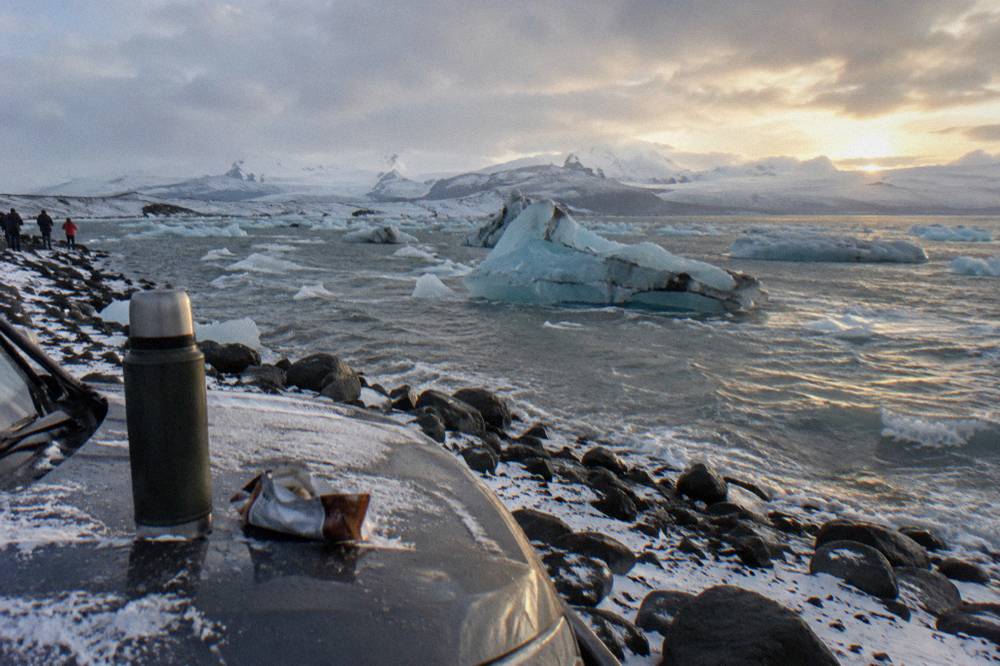
Choosing between the regions is partly choosing what else your day contains, which is the theme of the longer south coast worth-it question. A Katla day gives you Vik and the beaches west of it. A Vatnajokull day gives you the lagoon, Diamond Beach across the road, about 500 m away, and, in the right months, the possibility of combining the cave with a boat ride sold separately by the lagoon operator.
If the Vatnajokull side of that trade sounds like your trip, the guided three-hour option is the natural first check:
Free cancellation applies up to 24 hours before, on all three covered cave tours, which matters when weather on the south coast is part of the plan.
What Do The Vatnajokull Cave Tours From Jokulsarlon Actually Include?
All three covered cave tours include a guide, the safety gear (crampons, helmet and the equipment stated on each booking page), and a cave visit that is always conditions permitting. None includes food, drink or transport to Jokulsarlon. Durations run from 2.5 to 3 hours, and group size and minimum age vary by tour, so check the booking page for each one.
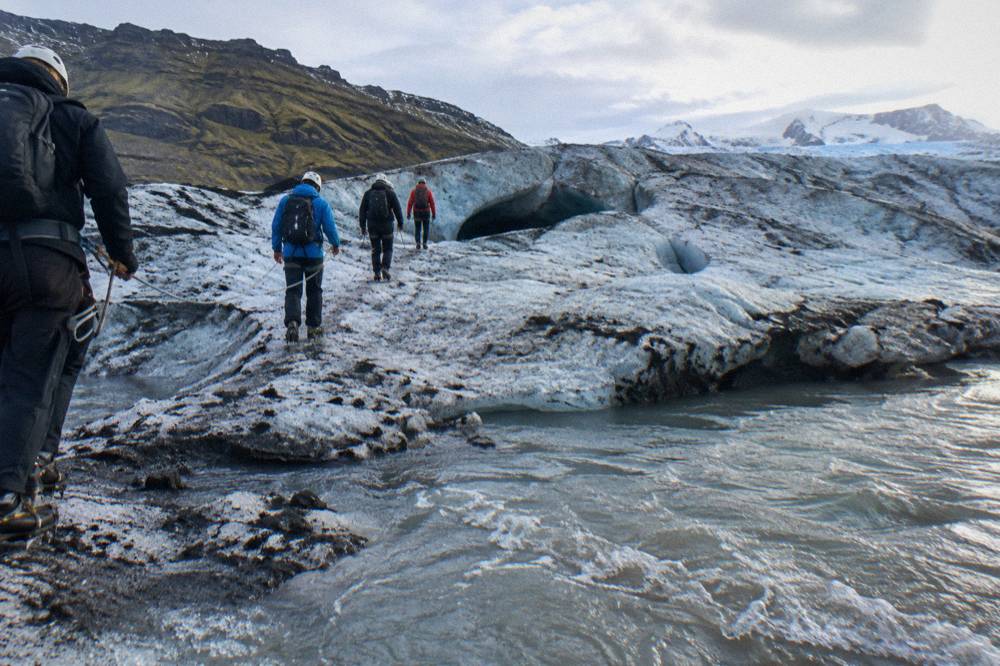
Start with what is common, because the common ground is what defines the product. Each tour's inclusions list names the gear: crampons, helmet and safety equipment. Each names a guide. Several note that cave entry depends on conditions, and no operator can promise entry, a particular colour of ice, or a particular cave. The operator FAQ that covers these caves puts the natural-cave season at roughly October to April, with cave-specific dates. If a booking page for a specific week in November shows a cave named Crystal or Neptune, that name belongs to that operator's current season plan, not to a permanent feature.
Now the differences, which are real. The Original Ice Cave Tour runs 3 hours, is rated 4.5 across 1,238 reviews, from $176 per person, with food and drinks not included. The guided Vatnajokull tour also runs 3 hours, from $164 per person, rated 4.2 across 2,194 reviews, the largest review pool of the three. The Crystal Ice Cave Super Jeep tour is the shortest at 2.5 hours, from $168 per person, rated 4.2 across 1,772 reviews, and its exclusions list is unusually candid: it names the parking fee charged by Vatnajokull National Park and transport from Reykjavik as things you pay for separately.
| Tour | Duration | From price | Rating and reviews | Meeting point | Gear and guide |
|---|---|---|---|---|---|
| Guided Vatnajokull Ice Cave | 3 hours | $164 per person | 4.2 across 2,194 reviews | Jokulsarlon | Gear and guide included |
| Crystal Ice Cave Super Jeep | 2.5 hours | $168 per person | 4.2 across 1,772 reviews | Jokulsarlon parking lot | Gear and guide included |
| The Original Ice Cave Tour | 3 hours | $176 per person | 4.5 across 1,238 reviews | Jokulsarlon Main Parking | Gear and guide included |
Two patterns jump out of that table. First, the price band is narrow: twelve dollars separate the cheapest and the dearest, so the decision is not really about money. Second, the review pools are large enough to read: all three sit in the 4.2 to 4.5 range across well over a thousand reviews each, which for a weather-dependent glacier product is a solid, consistent picture rather than a lucky handful of ratings. A seasonal caveat belongs here too. Ice conditions change daily depending on glacier activity, weather, tides and ocean currents, in the lagoon operator's own words, and the same variability governs the caves. The honest expectation is a well-run glacier morning with a cave entry that the guide confirms on the day.
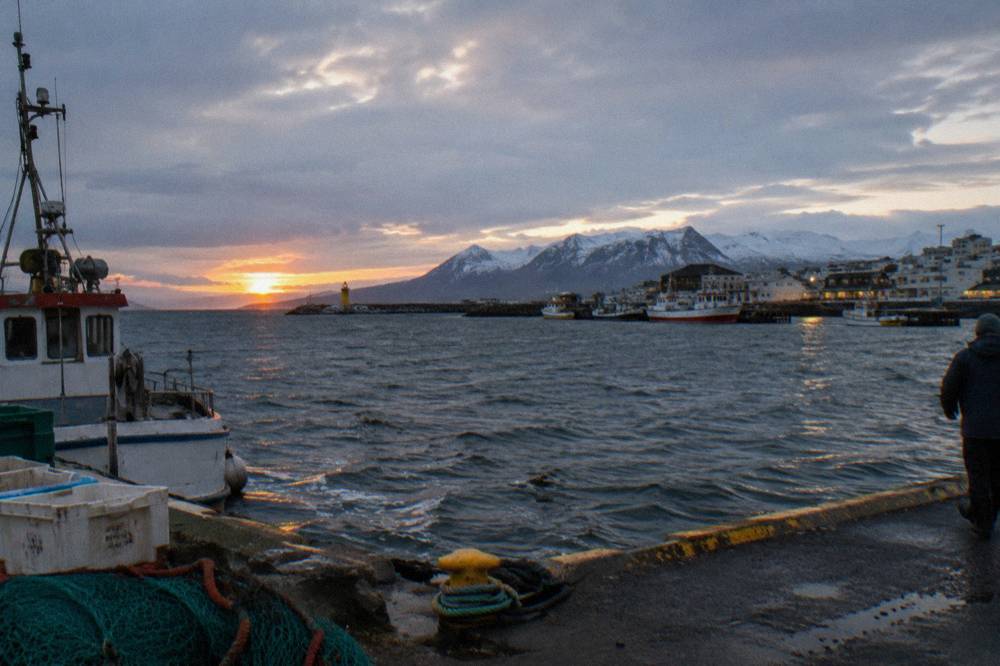
What none of these tours offers is the thing some readers arrive looking for: a boat ride on the lagoon. No standalone Jokulsarlon boat tour is sold through the booking platforms these tours use; the amphibian and zodiac rides are sold directly by the lagoon operator at the site, and on the covered day trips from Reykjavik a boat ride appears either as an optional paid add-on or not at all. The cave tours say nothing about boats either way. If you want both a cave and a boat on the same day at the lagoon, plan them as two separate purchases, which the guide to the Jokulsarlon boat tour covers in full.
How Much Should You Budget For A Vatnajokull Cave Trip?
Count three layers: the tour itself (from $164 to $176 per person across the three covered options), the park parking fee (1,110 ISK for a car up to 5 seats), and your transport to the lagoon. If you are not driving, the day trips from Reykjavik that reach the lagoon run from $211 per person, before any optional boat add-on. Food is not included on any cave tour.
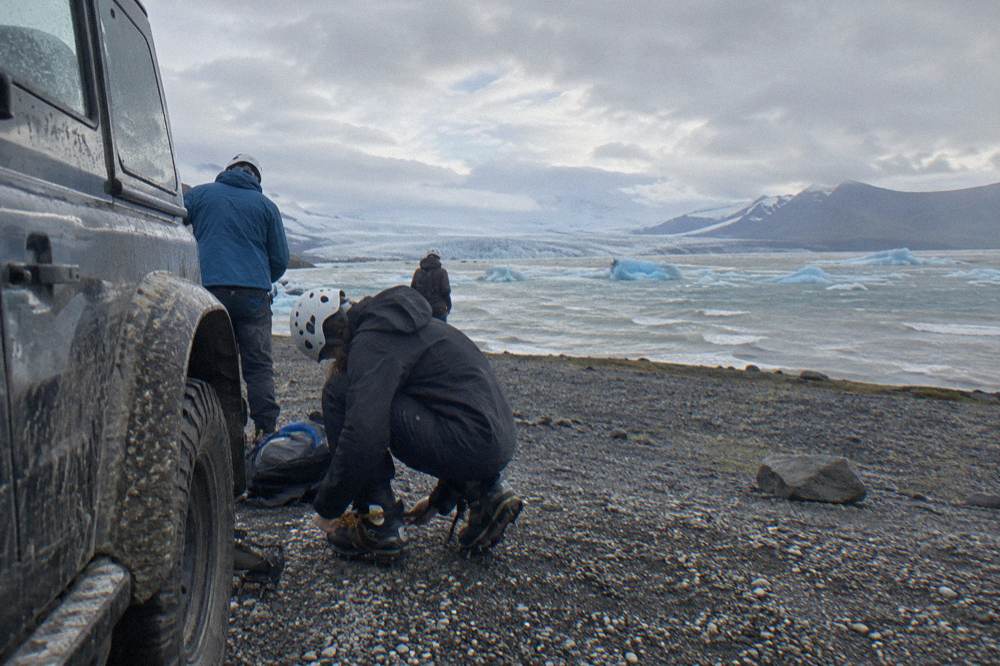
The self-driver's arithmetic is the simplest. A three-hour cave tour from Jokulsarlon, plus parking, plus fuel and a full day of driving each way from Reykjavik if that is your base, plus lunch bought at stops, since meals are not included. The cafe at the lagoon is open year-round except 24 to 26 December and 31 December to 2 January, per the operator's FAQ, so food at the lagoon end is realistic. Budget for winter clothing and sturdy shoes too: none of the three covered tours includes gear or footwear, and none of the three is a stroll in city footwear.
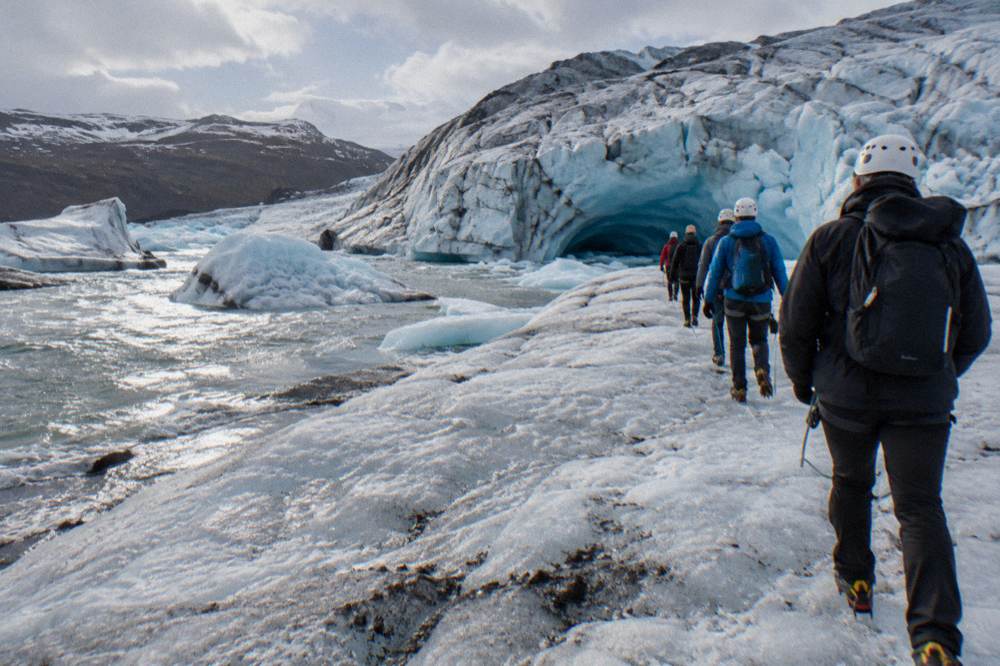
The non-driver's arithmetic adds a day trip. The most reviewed tour on this site, at 4,069 reviews, is the Reykjavik day trip to the lagoon and Diamond Beach, from $211 per person, on which the lagoon boat ride is an optional paid add-on rather than part of the base price. Two other Reykjavik day trips, from $225 and from $234, list the boat the same way or exclude it outright. The catch for the cave traveller is timing: a 14-hour bus day that reaches the lagoon at a set hour may or may not align with a cave departure, and the cave tours here meet at the lagoon parking, so matching the two falls to you. The clean solutions are either an overnight near the lagoon, covered in the where to stay guide, or one of the multi-day south coast tours that include an ice cave stop in the itinerary, such as the 2-day blue ice cave small-group tour, from $689 per person with breakfast and pickup included, rated 4.9 across 795 reviews.
| Budget layer | Self-driver, cave only | From Reykjavik, bus day trip | From Reykjavik, 2-day small group |
|---|---|---|---|
| Cave or tour base price | From $164 per person | From $211 per person (lagoon and beach day) | From $689 per person (cave, lagoon, south coast) |
| Parking | 1,110 ISK per car | Check the booking page | Included in tour logistics |
| Pickup | Not included, meet at Jokulsarlon | Option-dependent, check the booking page | Pickup included |
| Meals | Not included | Not included, stops en route | Breakfast included, lunch and dinner paid |
| Typical fit | Already at the lagoon | Lagoon day without the cave | Cave plus lagoon in one booking |
The table's real message is that the cave itself is cheap; getting to the cave is the cost. That is equally true of Katla, where the shorter transfer is precisely the product, and it is why the honest comparison is not cave versus cave but day versus day. What you get on the Vatnajokull side for the extra hours is the lagoon, the beach, and the pair of long-established review-backed ways to see the ice. For the shorter-format option, the 2.5-hour super jeep tour is the one to check:
Free cancellation up to 24 hours before applies to it as to the others, which takes some of the weather risk off the booking decision.
When Can You Visit Each Cave?
Vatnajokull's natural caves run roughly October to April, conditions permitting, and summer natural-cave tours inside the national park have been banned since the 2024 accident. Katla, per one major operator's FAQ, runs year-round. That makes the seasons a hard filter: outside October to April, the Vatnajokull cave question does not arise, and the covered alternatives are glacier hikes and lagoon boats.
The seasonal logic follows from how each cave exists. The Vatnajokull caves are natural formations that meltwater carves and re-carves; they appear, change and close, and the park's post-2024 rules add a daily safety assessment of each cave and its overhanging ice before any group enters. The season is therefore not marketing, it is hydrology plus regulation. The national broadcaster's reporting from September 2025 confirmed the summer ban on taking groups into natural ice caves inside the park, so a reader who finds a summer Vatnajokull natural-cave offer should treat it with suspicion.
Katla's year-round claim, as printed in the operator FAQ, is a different story: the cave under Myrdalsjokull takes visitors through summer, while the natural meltwater caves on Breiðamerkurjökull close from May through September. No Katla tour is covered here, so no price, duration or rating for one can be quoted, and that limitation is stated plainly rather than papered over. If your trip falls in June, July or August and an ice cave is the priority, Katla is the documented summer option; the Vatnajokull side offers glacier hikes instead, such as the Skaftafell hike from $96 per person, the lowest per-person price on this site.
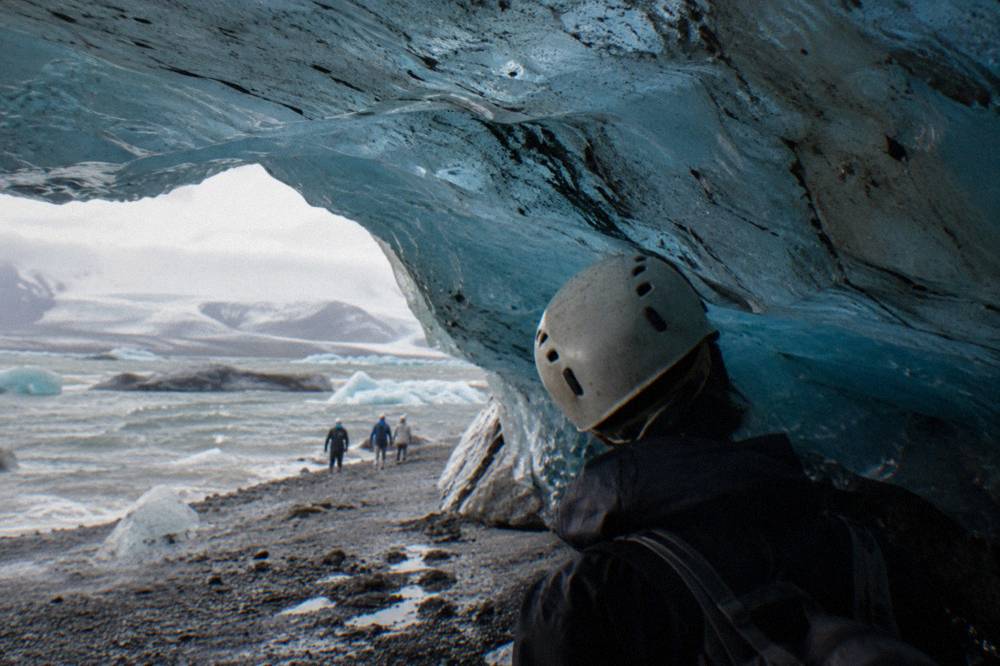
For the shoulder months, daylight and weather shape the day as much as the calendar. Daylight at Hofn, the nearest town with daylight data and within minutes of the lagoon, runs 7 hours 58 minutes on 1 November and 10 hours 10 minutes on 1 March, against 20 hours 55 minutes on 1 July. November through March cave days are short, cold and often windy, and safetravel's winter driving guidance applies to anyone self-driving: lights on at all times, a rental car with winter tyres, road conditions checked on umferdin.is/en and forecasts on en.vedur.is. None of that argues against the trip; it argues for booking the cave with a 24-hour cancellation policy, which every covered cave tour carries, and checking the forecast the evening before.
Which Cave Suits Which Traveller?
Choose Vatnajokull if your route already reaches Jokulsarlon, you travel roughly October to April, and you want the cave paired with the lagoon and Diamond Beach in one location. Choose Katla if you are short on time, based near Reykjavik or Vik, or travelling in summer. For photographers, the Vatnajokull tours offer the deeper glacier-interior scenes; for year-round access, conditions permitting, Katla holds the edge.
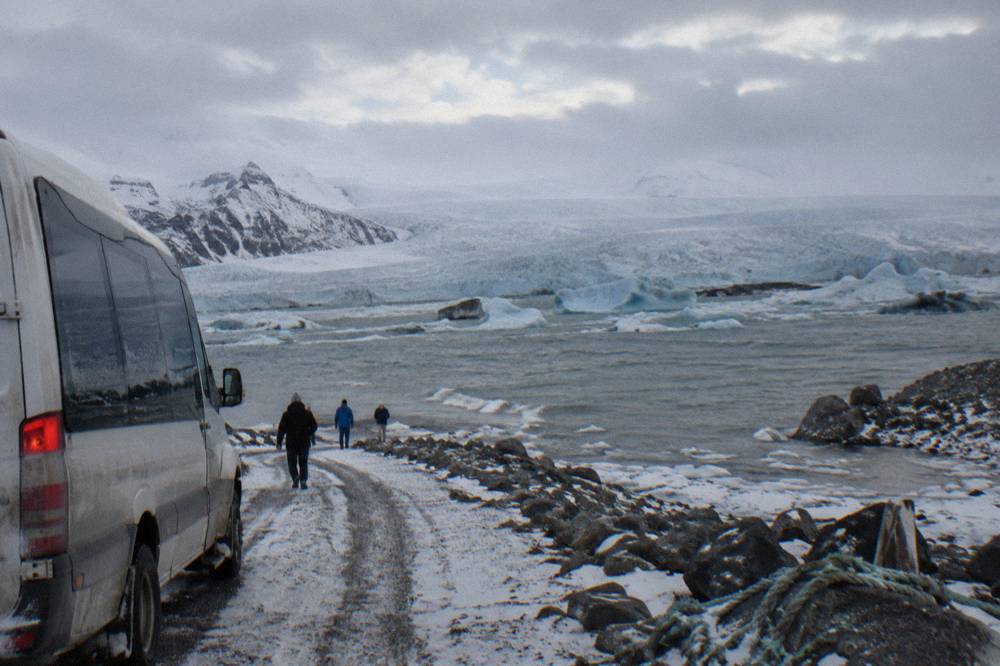
Travellers sort into a few recognisable groups, and the fit differs sharply by group. The south coast road-tripper, two or three nights, Vik to Hofn, is the natural Vatnajokull customer: the lagoon is already on the route, the cave adds three hours, and the 4.2-to-4.5-rated tours with review pools in the thousands remove most of the guesswork. The short-break visitor, three nights in Reykjavik, one free day, faces a roughly 370 km drive each way for the Vatnajokull caves and should either accept a 14 to 15 hour day trip or take the Katla side's shorter transfer, which this site cannot price.
The family question cannot be answered from the three tour pages covered here, because none of them mentions a minimum age or group size, and the general rule on this site is to print only what the booking page sets out. The zodiac boats on the lagoon, sold separately by the operator, carry a stated 130 cm minimum for children, but that figure belongs to the boats, not the caves, and must not be borrowed. Families should treat the 2.5-hour super jeep format as the gentlest of the three by duration alone and ask the operator directly about ages at booking.
| Traveller situation | Better fit | Why |
|---|---|---|
| South coast road trip, 2+ nights, Oct to Apr | Vatnajokull | Cave starts where the route already goes; lagoon and Diamond Beach same stop |
| Reykjavik base, one free day, winter | Katla or a long Vatnajokull day trip | a long drive each way otherwise |
| Summer trip, June to August | Katla | Summer natural-cave tours banned inside the park since 2024 |
| Cave plus lagoon boat on one day | Vatnajokull | Boats sold on site at the lagoon, May to October, sometimes into November |
| Shortest time on the ice | Vatnajokull, 2.5-hour format | Shortest stated duration among the covered tours |
| Tightest budget | Either, both cheap relative to the day | Cave tours from $164; the real cost is transport |
One fit question that this site can answer with its own numbers: among travellers already committed to the lagoon, the guided Vatnajokull tour is the most reviewed cave option, and the Original Ice Cave Tour carries the highest rating of the three, 4.5 across 1,238 reviews. Those are modest differences, honestly stated. The vehicle format, the exact meeting point and the departure time that suits your day matter more than a tenth of a rating point, and all three can be compared side by side before booking. The question of whether a cave is worth it at all, in any region, has its own treatment in the ice cave worth-it discussion.
For the highest-rated of the three formats, the Original tour is the one to check, with the same 24-hour free cancellation:
Whatever the choice, the safety framing deserves the last word here. Going onto or into a glacier without experience or equipment is something safetravel.is warns against plainly, and hiring a certified glacier guide is highly recommended, a standard every covered tour here meets by including a guide and the full gear set. That is the real value being bought, as much as the blue ice.
So the practical closing advice is this: fix your dates and your route first, and let the cave follow. October to April with the lagoon on the itinerary points at the three tours compared above, reachable through Jokulsarlon Glacier Lagoon Tours. Summer, or a tight Reykjavik radius, points at Katla, with the honest caveat that no Katla product is covered here and its year-round season rests on the operator FAQ alone.
Common Questions About Vatnajokull Or Katla
Which Ice Cave Is Better, Vatnajokull Or Katla?
Neither is simply better. Vatnajokull's natural caves run roughly October to April and pair with Jokulsarlon and Diamond Beach; Katla runs year-round per one major operator's FAQ and sits closer to Reykjavik. Only the Vatnajokull side is covered by the tours on this site, from $164 per person.
Can You Visit A Vatnajokull Ice Cave In Summer?
No. After the August 2024 fatal collapse on Breidamerkurjokull, natural ice cave tours inside the national park are banned during summer, and operators run the caves roughly October to April, conditions permitting. Summer alternatives at the lagoon include glacier hikes and the operator's boat rides.
How Do You Get To The Vatnajokull Ice Cave Tours?
All three covered cave tours start at Jokulsarlon, roughly 370 km east of Reykjavik on Route 1, a long drive even without stops. Pickup varies by tour: some day trips offer it as an option, while ice cave tours from Jökulsárlón meet at the lagoon parking.
Do The Cave Tours Include Gear And A Guide?
Yes on all three covered tours: crampons, helmet and the stated safety equipment are included, along with a guide. Food, drinks, clothing, shoes and transport to Jokulsarlon are not included, and the Crystal Super Jeep tour page also names the park parking fee as a separate cost.
Do The Cave Tours Include A Boat Ride On The Lagoon?
No. The tour pages make no mention of a boat ride, and no standalone Jokulsarlon boat tour is sold on this site. The amphibian and zodiac rides are sold directly on site by the lagoon operator, May to October, sometimes into November, at the operator's own prices.
Is Cave Entry Guaranteed On A Vatnajokull Tour?
No. The cave visit runs conditions permitting, and ice conditions change daily with glacier activity, weather, tides and currents. Operators assess each cave daily, and all three tours allow free cancellation up to 24 hours before.