Is The South Coast Of Iceland Worth It?
An honest look at whether Iceland's south coast deserves your day, from the waterfalls near Vik to Jokulsarlon and Diamond Beach, with costs, durations and tour options.
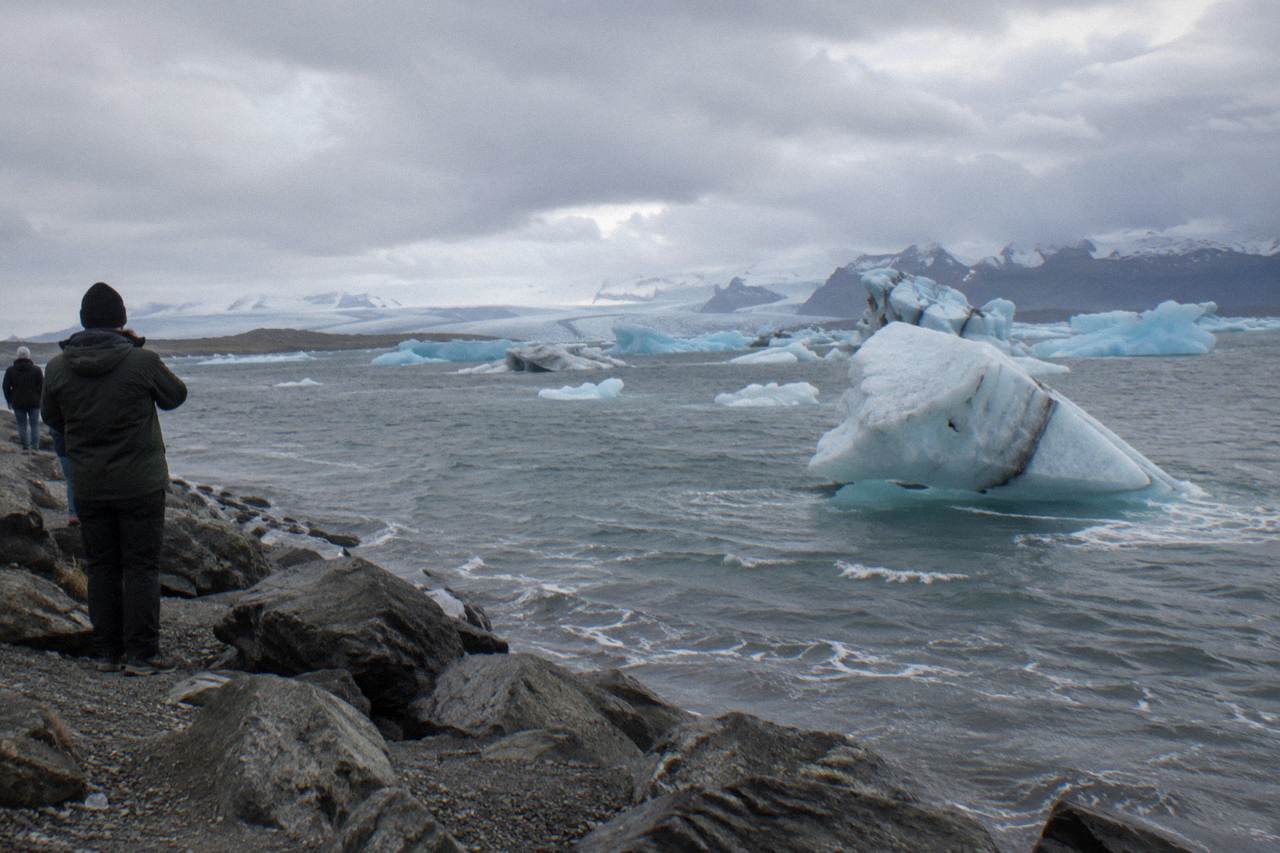
Yes, for most travellers the south coast is worth it, and the reason is density: waterfalls you can walk behind, black sand beaches, glacier tongues and iceberg lagoons all sit on a single stretch of Route 1. Jokulsarlon, about 370 km east of Reykjavik, is the far end of the day, a long drive each way even before you count stops. That distance is the one honest argument against the trip, because it turns a lagoon visit into a 14-hour commitment. Whether it is worth it comes down to whether the iceberg lagoon and Diamond Beach matter more to you than a shorter, softer day closer to the capital. For a closer look at the icebergs themselves, the guide to whether Diamond Beach is worth it covers what you actually see, the safety rules, and the best time of day to arrive.
The south coast is not one attraction but a chain of them. West to east, the classic route runs the waterfalls of Seljalandsfoss and Skogafoss, the black sand beach at Reynisfjara near Vik, the glacier edge at Skaftafell, and finally Jokulsarlon with Diamond Beach across the road. Day trips from Reykjavik cover most of this, and the longest ones reach the lagoon. Multi-day versions slow the pace and add ice caves or a glacier hike, which are the two experiences a single-day schedule cannot comfortably fit. Since Jokulsarlon sits at the far end of that chain, the guide to Jokulsarlon's real tour prices and seasonal limits helps you judge whether the long drive earns its spot on the itinerary.
The most reviewed option covered here, the BusTravel Diamond Beach Day Trip, is rated 4.7 across 4,069 reviews and runs 14 hours out of Reykjavik, from $211 per person. Its lagoon boat ride is an optional paid add-on rather than part of the base price, and food and drinks are not included, so budget for restaurant and fuel stops along the way. Most of these tours stop at the famous falls on the drive east, though a couple visit them on the way back instead, and the guide to the waterfalls you'll pass on the way to Jokulsarlon explains what each stop involves and how the pickup details compare.
For readers weighing the whole idea rather than one operator, a wider comparison of the route options sits in the south coast tour planning guide, and the honest cost breakdown for the lagoon end of the day is covered in how much a lagoon trip actually costs.
How Long Does A South Coast Day Trip Take From Reykjavik?
A full-day south coast tour that reaches Jokulsarlon runs 14 to 15 hours door to door, and the drive each way covers about 370 km of Route 1. Tours that turn back at the glaciers or the waterfalls run shorter, but they miss the lagoon and Diamond Beach entirely. The long versions leave Reykjavik early in the morning and return late in the evening, which is why the booking pages describe them honestly as full days rather than excursions.
The three day trips that reach the lagoon make the time comparison easy. The BusTravel Diamond Beach Day Trip runs 14 hours, with pickup in Reykjavik available as an option. The Gray Line 14.5-hour version meets at the BSÍ Bus Terminal instead, and the booking page says plainly that the lagoon boat tour is not included. The 14 to 15 hour day trip from $225 lists 36 drop-off locations with the meeting point depending on the option selected. All three include a guide, exclude food and drinks, and offer free cancellation up to 24 hours before.
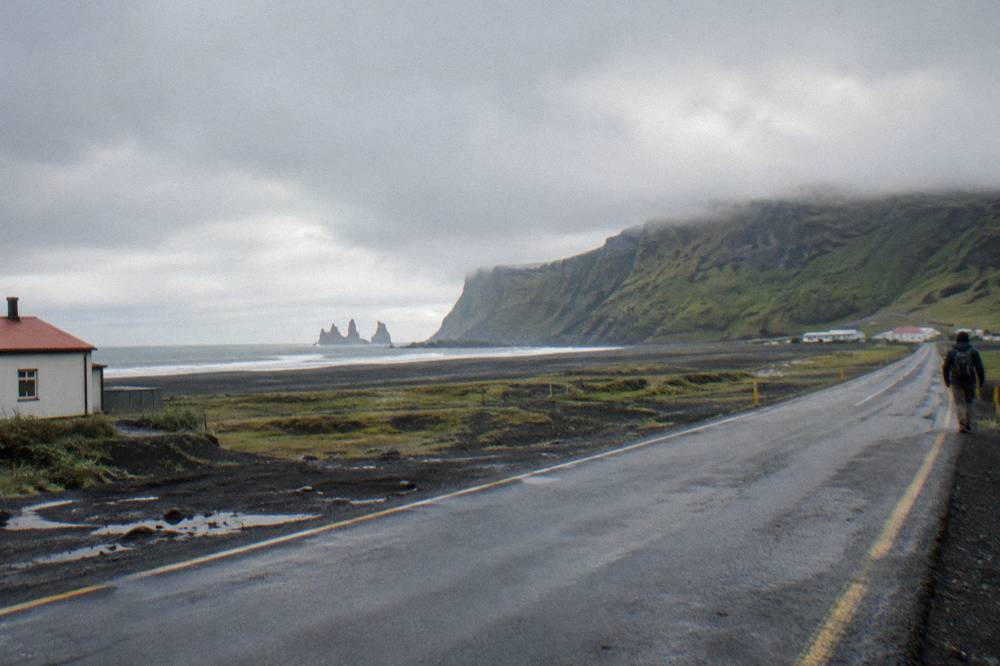
What fills those hours matters as much as the number. Stops typically include the waterfalls, a lunch break at a local restaurant or fuel station, Skaftafell or a glacier viewpoint, the lagoon itself, and Diamond Beach, which sits about 500 m across the road from the lagoon. The park asks visitors to walk under the Route 1 bridge rather than over it to reach the beach, a detail worth knowing before you arrive with a tour group.
Is the long day back to back with a flight or a northern lights hunt a good plan? Probably not. The return leg lands most travellers in Reykjavik late in the evening, tired. Anyone planning two big days in a row should read the two day south coast itinerary guide before booking a single-day sprint.
What Do You Actually See On A South Coast Day Trip?
The core sights are two waterfalls, Seljalandsfoss and Skogafoss, the black beach at Reynisfjara near Vik, the glacier country around Skaftafell, and, on the longest tours, Jokulsarlon and Diamond Beach. Each stop is short, usually well under an hour, so the day is a sequence of highlights rather than a deep visit to any one place. That is the trade: breadth over depth, and it works because the scenery changes completely every hour.
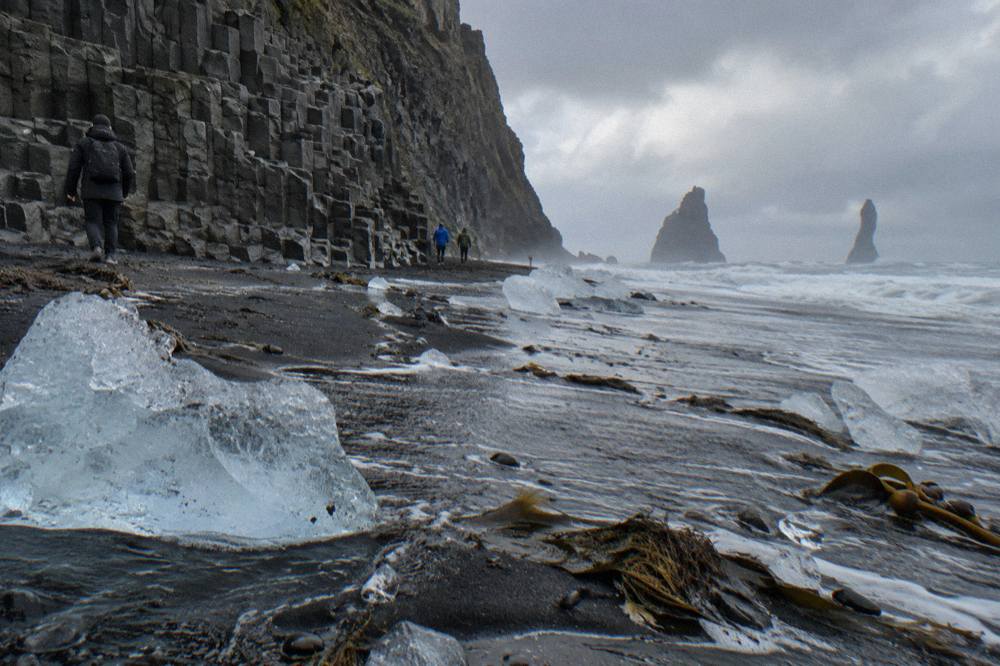
The waterfalls near the start of the route are the warm-up. The black sand beach at Reynisfjara is where the ocean first asserts itself, and it deserves respect: the safety guidance for Iceland's black beaches describes sneaker waves that arrive without warning and can sweep an adult out to sea in seconds, with hazard levels ranging from yellow, moderate, through orange, stay at least 25 m back, to red, when the beach itself is closed and only the viewing area is open. The same rule applies on any open Atlantic black beach, Diamond Beach included.
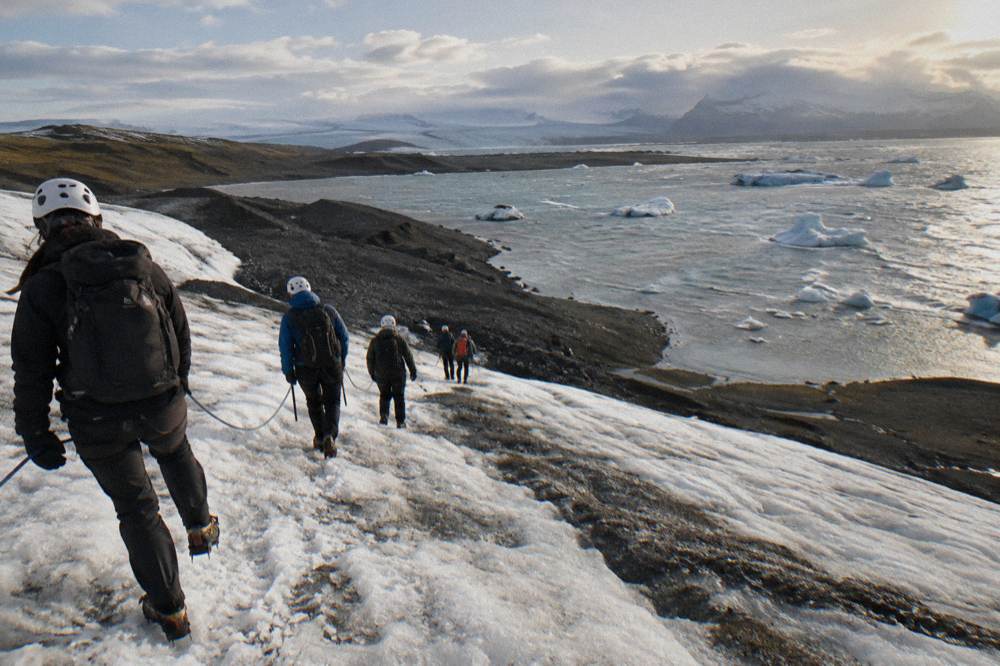
Past Vik the country opens into glacier flood plains. Skaftafell is a trailhead for glacier hikes, and several operators run hikes from the Jokulsarlon parking area too: the Skaftafell Glacier Hike, 3 hours from $96, is the lowest priced tour on the whole list, rated 4.8 across 57 reviews. The Vatnajokull guided hike, 4.5 hours from $149, is rated 4.8 across 1,081 reviews, a much larger sample. Both include crampons, helmet and safety gear and a guide.
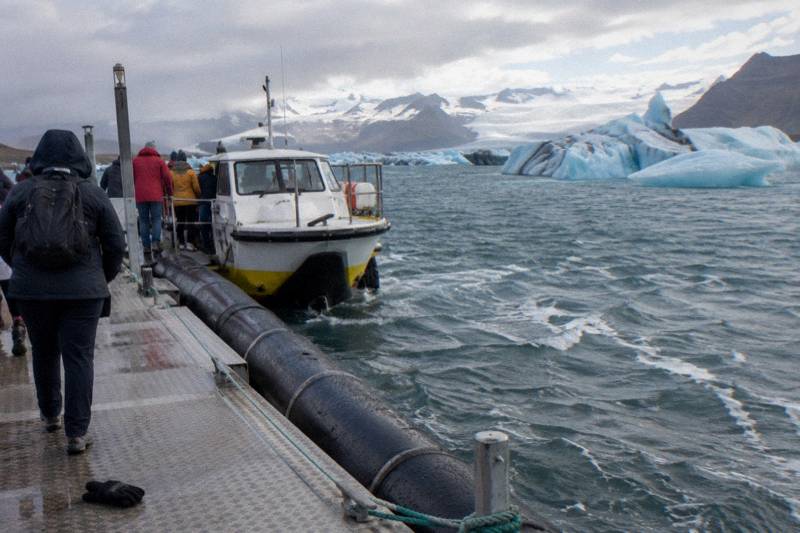
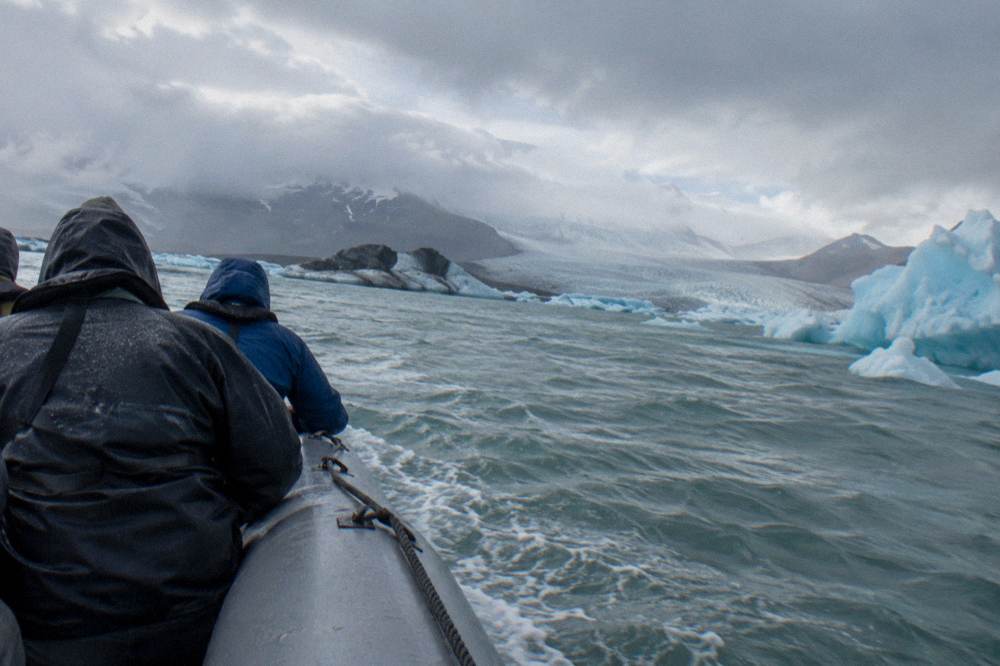
The lagoon is the finale. Icebergs calve from Breidamerkurjokull into Jokulsarlon, drift across the water and wash out under the bridge onto Diamond Beach, where they lie glowing on black sand. The lagoon operator's own amphibian boats run about 30 to 40 minutes, May to October and sometimes into November, with adult tickets at 7,100 ISK bought directly from the operator; the tours covered here either list the boat as an optional paid add-on, include it in the price, or do not mention it at all. Ice conditions change daily, and no operator guarantees icebergs on the beach.
Is One Day Enough Or Should You Stay Overnight?
One day is enough to see the highlights once, but not enough to add an ice cave or a glacier hike without sacrificing stops, because those activities start at the lagoon end of the route, about 370 km from Reykjavik. Two-day tours solve this by overnighting in the area, so the glacier and the lagoon get more time than a single dash past the viewpoint allows. For travellers whose priority is the lagoon itself, a single long day works; for travellers who want to go inside a glacier, two days is the better answer.
The two-day options show the shape of the trade. The 2-Day Small Group, Blue Ice Cave tour, rated 4.9 across 795 reviews and from $689 per person, includes breakfast and a guide, with pickup not mentioned on the booking page and the ice cave visit conditions permitting. Gear is not mentioned, so check the booking page. The 2-Day Glacier Hike, Small Group, rated 5.0 across 206 reviews and from $639, includes the glacier hike and gear, with the lagoon boat ride as an optional paid add-on. Both leave lunch and dinner to the traveller. The 2-Day Tour, Lagoon Boat Ride, from $696 and rated 4.9 across 194 reviews, includes the lagoon boat ride outright.
Why does the ice constrain the schedule? Natural ice cave season runs roughly October to April, conditions permitting, and after the August 2024 fatal collapse on Breidamerkurjokull, natural ice cave tours are not run inside the national park in summer. Stricter operator conditions since then include a lead guide and daily safety assessments of each cave. Ice cave tours from the lagoon also require you to be at the lagoon first, since those tours meet in the lagoon car parks; for pickup, check the booking page.
Accommodation near the lagoon is limited, which is another reason the overnight question matters early: where to stay near the lagoon is worth settling before you choose between a day trip and a two-day tour, and options are fewest in high season.
How Much Does A South Coast Trip Cost?
Day trips from Reykjavik that reach the lagoon run from $211 to $234 per person, and the versions with a boat ride included start at $292. Two-day small group tours run from $633 to $696, and three-day versions from $999. On top of the ticket, budget food, since no day trip includes meals, and the park's regional parking fee of 1,110 ISK for a car if you drive yourself. The per-person spread is narrower than it first looks, because the differences between the day tours are mostly pickup arrangements and boat policy, not comfort tiers.
| Tour | Duration | Price from | Rating | Lagoon boat |
|---|---|---|---|---|
| BusTravel Diamond Beach Day Trip | 14 hours | $211 per person | 4.7, 4,069 reviews | Optional paid add-on |
| 14 to 15 Hour Day Trip | 14 to 15 hours | $225 per person | 4.5, 1,460 reviews | Optional paid add-on |
| Gray Line 14.5-Hour South Coast | 14.5 hours | $234 per person | 4.5, 1,582 reviews | Not included |
| Boat Ride Included, 14 Hours | 14 hours | $292 per person | 4.7, 492 reviews | Included |
| Reykjavik Excursions Boat Tour | 14 hours 30 minutes | $328 per person | 4.7, 126 reviews | Included |
The two boat-included day trips are the simplest way to put the lagoon ride inside one day without a separate booking at the counter. Note what is not in any base price: food and drinks appear in the exclusions on the tour pages, and gratuities are excluded on several. The operator's own amphibian and zodiac prices, 7,100 ISK and 16,600 ISK for adults, are separate direct purchases, though some tours include the ride or offer it as an optional add-on at booking.
For self-drivers, the fixed costs are parking and fuel. The regional parking fee for a passenger car is 1,110 ISK, valid until midnight on the day paid with free re-entry that day, and it is collected by licence-plate photo, payable at machines in the car parks or through the Parka app. There is a 50 percent discount if you visited another fee-based Vatnajokull service area the same day. The park's price list does not state that the payment covers the Diamond Beach lots, so treat those as separate until confirmed on site.
What About Weather, Daylight And Driving Conditions?
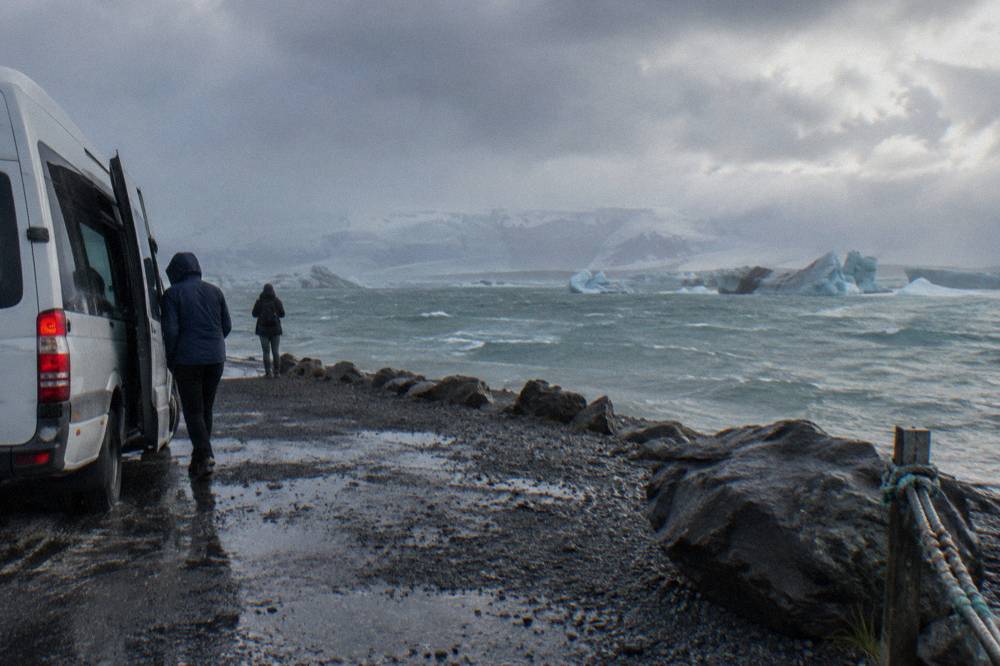
The south coast is an open, weather-exposed road where conditions change fast, and in winter the daylight window shrinks to under five hours: at Hofn, the nearest town with daylight data, daylight runs 4h21 on 1 January and 4h03 at the winter solstice, against 20h11 on 1 June. Winter driving rules require lights on at all hours, and road conditions are published at umferdin.is/en with forecasts at en.vedur.is. Tours absorb this risk for you; self-drivers own it.
Daylight is the quiet constraint on any winter day trip. The hours below are for Hofn, the nearest town with daylight data and within minutes of the lagoon for practical purposes, and they show why winter lagoon tours compress into a narrow bright window.
| Date | Daylight at Hofn | What it means for a lagoon day |
|---|---|---|
| 1 January | 4h21 | Lagoon stops in full daylight are tight |
| 1 March | 10h10 | Comfortable full-day tours resume |
| 1 May | 16h53 | Long evenings, boats running |
| 21 June | 21h14 | Sun sets at 23:39, no true midnight sun |
| 1 September | 14h34 | Full days still easy |
| 1 November | 7h58 | Short window, ice cave season under way |
Temperature is rarely the problem; wind, rain and river spray are. The nearest long-term climate station with published normals is Kirkjubaejarklaustur, about 200 km west of the lagoon, and its 1981 to 2010 averages show daily means hovering around freezing from November through March, with July the warmest at 11.6 °C and roughly 1,700 mm of precipitation spread across the year. The coast right at the lagoon differs from that station, so treat the numbers as a shape, not a forecast.
The road itself is sealed Route 1 the whole way, plowed year-round, though storms can still bring temporary closures and delays. Iceland's winter driving guidance is blunt: headlights front and rear at all hours, a rental car with winter tyres, and no assumption that four-wheel drive removes skid risk. Before any winter self-drive to the lagoon, check current road conditions and the meteorological office forecast, and keep 112 as the emergency number.
When Is The Best Time To Drive The South Coast?
May to September gives the longest daylight, running boats and the easiest driving, while October to April is ice cave season with roughly a 4 to 8 hour daylight window in the deepest months. There is no single best month; the choice is between open-water activities and ice activities, because the two seasons barely overlap. Summer visitors get amphibian boats and Zodiacs on the lagoon. Winter visitors get caves, darker skies and emptier pull-ins.
The seasonal split runs through the whole activity list. The lagoon operator's amphibian boats run May to October, sometimes into November, and the zodiacs May to October, while natural ice caves run roughly October to April, conditions permitting, with no summer ice cave tours inside the national park since the 2024 rule change. Glacier hikes here run with qualified guides, with helmets and crampons included on the tours listed here. Kayaking on the lagoon, 1.5 hours from $155 and rated 4.7 across 532 reviews, is a summer-side activity; the booking page's own details govern season and minimum age, and the lagoon operator does not recommend private boats or kayaks on the lagoon because icebergs roll.
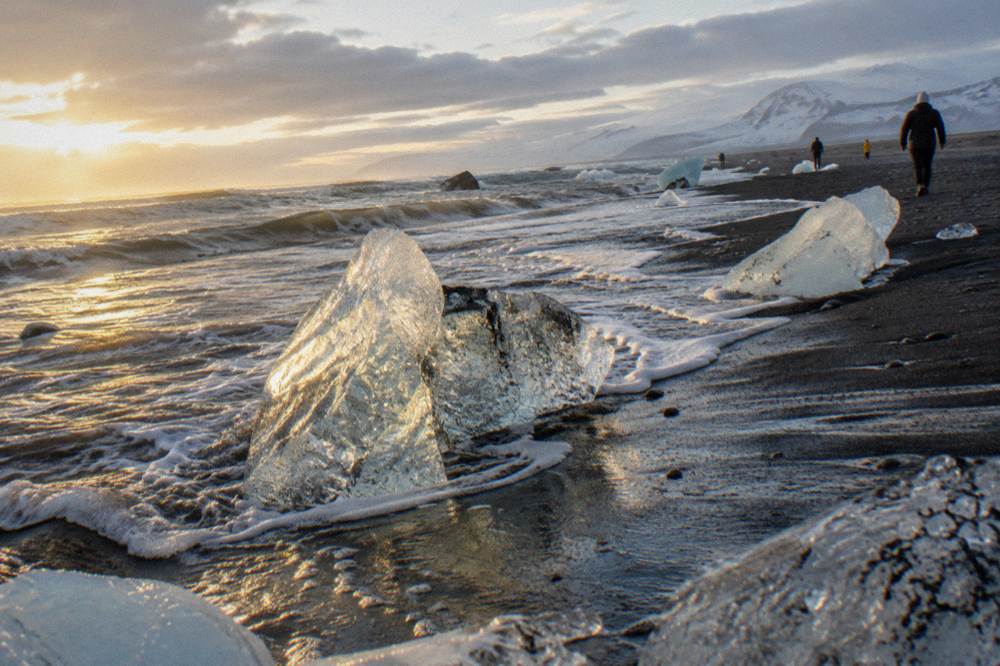
Diamond Beach itself has no reliable best month for ice on the sand; it varies with tides, wind and glacier activity, and no honest source promises it. What the beach does promise is hazard: the same sneaker-wave rules that hold on any open Atlantic black beach apply here, and the guidance worth following is to stay well back from the waterline, never between the ice and the sea.
What Are The Downsides You Should Know Before Booking?
The honest downsides are the 14-hour day, the weather risk, the short stops and the fact that the boat ride is not in most base prices: of the day trips reaching the lagoon, most list the boat as an optional add-on or exclude it, and only the premium versions from $292 include it. None of these is a reason to skip the coast, but each is a reason to pick the right product rather than the cheapest ticket.
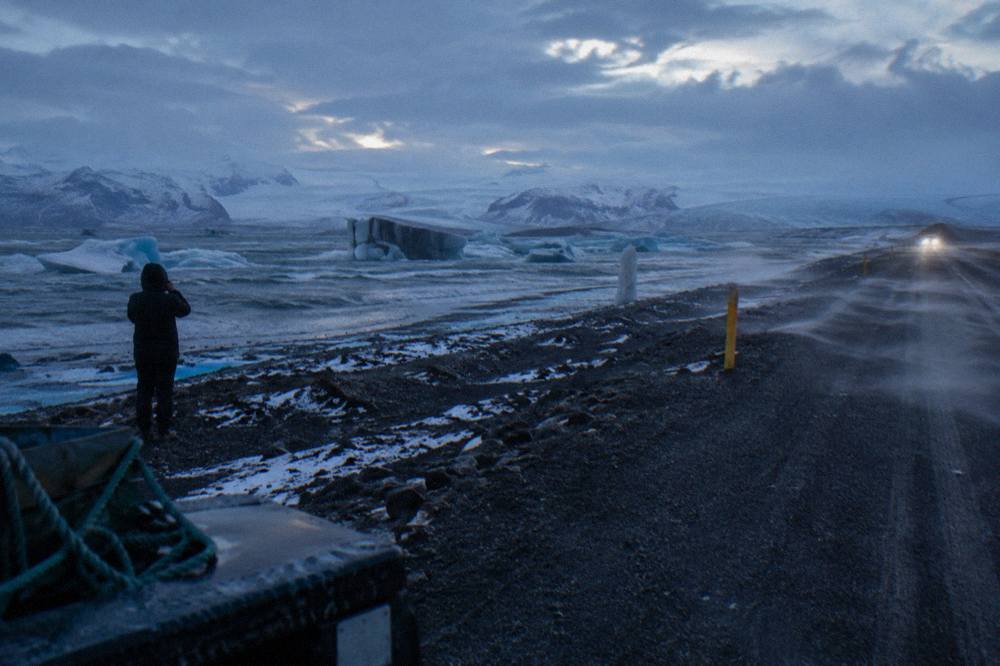
Crowding is real in July and August. The amphibian operation alone runs about 40 trips a day in high season between 1 July and 31 August, and the car park fills accordingly. The lagoon café is open year-round except 24 to 26 December and 31 December to 2 January, which helps, but the quietest experiences are either early, late in the day, or on overnight tours that hit the lagoon before the Reykjavik coaches arrive. Drones are banned at Jokulsarlon and Fellsfjara entirely from 15 April to 15 July for the birds, and restricted to set hours outside that window.
Wildlife is a bonus, never a promise. Seals are frequently seen resting on icebergs or swimming in the lagoon, and gather in numbers at the lagoon mouth in winter, and reindeer herds cross the road on the eastern side in winter. Nesting birds, including the great skua, use the sands in summer, which is part of why the drone ban exists.
For travellers who have read this far and concluded the single day is too much, the alternatives are the two-day tours above or a self-drive split, covered in detail in the self-drive versus tour comparison. For everyone else, the trio below is the shortlist.
Planning a trip like this is exactly what Jokulsarlon Glacier Lagoon Tours exists for: honest figures, real durations and the far end of the coast taken seriously.
Common Questions About The South Coast Of Iceland
Is The South Coast Of Iceland Worth It?
For most travellers, yes. The route concentrates waterfalls, black sand beaches, glaciers and an iceberg lagoon onto one road, and the lagoon end of it is unlike anything else in the country. The cost is time: tours that reach Jokulsarlon run 14 to 15 hours because the lagoon sits about 370 km from Reykjavik.
Can You Do The South Coast And Jokulsarlon In One Day?
Yes. Day trips from Reykjavik run 14 to 15 hours and cover the waterfalls, black beach and the lagoon with Diamond Beach, from $211 per person. Two tours, from $292, include the lagoon boat ride in the base price; most others offer it as an optional add-on or exclude it.
Is The South Coast Better In Summer Or Winter?
Summer, May to September, gives long daylight, running lagoon boats and easier driving, with 21 hours 14 minutes of daylight at Hofn on 21 June. Winter, October to April, is ice cave season with a much shorter daylight window. Neither season guarantees weather or ice; conditions are assessed daily.
How Much Does A South Coast Day Trip Cost?
Day trips that reach the lagoon run from $211 to $234 per person, and versions with the boat ride included start at $292. Two-day small group tours run from $633 to $696. Meals are excluded on all of them, and self-drivers pay the 1,110 ISK regional parking fee for a car.
Is The Drive To Jokulsarlon Dangerous?
It is a sealed ring road, roughly 370 km each way, and safe in good conditions. In winter it demands headlights at all hours, winter tyres and respect for storms; road closures happen without warning, so check umferdin.is/en and en.vedur.is before setting out, and call 112 in an emergency.
Is Diamond Beach Worth The Stop?
Most visitors think so, and it is only about 500 m across the road from the lagoon. Ice on the black sand varies with tides and conditions and is never guaranteed. Walk under the Route 1 bridge rather than over it, and treat the beach like any open Atlantic black beach: sneaker waves arrive without warning, so keep your distance from the waterline.