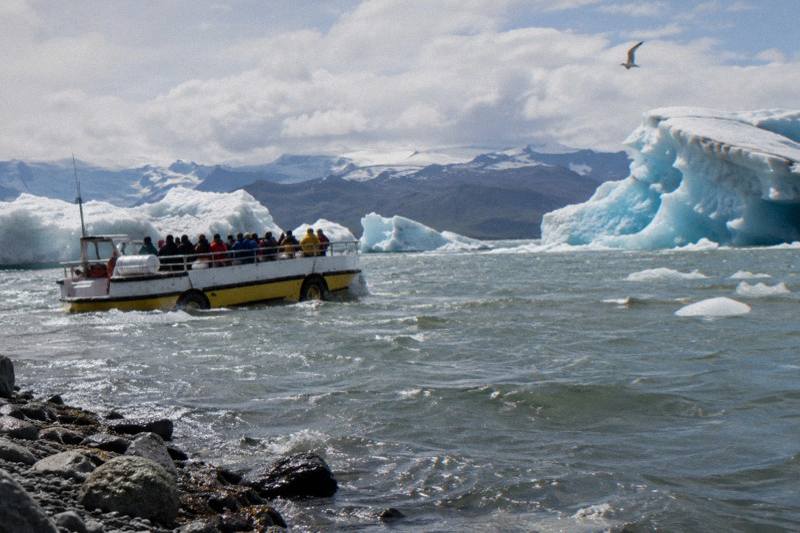
What To Wear On A Jokulsarlon Boat Tour
The boat rides at Jokulsarlon are short, exposed and colder than the car park feels, and the difference between a good trip and a miserable one is almost entirely down to clothing.
Short answer
Dress in three warm layers, add a proper waterproof shell, wear sturdy water-resistant boots, and bring a hat and gloves even in July. The zodiac supplies a flotation suit but not warmth underneath. Suits come with the zodiac ride; for the amphibian boat, plan on your own layers.
What Should You Wear On A Jokulsarlon Boat Tour?
Dress for a cold, windy, occasionally wet 40 minutes on open water next to a glacier, in any month of the season. Three warm layers under a waterproof shell, water-resistant boots with grip, a warm hat and gloves are the working minimum. The zodiac ride supplies a flotation suit over your clothes; on either boat, your own insulation still matters.
The single most common mistake visitors make is dressing for the air temperature in the car park rather than for the boat. Jokulsarlon sits at sea level directly in front of Breidamerkurjokull, an outlet glacier of Vatnajokull, and the water in the lagoon is close to freezing for most of the year. Standing still on a boat, holding a rail or a camera rather than moving to keep warm, the felt temperature drops fast, and it drops faster again on the zodiac, which travels at speed between the ice.
The second mistake is assuming the boat ride is the whole day. For most visitors it is a 30 to 40 minute amphibian trip or a 1 hour 15 minute zodiac trip, bracketed by time on the shore, a walk across the road to Diamond Beach, and, for anyone arriving from Reykjavik, about 370 km of driving each way on Route 1. Clothing that works on the water has to work standing on black sand an hour later, and work again on a cold bus three hours after that. The kit list below is therefore written for the whole day at the lagoon, not only for the minutes on board.
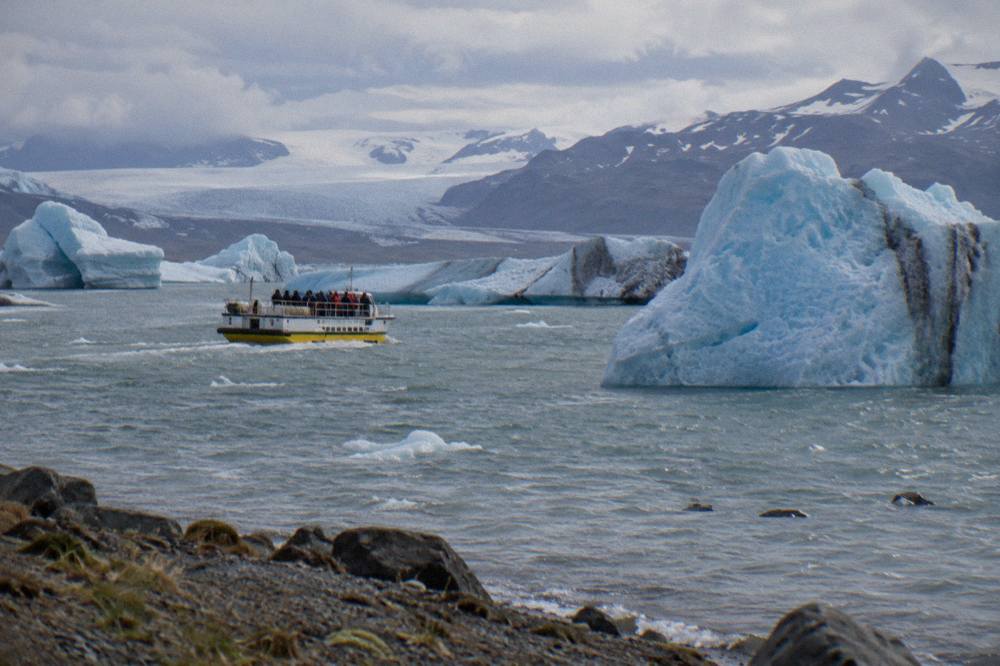
A note on the rides themselves: there is no standalone Jokulsarlon boat tour sold through booking platforms. The amphibian and zodiac rides are run by the lagoon operator directly, and on many guided day trips the boat is an optional paid add-on you select when booking or pay for on site. Only some covered tours bundle a boat ride into the base price, so it is worth reading the inclusion list of any trip you are considering before you plan your kit around it. The distinction matters for clothing because the two ride types make different demands: the zodiac ride includes a flotation suit, so count on your own layers for the amphibian.
How Cold And Wet Does The Lagoon Actually Get?
Cold on the water when the lagoon boats run, roughly May to October, and damp from spray, rain and dripping ice rather than waves. The nearest long-term weather station with published normals is Kirkjubaejarklaustur, about 200 km west of the lagoon, which averages 0.1 °C in January and 11.6 °C in July, and the breezy coast by the lagoon often feels several degrees colder than those numbers suggest.
Those normals deserve a caveat. The station is a long way west, and the coast right at the lagoon behaves differently, but it is the closest published record and a reasonable planning baseline. What it shows is that even midsummer sits in the low teens on average, with mean July highs around 15.4 °C at that station, and that rain falls on roughly half the days of the year. Total annual precipitation at the station is about 1,700 mm spread across 182 days with at least 1 mm. In plain terms: assume some rain on any given day at the lagoon, and assume the wind will find you.
| Month | Daily mean (C) | Precipitation (mm) | What it means for clothing |
|---|---|---|---|
| January | 0.1 | 157 | Full winter kit, though boats are largely out of season |
| March | 0.8 | 133 | Ice cave season, winter layers |
| May | 6.9 | 104 | Boat season begins, three layers plus shell |
| July | 11.6 | 123 | Warmest month, still bring hat and gloves |
| September | 8.1 | 158 | Windproof layer becomes essential |
| October | 4.6 | 163 | Approaching winter conditions, insulated everything |
Wetness on the boat comes in three forms. Rain is the most likely, given the rainfall record. Spray is next: the zodiac moves fast between icebergs and riders sit low, which is why the operator supplies flotation suits. The third is the ice itself, on Diamond Beach after the ride, where melting chunks sit on the sand and the surf runs closer than it looks. Waterproof trousers earn their place on any day with rain in the forecast, and on most days without it.
Wind is the factor the forecast apps undersell. The lagoon is an open stretch of water between the glacier and the sea, and wind across it strips heat from exposed skin quickly. This is why the advice below keeps coming back to a windproof outer shell rather than a thick but porous coat: a heavy knit jumper that soaks wind feels colder than a thin membrane jacket over a fleece, and it takes far more space in your bag.
Daylight matters less for clothing but more for planning: at Hofn, a town east of the lagoon whose day length is within minutes of the lagoon's own, 1 November sees only 7 hours 58 minutes of light, while 21 June sees 21 hours 14 minutes with the sun setting at 23:39 and no true midnight sun. Late-season boat riders are packing for near-winter conditions in the shoulder of the year. More on seasonal timing is in the guide to the Jokulsarlon boat tour season.
If you are still choosing how you will get to the lagoon at all, these Reykjavik day trips all include time at Jokulsarlon, and several include a lagoon boat ride or offer one as an option:
What Layers Should You Pack For The Boat Ride?
Use a three-layer system: a moisture-wicking thermal base layer against the skin, an insulating mid-layer of fleece or light wool, and a wind-and-waterproof outer shell. On the amphibian, which supplies no suit, those three layers are all you have. On the zodiac, they sit underneath a supplied flotation suit, so keep the base and mid layers fitted rather than bulky.
The base layer is where cheap clothing fails. Cotton holds sweat and rain against the skin and stops insulating, which on a glacial lagoon is a genuine problem rather than a comfort nitpick. A synthetic or merino thermal top, and ideally long bottoms too for zodiac riders, keeps the moisture moving outward. If you own only one proper piece of gear for this trip, make it this one, and make it a fabric that still works when it is damp.
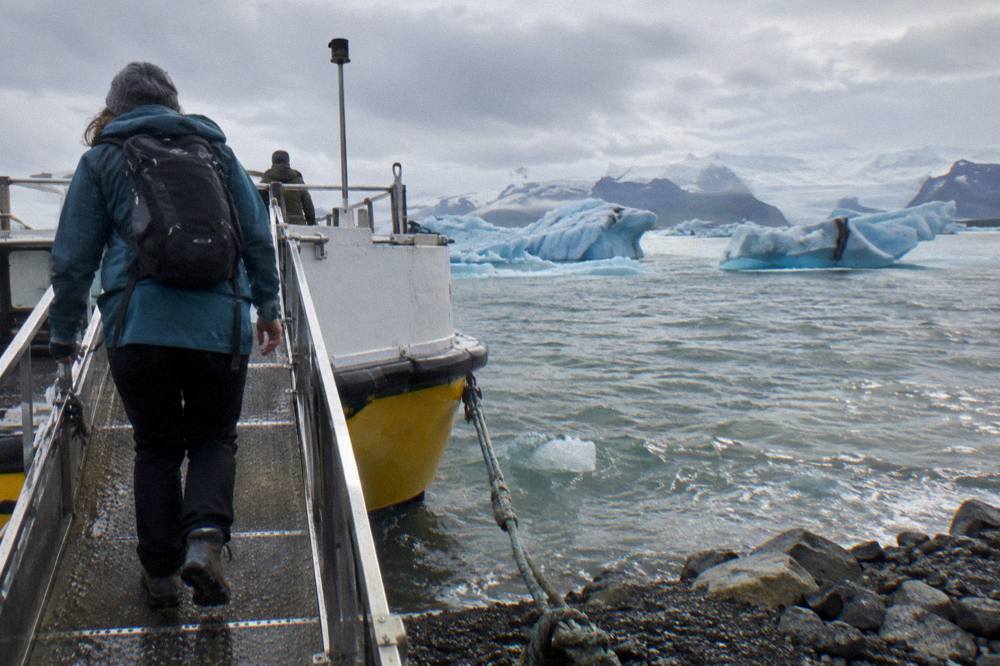
The mid-layer traps warm air. A midweight fleece or a light wool sweater is enough for summer trips; in May, late September and October, two mid-layers or one thicker insulated jacket under the shell is a safer call. The flotation suit on the zodiac is not a substitute for your own warm layers, so treat it as a shell you are given rather than a duvet. Riders who arrive in one thin hoodie under the suit are, reliably, the riders who stop taking photographs ten minutes in.
| Layer | Amphibian boat | Zodiac boat | Diamond Beach after |
|---|---|---|---|
| Base | Thermal top and bottoms | Thermal top and bottoms, fitted | Same base layers |
| Insulation | Fleece or wool, plus insulated jacket in shoulder months | One fleece under the suit | Keep everything on, wind is constant |
| Outer shell | Waterproof jacket and trousers | Supplied flotation suit over your layers | Waterproof jacket, salt spray and surf |
| Extremities | Warm hat, gloves, scarf or buff | Thin hat and gloves under or after the suit | Hat and gloves again, sand and wind |
Avoid jeans and any heavy cotton trousers. They soak through in light rain, dry slowly, and go cold fast. Walking trousers over thermals, or waterproof trousers in anything but the driest forecast, do the job better in the same luggage allowance.
One packing insight that is easy to miss: the drive from Reykjavik to the lagoon covers about 370 km on Route 1, and the Gray Line 14.5-Hour South Coast day trip lists restaurant and fuel station stops along the way, with food not included. Keep your warm layers accessible in your day bag rather than buried in a suitcase stowed in the hold, so you can dress at the lagoon instead of sweltering on the bus for five hours beforehand. The same logic applies to gloves and hats: a pocket you can reach while seated beats a bag in the luggage bay every time.
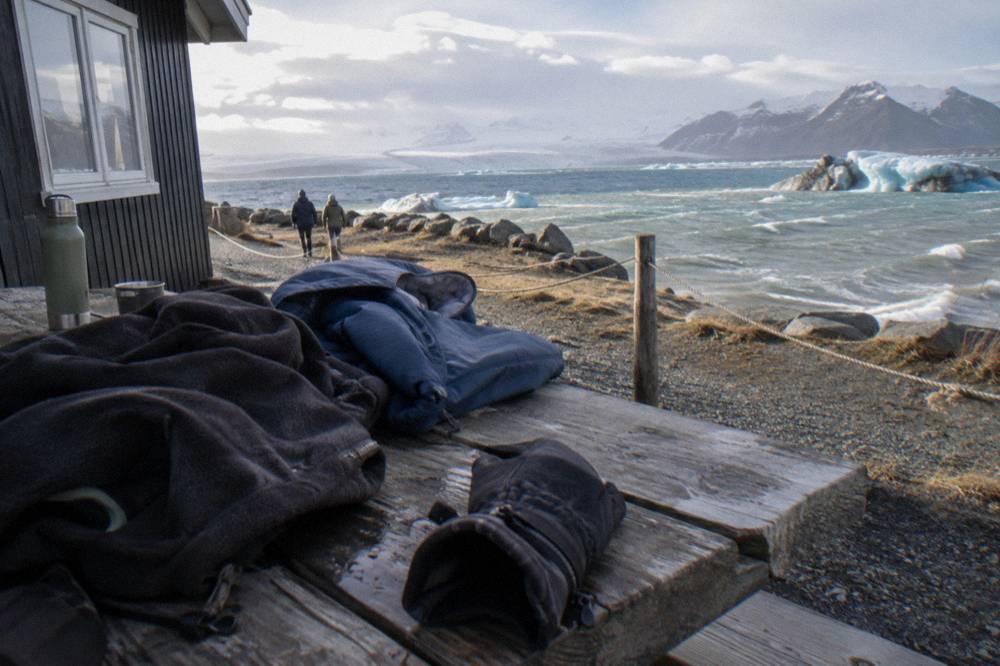
The most reviewed day trip covering this ground, at 4,069 reviews with a 4.7 rating and a from price of $211 per person, is the BusTravel Diamond Beach Day Trip, which lists the lagoon boat ride as an optional paid add-on rather than part of the base fare. That structure is common, and it shapes your clothing plan: you will spend the whole day outdoors whether or not you add the boat, so the layering advice here applies to the entire trip, not just the 40 minutes on the water. The operator's FAQ page is the source to check for what the ride itself involves before you finalize your kit list.
Do You Need Proper Boots And Gloves?
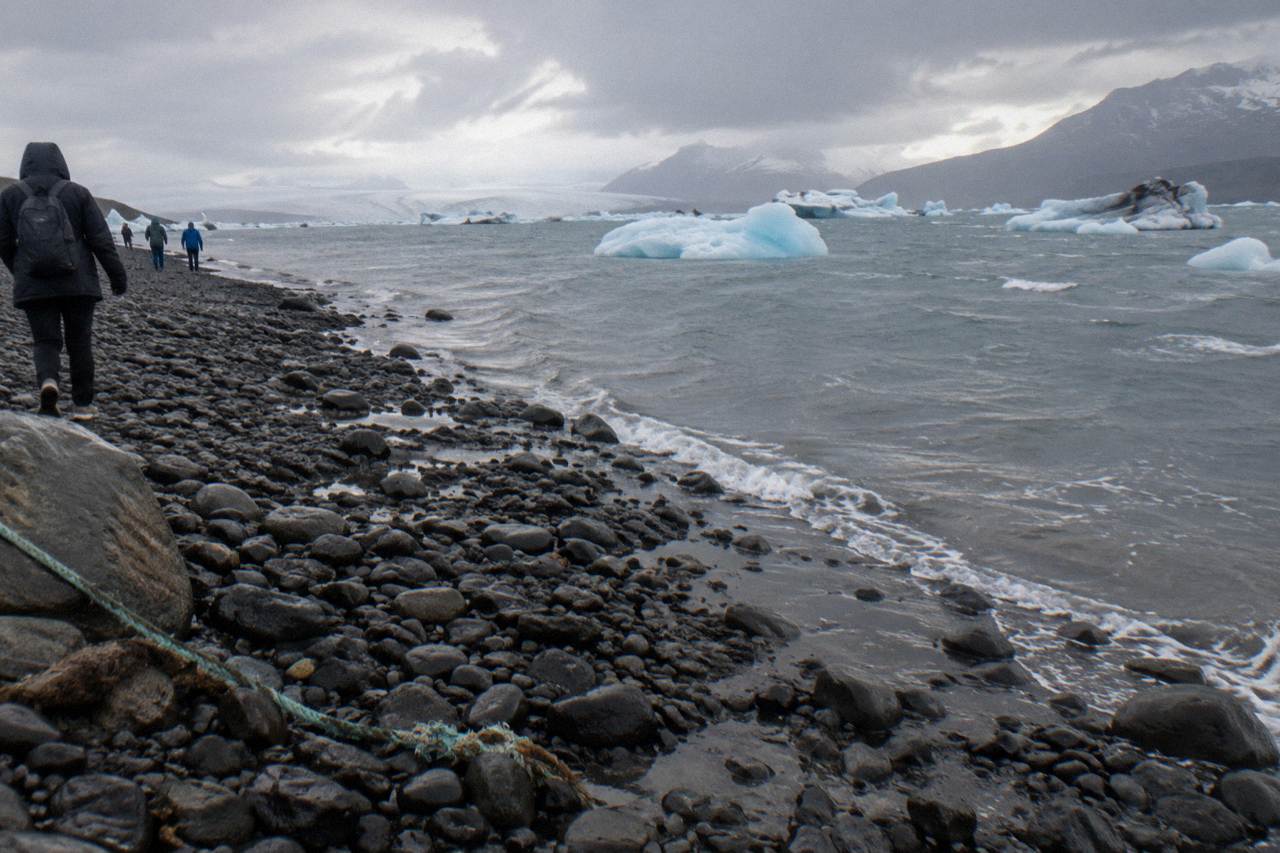
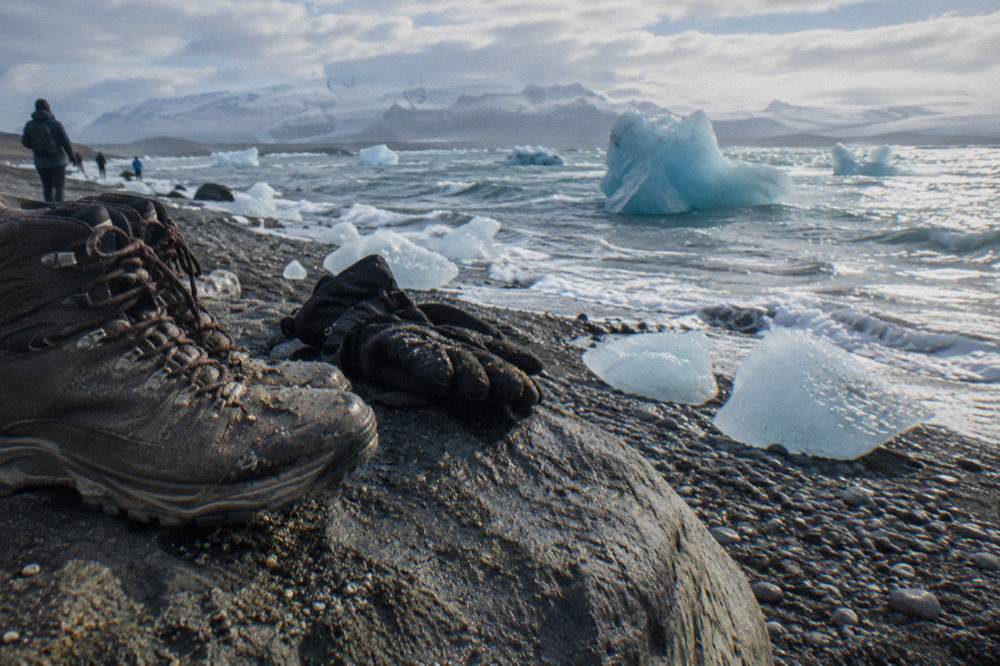
Yes to both. Water-resistant boots with a grippy sole are the single most useful footwear on the amphibian ramp, the shore and Diamond Beach, and gloves matter more than most visitors expect because hands are exposed the entire ride. Trainers fail on wet decks, wet rock and cold wind, and there is nowhere warm to retreat to at the lagoon.
The shore around the lagoon is stony and often damp. Across Route 1, Diamond Beach is black sand that shifts underfoot and gets soaked by surf, and the park guidance for reaching it is specific: walk under the bridge, not over it, following the route described on the Fellsfjara park page. None of that is terrain for smooth-soled city shoes, and none of it gets easier when the temperature drops and surfaces turn slick.
Gloves are a smaller item with an outsized payoff. On the zodiac a flotation suit is supplied, and you will still want warm gloves and a hat for the ride. A thin pair of liner gloves under a warmer pair covers every month of the season, and the liner pair alone is enough for photographing on the beach. A hat works the same way: heat loss through the head is exaggerated in folklore but real in a wind, and a hat fits in any pocket when the sun does appear. More of these guides are collected on Jokulsarlon Glacier Lagoon Tours.
| Footwear type | Wet ramp and deck | Stony lagoon shore | Diamond Beach sand | Cold standing time | Verdict for the lagoon |
|---|---|---|---|---|---|
| Trainers or canvas shoes | Poor grip, soak fast | Painful on stones | Soak through instantly | Cold feet within minutes | Leave them for Reykjavik |
| Street leather boots | Adequate grip | Adequate | Water often wins | Adequate | Passable in dry July weather |
| Waterproof hiking boots | Good grip | Comfortable | Keep feet dry | Warm with wool socks | The reliable choice all season |
| Rubber rain boots | Good grip | Comfortable | Excellent | Cold without thick socks | Workable, add wool socks |
One more footwear note for anyone considering tours with gear: several of the guided hikes around the lagoon, among them the Vatnajokull guided hiking tour at 4.5 hours and from $149 per person, explicitly exclude boots and clothing from the price, and name them as items you must bring. If you plan to combine a boat ride with a glacier activity, the boots you buy for one serve the other, so buy them for the tougher of the two, the glacier. A crampon-compatible sole, which most proper hiking boots have, removes the boot-rental question from every winter itinerary in one purchase.
What Should Children Wear On The Boat?
Children need the same three-layer and waterproof system as adults, in sizes that fit properly, plus a warm hat they will actually keep on. On the zodiac the operator sets a minimum height of 130 cm for children, and flotation suits are supplied, so fitted thermals underneath are the main parental job. On the amphibian, children 6 to 12 pay the operator's child rate and 0 to 5 ride free.
Those rates and rules are the lagoon operator's own 2026 direct prices, not the price of any tour card: the amphibian costs 7,100 ISK per adult and 3,500 ISK per child aged 6 to 12 direct with the operator, and the tour prices on this site's cards are separate fares for the day trips themselves. The two children's rules worth planning around are the 130 cm zodiac minimum and the fact that neither ride supplies insulation for kids, only flotation where it does.
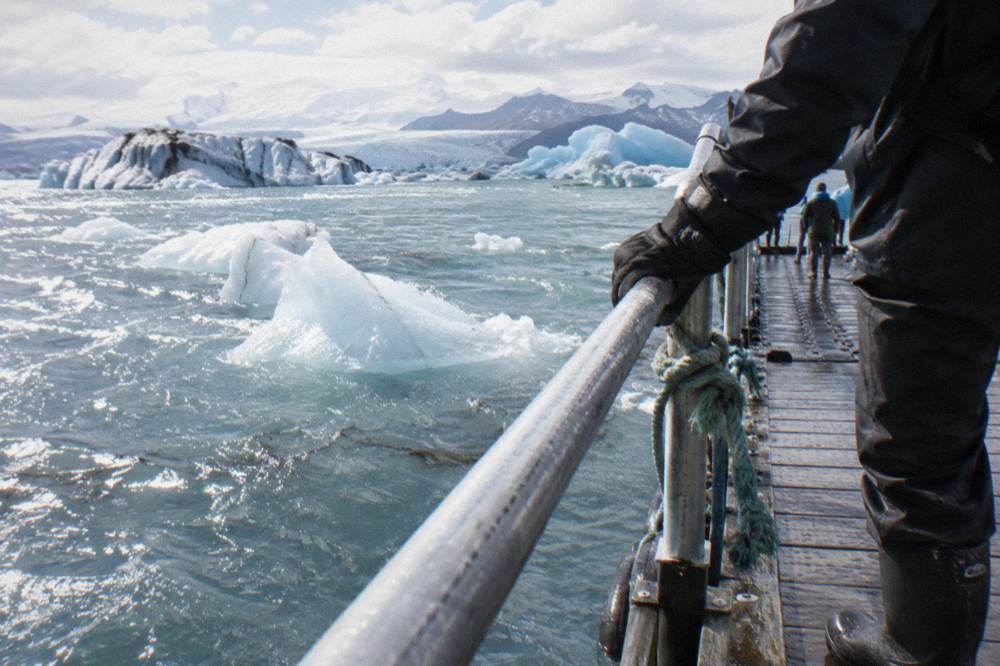
Practical notes for families: mittens stay on small hands better than gloves do, a spare base layer in the bag rescues a dunk or a heavy-spray trip, and snacks matter on the long day trips from Reykjavik. Children also feel cold faster than adults when standing still, so the temptation to shed layers on a sunny June afternoon at the cafe should be resisted until the boat is actually behind you. The lagoon cafe is open year-round except 24 to 26 December and 31 December to 2 January, per the operator, which makes it the warming stop before or after the ride rather than a substitute for dressing properly.
Age limits and other constraints are covered in more depth in the guide to the Jokulsarlon boat tour age limit, and the differences between the two ride types are compared in zodiac vs amphibian boat at Jokulsarlon.
What Should You Wear For Diamond Beach After The Ride?
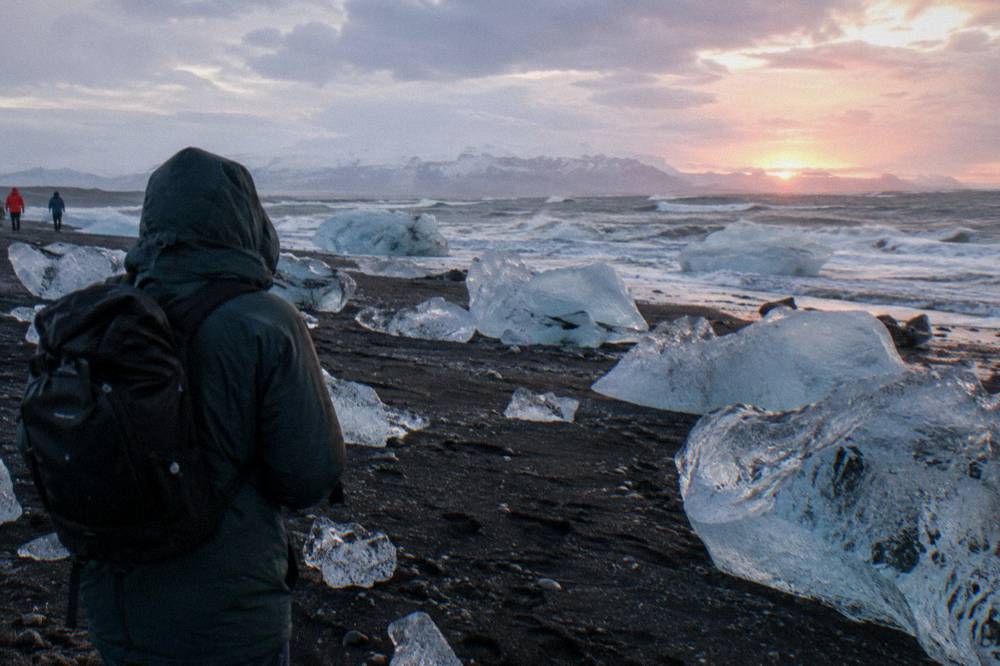
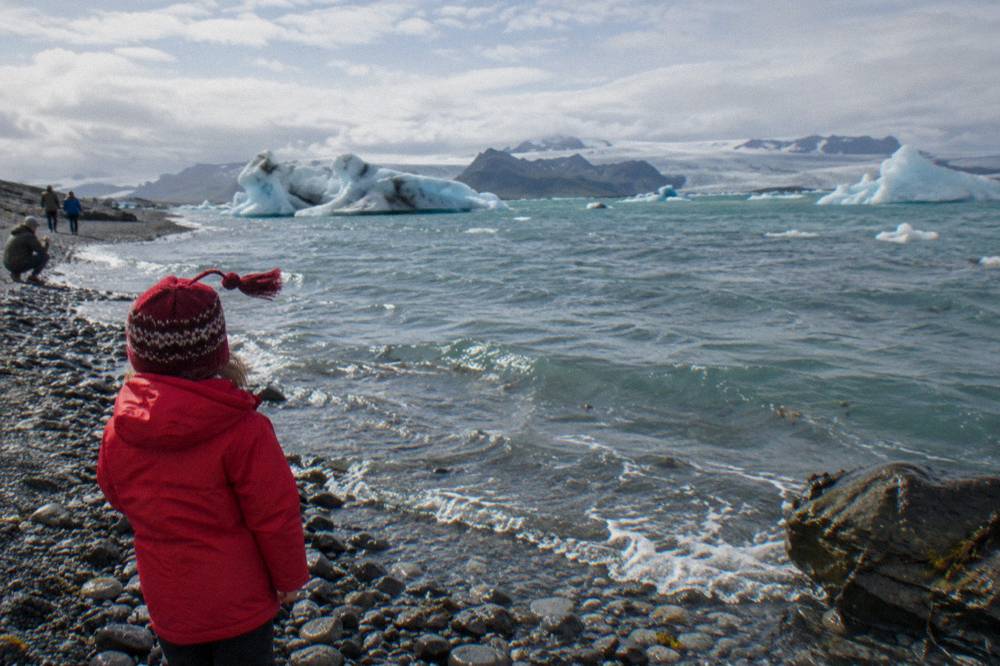
Keep everything on. Diamond Beach is about 500 m across the road from the lagoon, fully exposed to the Atlantic, and the surf there sends sneaker waves that surge far above the normal waterline, so waterproofs, boots and windproof layers stay useful for the whole stop. Do not stand between stranded ice and the sea, and stay well back from the waterline.
The sneaker-wave guidance comes from Safetravel's black-beach safety page, written for Reynisfjara and worth heeding on any open Atlantic black-sand beach: stay well back from the waterline at all times. Before your trip, check the conditions page on Safetravel's black beach guide, and in winter check road and weather at Safetravel's umferdin.is and at en.vedur.is, which the park itself recommends.
Clothing-wise the beach is the boat stop without the boat: the same shell, the same boots, the same hat. Two additions earn their keep. First, sand gets everywhere, and damp black sand holds cold surprisingly well, so a pair of spare socks in the bag is a small kindness to your future self on the long drive back. Second, sunglasses genuinely matter here, because low sun on wet black sand and white ice is glare-heavy in every season, and it is glare from below as much as above.
The photography angle changes clothing choices too. Bright, solid-coloured jackets read dramatically against black sand and blue ice, which is why so many Diamond Beach photographs feature a red or yellow coat. That is a taste call, not a safety one, but if the picture matters to you, choose the shell colour before you travel rather than at the lagoon. The beach is also where gloves come back out: ice chunks are freezing to the touch, and everyone, child or adult, eventually wants to crouch beside one for a photograph.
If a full south coast day with the lagoon and the beach appeals, one option bundles more into the fare: a 14-hour trip at from $292 per person includes the lagoon boat ride in the base price rather than as an add-on, rated 4.7 across 492 reviews. Another, the Reykjavik Excursions boat tour option at 14 hours 30 minutes and from $328 per person, also includes the boat, rated 4.7 across 126 reviews. Including the ride in the fare changes nothing about what to wear, but it does mean one less on-site transaction on a cold day, though the boat ride lasts 30 minutes and the type of vessel is not always named.
Does The Season Change What You Wear?
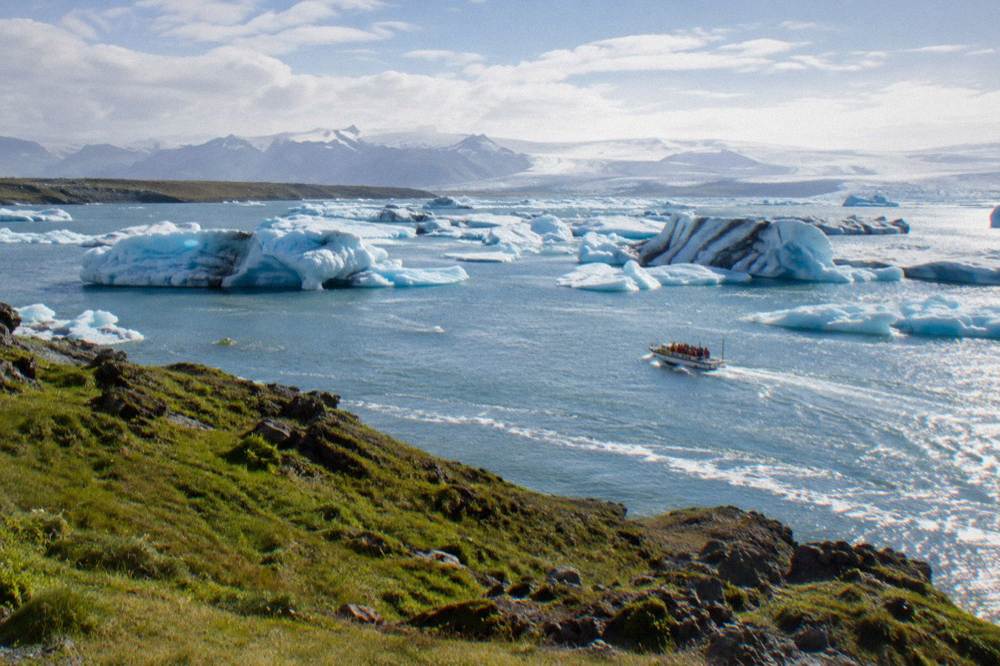
Yes, sharply. May and June can feel almost mild at midday but still demand the full layering system, July is the warmest month at an 11.6 °C average daily mean, while September and October drop back toward 4 to 8 °C with heavier rain, and the amphibian season runs May to October, sometimes into November. Pack for the month's floor, not its ceiling, because the boat ride is the coldest hour of your day.
The boat season timing comes from the lagoon operator: the amphibian runs May to October with some pages extending into November, and the zodiac runs May to October. Ice conditions on the lagoon change daily with glacier activity, weather, tides and currents, and no iceberg sighting or ice-free crossing is ever a given, a point the operator makes plainly on its own FAQ. The clothing consequence of that variability is simple: the day you ride may be calmer or rougher than the forecast suggested, and layers you can remove are worth more than a single garment chosen for one predicted temperature.
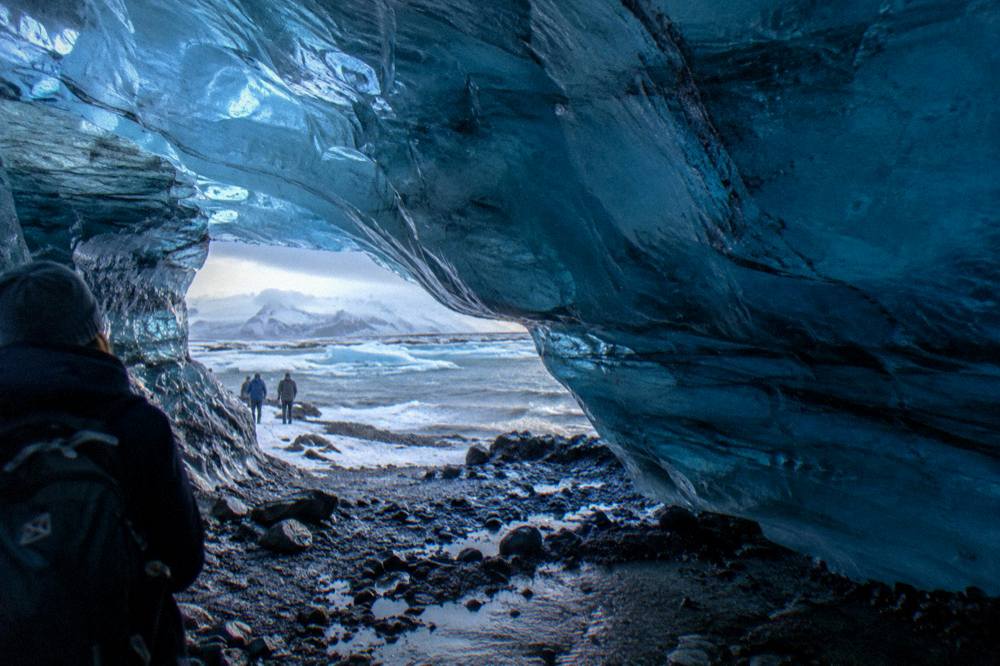
Winter visitors are usually here for the ice caves rather than the boats, roughly October to April, conditions permitting, per the operator FAQ. The clothing logic transfers directly: the same base, insulation and shell system, plus the crampons, helmet and safety gear that the covered ice cave tours state are included in their fares. What changes in winter is the driving, with limited daylight, mandatory lights day and night, and a rental car that must be suitable for winter conditions, per Safetravel's winter driving advice. The practical clothing consequence is simple: keep the warm kit on for fuel and cafe stops, because stepping out of a warm vehicle at the lagoon on 1 January, with just 4 hours 21 minutes of daylight at Hofn, is a full-winter experience.
A two-day option changes the clothing question less than you would think, since luggage rides the same vehicle. The 2-Day Tour, Lagoon Boat Ride, from $696 per person and rated 4.9 across 194 reviews, includes the boat ride, a glacier hike, one night's stay and one breakfast, but lists lunch and dinner as your own purchases and rents boots at 3,000 ISK if you arrive without proper footwear. That rental line is the whole argument of this article compressed into one price: bring the boots and the rental disappears, bring the layers and the cold never gets a vote.
Common Questions About What To Wear On A Jokulsarlon Boat Tour
What Should You Wear On A Jokulsarlon Boat Tour?
Three warm layers, a waterproof and windproof shell, water-resistant boots with grip, a warm hat and gloves. On the zodiac, fitted thermals under the supplied flotation suit. On the amphibian, your own layers do all the insulating.
Do They Provide Suits For The Boat Ride?
The zodiac ride supplies flotation suits to all riders. Suits, where provided, are supplied on the zodiac boats, so bring your own waterproof shell regardless of month.
Are Sneakers Acceptable On The Lagoon Boats?
They are a poor choice. The lagoon shore and Diamond Beach are wet and uneven, and waterproof boots with grip handle both plus the sand across the road.
Do You Need Waterproof Trousers?
In anything but a dry summer forecast, yes. Rain falls on roughly half the days of the year at the nearest published weather station, and spray on the zodiac plus surf on the beach both find their way to ordinary trousers.
What Should Children Wear On The Boats?
The same layering system as adults in correct sizes, mittens rather than gloves for small hands, and a hat. The zodiac requires children to be at least 130 cm tall. No insulation is provided for children on either ride.
Does The Time Of Year Change The Clothing List?
It changes the thickness, not the structure. July averages 11.6 °C daily mean at the nearest station, May and September are cooler and wetter, and October rides feel like winter. Keep the three-layer system in every month of the season.
Before you finalise your kit, it is worth confirming which ride your day trip actually offers, since that single detail decides whether you are dressing under a supplied suit or carrying all your own insulation. Guided day trips from Reykjavik are the most practical way to reach the lagoon with time for both the shore and a boat add-on.