When Do Jokulsarlon Boat Tours Run?
The amphibian boats at Jokulsarlon run May to October, sometimes into November, and the zodiacs run May to October. Those months decide everything about a trip built around the lagoon.
Short answer
"Boat rides at Jokulsarlon run from May to October, and the amphibians sometimes continue into November when ice allows. The main lagoon operator lists no winter boat tours. Zodiacs need a 30 minute check-in, and children must be at least 130 cm. Some day trips from Reykjavik sell the boat as an optional add-on, while two include it in the price.
Boats on Jökulsárlón are a summer and autumn product. The lagoon operator's amphibian vessels run roughly May to October, sometimes stretching into November when ice conditions cooperate, and the zodiacs hold to a May to October season with a 30 minute check-in before each departure. Outside those months the water is left to the icebergs and the seals, and the winter visitor's attention shifts to the ice caves under Vatnajokull. This guide lays out the season month by month, explains how the Reykjavik day trips handle the boat add-on, and names the honest alternatives when the boats are ashore. Weather drives much of that schedule, so the month-by-month Jokulsarlon weather guide is a smart companion when picking travel dates.
A point worth settling early: no standalone Jokulsarlon boat tour is sold through the booking platforms this site covers. The amphibian and zodiac rides are sold directly by the lagoon operator, often as an on-site extra. Among the covered tours, some include a boat ride, some list it as an optional paid add-on selected at booking, and some say nothing about it at all. The sections below keep those three cases straight. The same direct-sale setup applies at neighboring Fjallsarlon, and the guide to Fjallsarlon boat tours covers how to get on the water there and which Jokulsarlon day trips include a boat ride.
When Is The Jokulsarlon Boat Tour Season?
The Jokulsarlon boat tour season runs May to October, with the amphibian boats sometimes continuing into November. The operator's own pages state the season slightly differently in different places, one saying May to November and the FAQ saying early May through October, so treat May to October as the safe planning window and November as a bonus if ice allows.
The conflict between the operator's pages is real and worth understanding rather than papering over. Ice conditions on the lagoon change daily, depending on glacier activity, weather, tides and ocean currents, and the operator adjusts accordingly. In a mild autumn the amphibians can keep working into the first days of November. There is no published date of a first or last trip in any given year, and promises of one would be dishonest.
The practical consequence for a traveller is simple. A trip planned between late May and late September sits comfortably inside both boat seasons. Early May and October are shoulder-edge months where the boats usually run but where a cancellation or an early stoppage is a genuine possibility. From November through April, plan around ice caves and glacier hikes instead of the water.
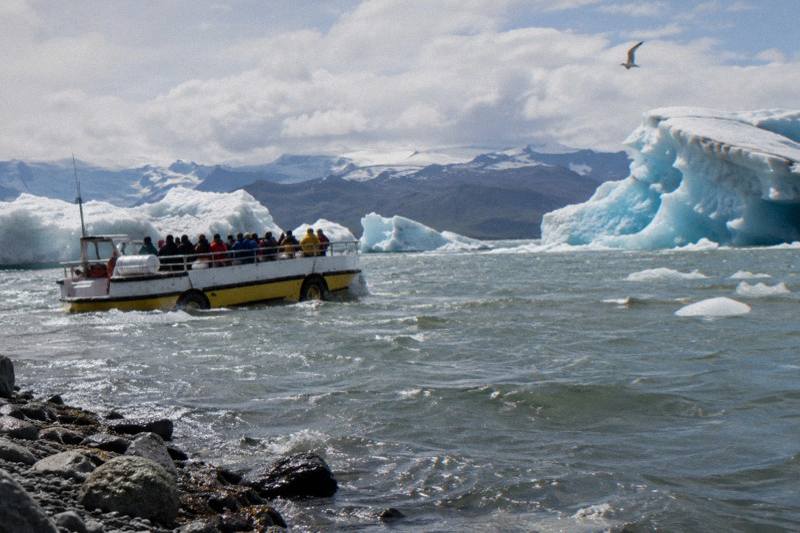
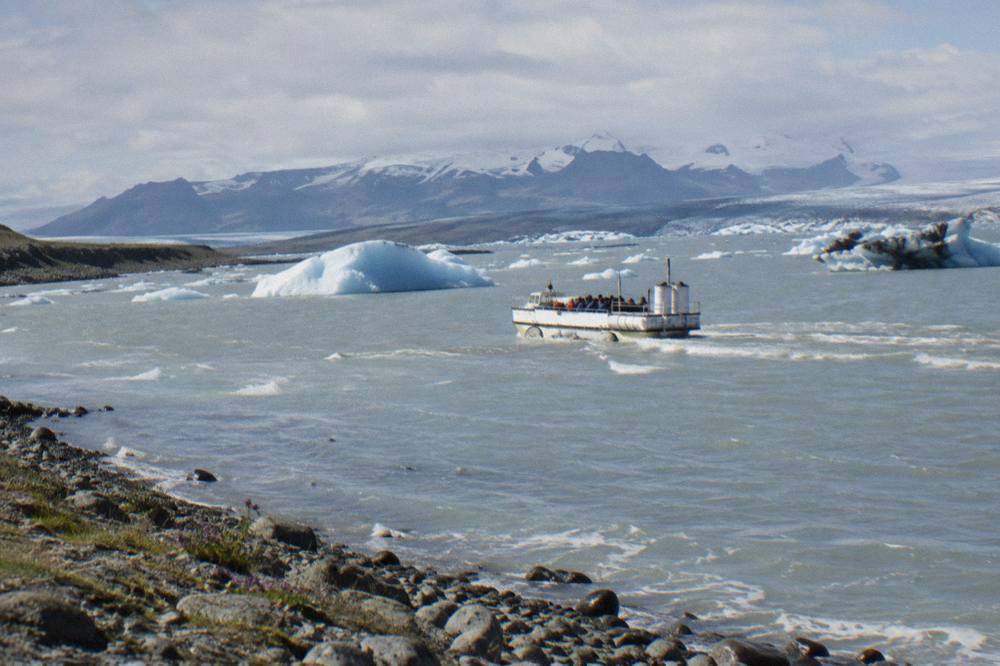
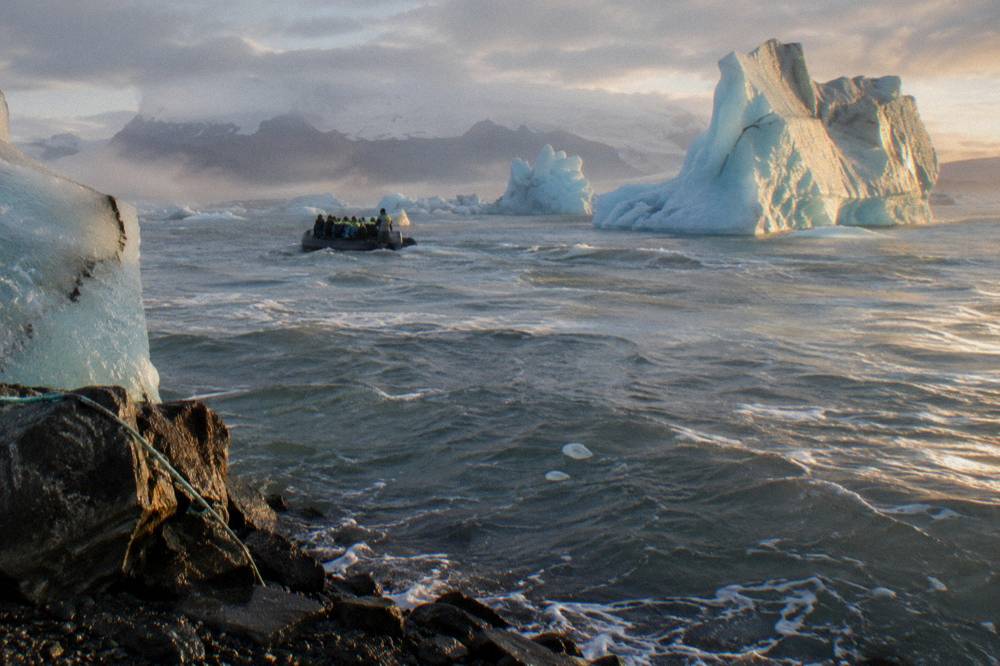
The two boat types also differ in shape. The amphibian ride lasts 30 to 40 minutes on a wheeled vessel that drives into the water, and the operator's four amphibians together run about 40 departures a day at the height of the season, 1 July to 31 August. The zodiac ride lasts about 1 hour 15 minutes in an inflatable boat, needs everyone suited up in supplied flotation suits, requires children to be at least 130 cm tall, and runs on a fixed schedule with check-in 30 minutes before departure. More detail on both sits in the guides to the zodiac boat tour at Jokulsarlon and the amphibian boat experience.
What Months Can You Ride The Amphibian Boat At Jokulsarlon?
The amphibian boat runs from May to October, and in some years into November, for a ride of 30 to 40 minutes. High season is 1 July to 31 August with about 40 departures a day across four vessels, and the last trip of each day leaves about an hour before closing. No first or last departure date is published in advance.
The amphibian is the volume product: the vessel carries a full deck, the ride is short, and the operator's direct 2026 prices are 7,100 ISK for an adult and 3,500 ISK for a child aged 6 to 12, with children under 6 free. Those are the operator's own prices for the boat alone, not the price of any day trip, and they should be checked on the operator's page when planning. Groups of 12 or more pay 6,800 ISK per person on the operator's 2026 list.
Booking behaviour changes across the season. The amphibians run frequently through the summer months, and departures thin toward the shoulders of the season in May, early June, late September and October; check the booking page for availability on your dates. Anyone travelling in those edge months who wants a specific departure is better off arranging the boat in advance. Booking ahead of a specific departure matters even more for families, since the height and age rules differ between the zodiacs and the amphibians, and the guide to Jokulsarlon boat tour age limits for kids spells out exactly what each boat requires.
| Month | Amphibian status | Notes for planning |
|---|---|---|
| May | Usually running from early in the month | Shoulder season, fewer departures |
| June | Running | Demand builds toward solstice |
| July | Running, about 40 trips a day | Peak season, busiest at midday |
| August | Running, about 40 trips a day | Peak continues to 31 August |
| September | Running | Departures thin after peak |
| October | Usually running to the end of the month | Ice begins to affect scheduling |
| November | Sometimes, ice permitting | Not a planning assumption |
Weather cancellations are handled by the operator directly: a full refund applies at 24 hours or more before departure, 50 percent from 23 hours down to 2 hours before, and a weather cancellation brings a rebooking or a full refund. Those are the operator's own terms, distinct from the free cancellation up to 24 hours before that the day trips carry. A reader comparing the two ride types will find the full breakdown in zodiac versus amphibian at Jokulsarlon.
When Does The Zodiac Season Start And End?
The zodiac season at Jokulsarlon runs May to October, matching the amphibian window, on a fixed schedule with check-in 30 minutes before departure. The ride lasts about 1 hour 15 minutes, flotation suits are supplied, and children must be at least 130 cm tall. The operator's 2026 direct price is 16,600 ISK for an adult.
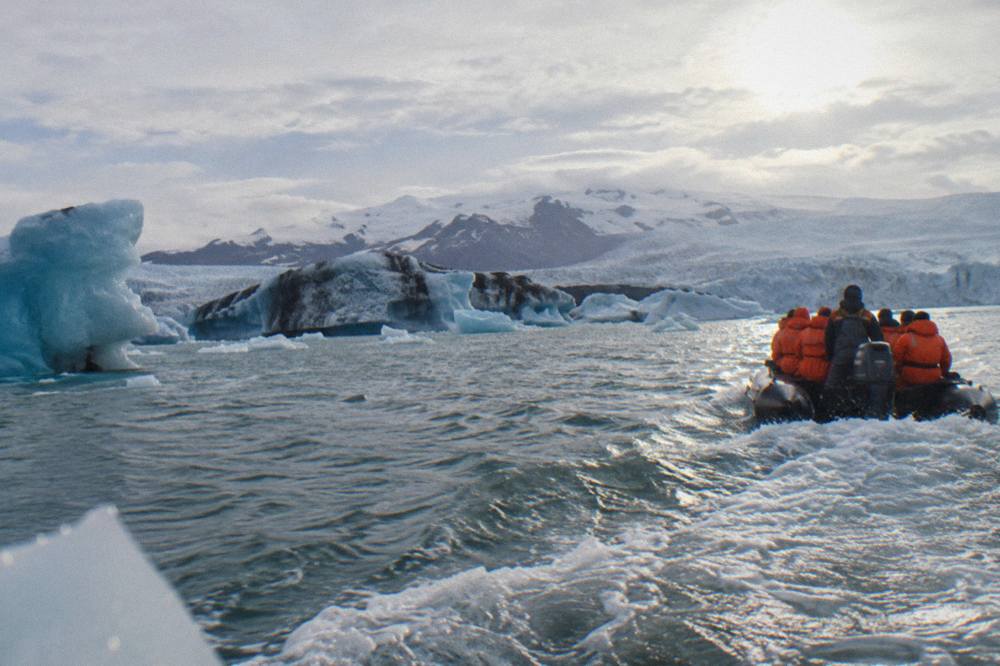
The zodiac is the more committed experience: a smaller boat, a faster circuit, more time on the water, and a height limit that rules out small children. The fixed schedule matters for planning. The amphibians churn out departures all day in high season, but the zodiacs run to named times, about ten a day at the peak, and a late arrival at the lagoon can mean the day's remaining slots are gone. Check-in closes 30 minutes before departure, and the supplied flotation suits take a few minutes to get into. Travelling with kids adds another layer of planning, and the age and height rules for children on Jokulsarlon boat tours explains which departures families can realistically book.
Conditions are assessed on the day, and the operator's refund terms cover weather stops.
For most readers the season question is really a day trip question. The most reviewed tour covered here is the Reykjavik day trip to the lagoon and Diamond Beach, 14 hours, rated 4.7 across 4,069 reviews, from $211 per person, and it lists the boat ride as an optional paid add-on rather than part of the base price. Two other Reykjavik options frame the choice:
The Gray Line 14.5-hour south coast option, from $234 per person and rated 4.5 across 1,582 reviews, excludes the lagoon boat tour outright, naming it in its not-included list. The 14 to 15 hour day trip, from $225 per person and rated 4.5 across 1,460 reviews, matches the most reviewed option by treating the boat as an optional paid add-on. None of these prices includes the boat, and none of them should be read as a boat ticket.
Can You Take A Boat Tour At Jokulsarlon In Winter?
No winter boat tours are listed by the main lagoon operator once the season ends, so from roughly November through April there is no boat ride to book on Jokulsárlón. The winter draw at the lagoon is the ice cave season, roughly October to April, conditions permitting, reached by super jeep and guide from the main car park.
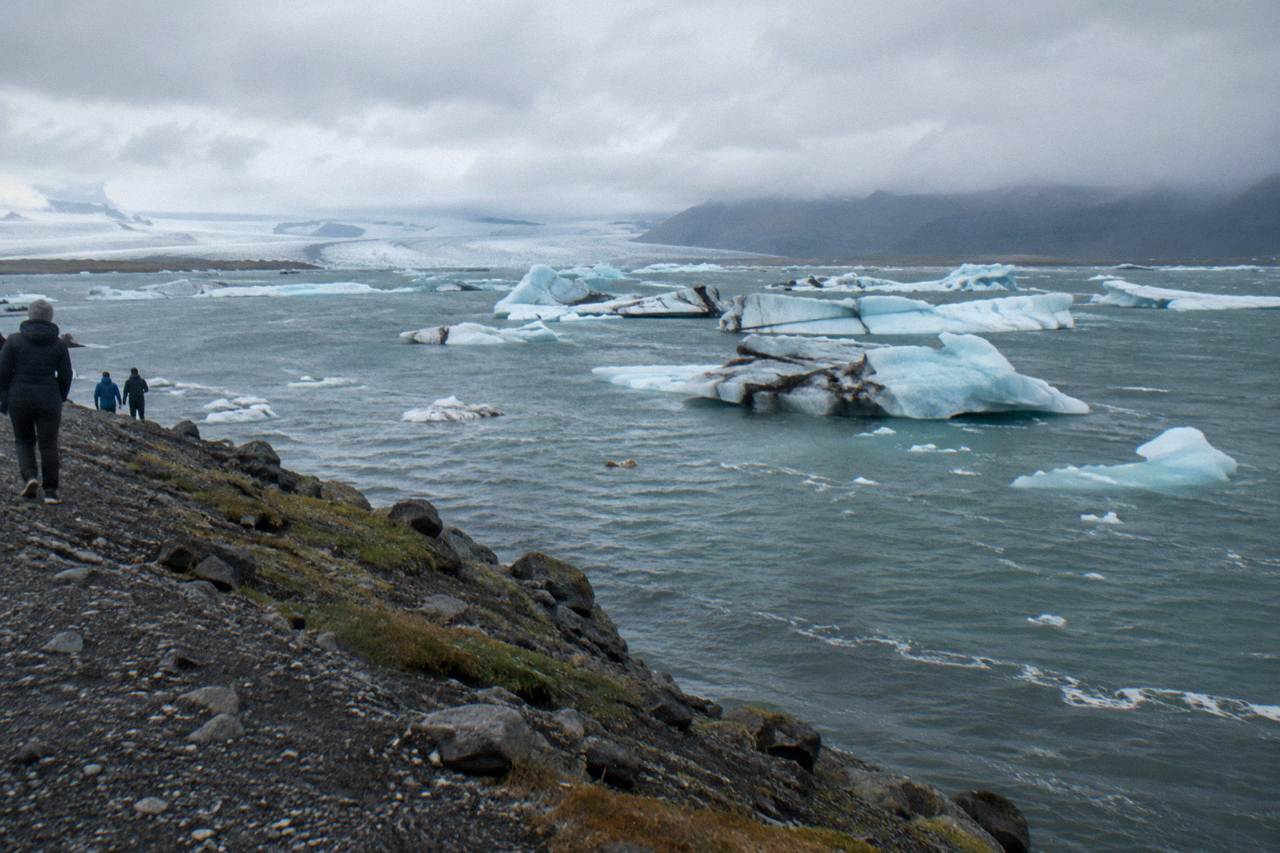
Winter does not close the lagoon itself. Jökulsárlón remains accessible year-round, the park's rangers supervise the area every day of the year, the cafe stays open through winter apart from 24 to 26 December and 31 December to 2 January, and the seals gather in large numbers at the lagoon mouth in winter to feed. What closes is the water: the operator lists no departures after the season ends, and the lagoon in cold months fills with drifting ice that makes small-boat circuits impractical anyway.
The ice cave calendar runs almost exactly inverse to the boat calendar. The natural cave season runs roughly October to April, with cave-specific dates varying, and several ice cave tours state that entry depends on conditions on the day. Since the August 2024 fatal collapse on Breidamerkurjokull, natural ice cave tours have been banned inside the national park during summer, under stricter operator conditions including a lead guide and a daily safety assessment of each cave, a summer position RUV reported on.
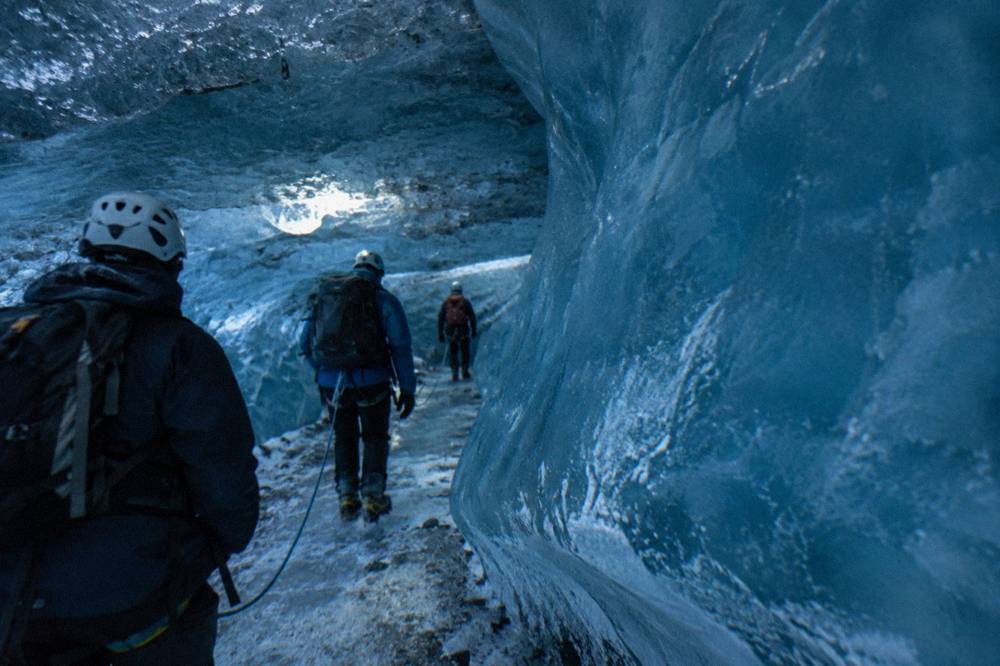
For a winter visitor standing at the lagoon, the strongest alternative is a small-group ice cave tour that starts from the Jokulsarlon car park: 2 hours 30 minutes, rated 4.8 across 298 reviews, from $194 per person, with crampons, helmet and safety gear included and no pickup, so travellers drive themselves the roughly 370 km from Reykjavik on Route 1.
How Does The Boat Season Affect Day Trips From Reykjavik?
Day trips from Reykjavik run year-round, but only some of them interact with the boat season: the most reviewed option and the 14 to 15 hour trip list the boat as an optional paid add-on, the Gray Line trip excludes it, and one 14-hour trip at from $292 per person includes the ride. The trips themselves do not stop when the boats do, only the add-on does.
This distinction causes more confused bookings than anything else at the lagoon. A reader who books a Reykjavik day trip in February will still stand at the shore and still walk Diamond Beach, but the optional boat add-on is simply not offered, because the operator has no boats in the water. The same reader in July can add the ride at booking and pay the add-on price on top of the day trip fare. Nothing about the bus schedule changes between the two dates.
| Tour | Duration | Price from | Rating and reviews | Boat ride |
|---|---|---|---|---|
| BusTravel Diamond Beach Day Trip | 14 hours | $211 per person | 4.7 across 4,069 reviews | Optional paid add-on |
| Gray Line 14.5-Hour South Coast | 14.5 hours | $234 per person | 4.5 across 1,582 reviews | Excluded, listed as not included |
| 14 to 15 Hour Day Trip | 14 to 15 hours | $225 per person | 4.5 across 1,460 reviews | Optional paid add-on |
| Boat Ride Included, 14 Hours | 14 hours | $292 per person | 4.7 across 492 reviews | Included |
| Reykjavik Excursions Boat Tour | 14 hours 30 minutes | $328 per person | 4.7 across 126 reviews | Included |
The two included-boat trips deserve a close look from a seasonal reader. The 14-hour trip at from $292 per person bundles the boat into the fare, which removes the add-on decision entirely, and the 14 hour 30 minute option at from $328 per person does the same. Both are rated 4.7, across 492 and 126 reviews respectively. Their value swings with the season: inside the boat months the bundle is convenient, outside them a reader should check directly with the operator how the fare is handled, since the boats themselves do not run.
All five trips in the table start from Reykjavik, carry a guide, and allow free cancellation up to 24 hours before departure. Food and drinks are not included on any of them, and the meeting points differ: hotel pickup on the most reviewed option depending on the option selected, the BSÍ Bus Terminal for the Gray Line trip, and a fixed Reykjavik address for the bundled-boat 14-hour trip. The full route and stop detail sits in the guide to the Jokulsarlon tour from Reykjavik.
What Weather And Ice Conditions Shape The Season?
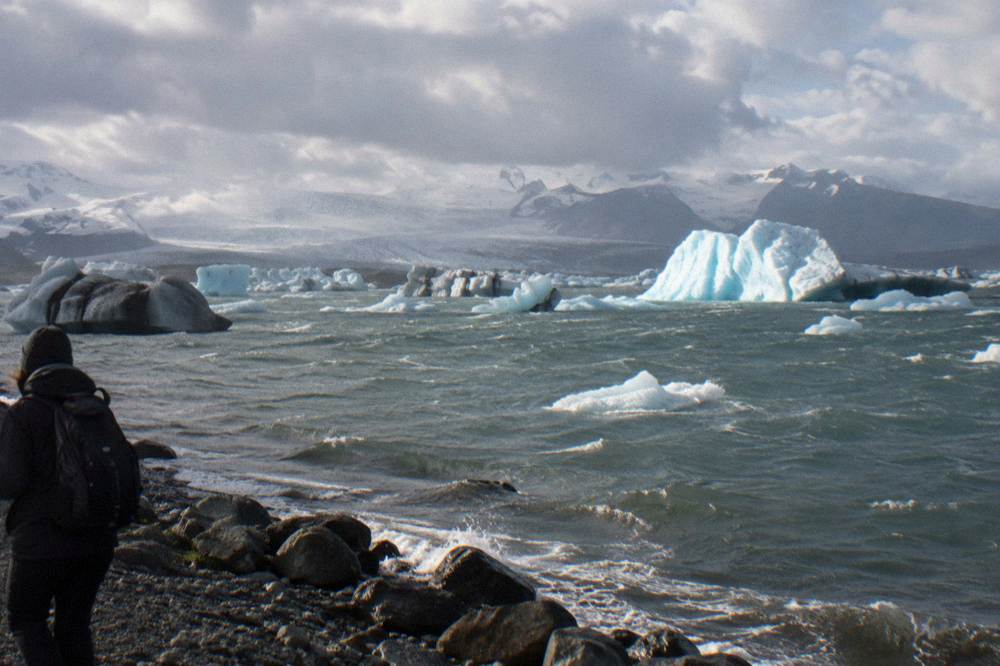
Ice conditions on the lagoon change daily with glacier activity, weather, tides and ocean currents, and the operator states plainly that icebergs are never guaranteed. Daylight, temperature and the state of Route 1 all press on the same months: the boats need open water and usable light, and winter supplies neither reliably.
The daily variability is the honest core of the season. The lagoon drains to the sea, salt water enters at high tide, and the ice that calves from Breidamerkurjokull drifts with wind and current. A calm September week can leave the embarkation area clear and the amphibians busy, while ice conditions change from day to day, so a booking late in the season carries the same hedge as an early one.
Temperature gives the season its shape. The nearest long-term station with published normals is Kirkjubaejarklaustur, about 200 km west of the lagoon, and the coast right at the lagoon differs from it, so the numbers are a rough guide only. At that station the 1981 to 2010 daily means run from 11.6 °C in July down to around zero from December through February, with precipitation in every month, from 104 mm in May to 177 mm in December. Autumn on the lagoon is cold but rarely deeply frozen, and the amphibians sometimes keep working into November.
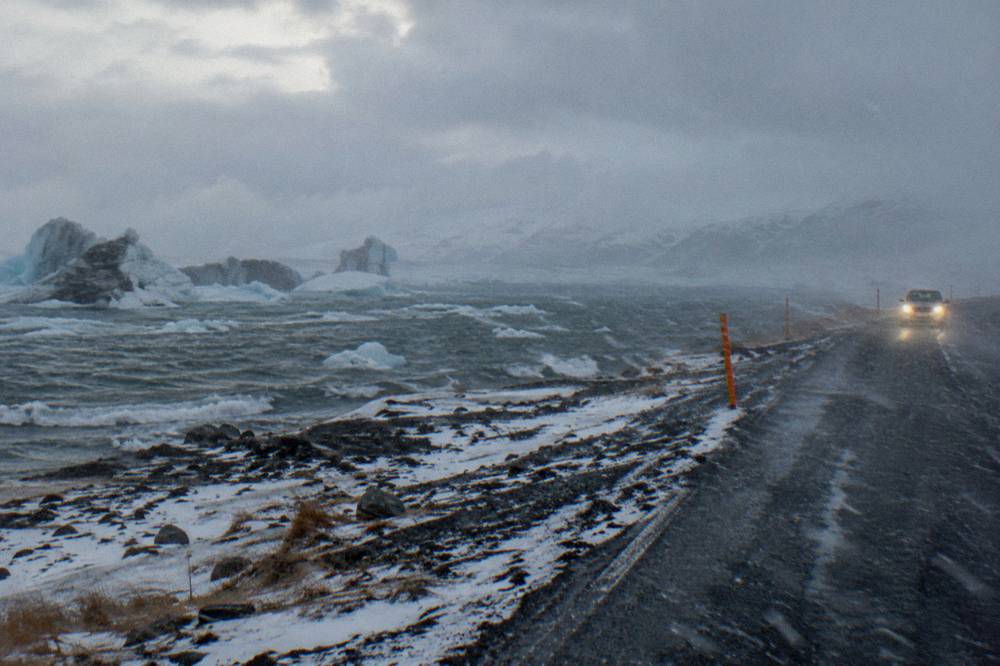
Route 1 is the other seasonal pressure. The road beside the lagoon sits close to the outlet river, and winter driving in Iceland means lights on front and rear around the clock, a rental car with winter tyres, and limited daylight, with current road conditions at umferdin.is and forecasts at the Icelandic Met Office. The road has seen works recently, including a full overnight closure for roadworks in late September 2026 and a closure of the main lagoon car park in early October 2026, both now finished, which is a useful reminder that the ring road here is actively maintained and worth a conditions check before any winter drive.
Which Weeks Are The Best To Book A Jokulsarlon Boat Tour?
The most reliable window for a boat ride is late May through mid September, when both boat types run, daylight is long, and the road is at its easiest. The peak of 1 July to 31 August brings about 40 amphibian departures a day but also the biggest crowds, so late June and early September often balance reliability against room at the railings.
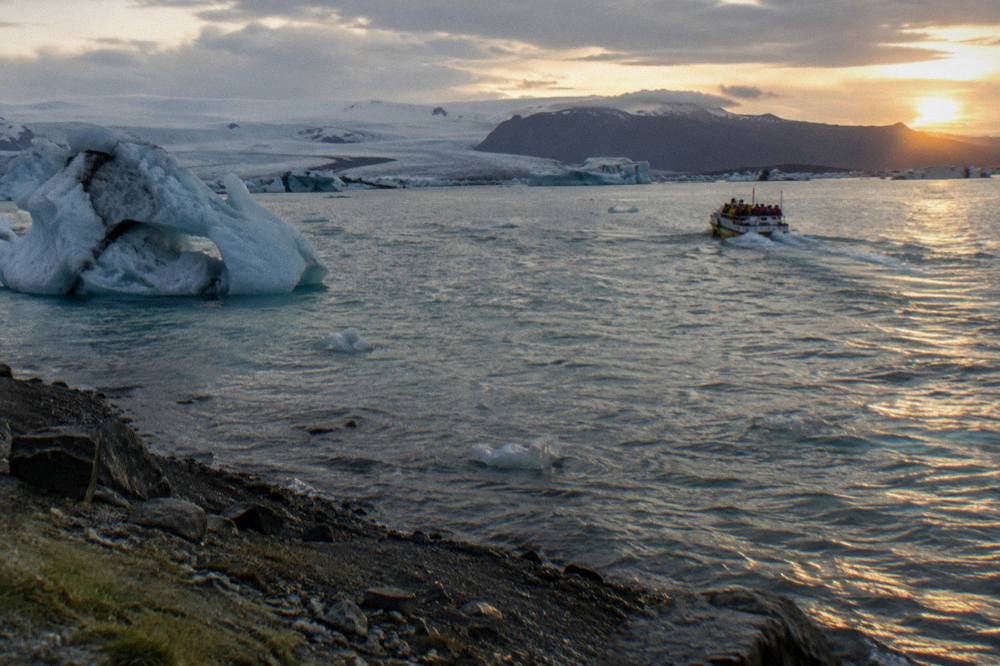
There is no single best month, because the trade-offs are real. July and August maximise departures and the chance of a calm, bright day, at the cost of sharing the lagoon shore with every coach from Reykjavik. June adds near-endless daylight, about 21 hours at the solstice measured at Hofn, though the lagoon sits too far south of the Arctic Circle for true midnight sun. September thins the crowds, while October is quiet, photogenic, and genuinely at the edge of the season.
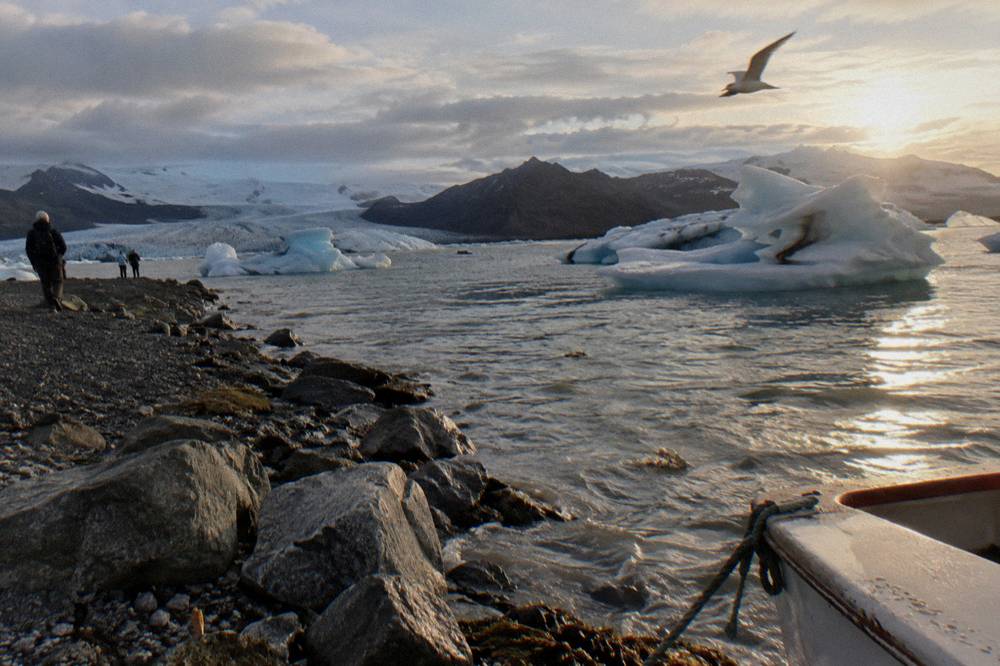
Daylight is a planning variable in its own right. Measured at Hofn, east of the lagoon and within minutes of the lagoon, the first of each month brings 16 hours 53 minutes of daylight in May, 20 hours 11 minutes in June, 17 hours 59 minutes in August, 14 hours 34 minutes in September, 11 hours 20 minutes in October and 7 hours 58 minutes in November, per timeanddate.com. A late-October traveller has less than half the daylight of a July traveller, and the last boat of the day leaves about an hour before closing, which shortens fast.
| Period | Boats | Daylight at Hofn, 1st of month | Crowd level | Best for |
|---|---|---|---|---|
| May | Amphibian and zodiac running | 16h 53m | Low | Quiet shores, some ice risk |
| June | Full season | 20h 11m | Building | Long light, solstice trips |
| July | Full season, about 40 amphibian trips a day | 20h 55m at 1 July peak per station data | Highest | Maximum departures |
| August | Full season | 17h 59m | High | |
| September | Full season | 14h 34m | Easing | Balance of weather and space |
| October | Usually to month end | 11h 20m | Low | Shoulder scenery, season risk |
| November to April | No boats listed | 7h 58m down to 4h 21m | Low | Ice caves and hikes instead |
Readers weighing the boat against other water options can also look at the kayak tour on the lagoon, a 1.5 hour paddle rated 4.7 across 532 reviews from $155 per person, which starts from the lagoon parking lot and, like the powered boats, involves no pickup.
What Can You Do At Jokulsarlon When The Boats Are Not Running?
When the boats are ashore, the lagoon still earns its stop: Diamond Beach lies about 500 m across the road, seals gather at the lagoon mouth in winter, and the ice cave and glacier hike tours run roughly October to April from the main car park. Parking costs 1,110 ISK for a passenger car, valid until midnight on the day paid.
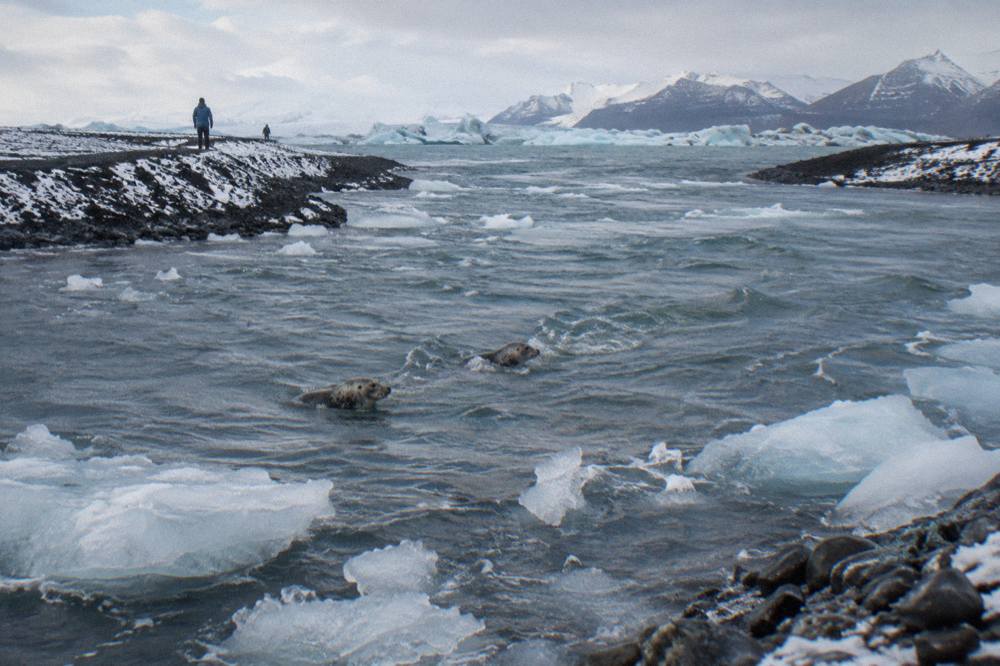
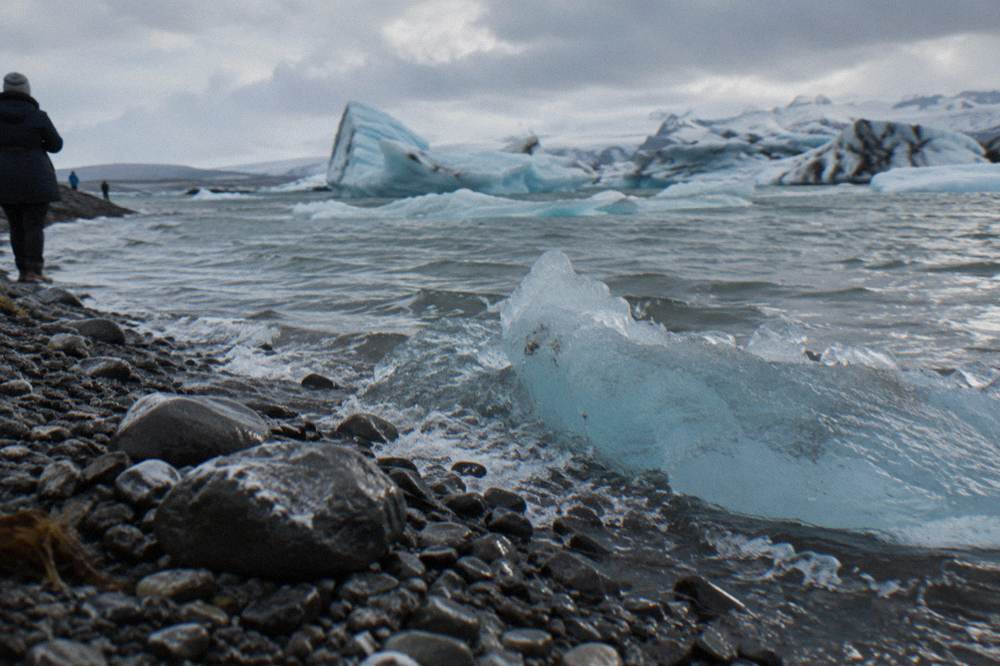
The winter lagoon is not a consolation prize. Ice packed against the black sand of Fellsfjara can be the most photogenic state the beach ever reaches, though no month is reliably best for ice on the beach, it varies with every tide and storm. The park asks visitors to walk under the Route 1 bridge rather than over it to reach the beach, and the sneaker-wave guidance that applies on any open Atlantic black beach applies here too: at an orange hazard level stay at least 25 m from the sea, and at red the beach closes and only the viewing area stays open, per safetravel's black beach page.
The fee side of a visit is small but worth knowing. Parking at Jokulsarlon is the Vatnajokull National Park regional fee, 1,110 ISK for a passenger car up to 5 seats, collected by licence-plate photo and payable at machines in the car parks or through the Parka app, valid until midnight on the day paid with free re-entry that day and 50 percent off if another fee-based park service area was visited the same date. The pricelist is on the park's own page. The park page does not state that the fee covers the Diamond Beach lots, so do not assume it does. There is no admission price for the lagoon itself.
The winter tours from the car park split into ice caves and glacier hikes. On the hike side, a guided Vatnajokull glacier hike of 4.5 hours, rated 4.8 across 1,081 reviews, runs from $149 per person with crampons, helmet and safety gear included, meeting at the Jokulsarlon main parking with no pickup, so travellers need their own transport to the lagoon.
The deeper commitment is the 6-hour glacier hike to a remote ice cave, rated 4.9 across 273 reviews from $279 per person, gear included, cave entry dependent on the day's conditions, with winter clothing and food not included. For readers torn between the two winter formats, the comparison in the best ice cave tour guide works through the trade-offs cave by cave.
How Should You Plan Dates Around The Season?
Plan boat-dependent trips between late May and mid September, book the boat as an add-on or a bundled fare rather than assuming it, and hold November through April for ice caves, glacier hikes and the winter beach. Every covered tour allows free cancellation up to 24 hours before departure, which absorbs most date shifts around the season's edges.
The planning sequence matters more than the specific dates. First fix the month against the boat season, because it decides which products exist at all. Second, choose how the boat enters the booking: as an optional add-on on the most reviewed day trip, as part of the fare on the two bundled trips, or directly with the lagoon operator for a self-drive visit. Third, check the two conditions sources in the week before travel, road state and forecast, since both can move a boat day faster than the calendar does.
A self-drive reader has more flexibility than a coach reader, and the trade-offs between the two approaches, distance, fatigue, winter roads against freedom to linger, are worked through in self-drive versus tour for Jokulsarlon. The lagoon sits about 370 km east of Reykjavik on Route 1, which makes a boat-focused day a very long one from the capital and an easy one from a night in the Hofn or Vik area.
Finally, keep the season's asymmetry in mind when reading prices. A from-price quoted on a day trip never includes the operator's boat fares, 7,100 ISK amphibian or 16,600 ISK zodiac for an adult on the 2026 direct list, and the bundled-boat day trips, along with one 2-day tour, are the covered options where the ride sits inside the fare. Questions of cost deserve their own page, and the boat tour cost guide breaks down every line item.
Whether the trip lands in the boat months or the cave months, Jokulsarlon Glacier Lagoon Tours keeps the calendar honest: boats May to October, sometimes November, caves roughly October to April, and no promises about ice.
Common Questions About The Jokulsarlon Boat Tour Season
When Is The Jokulsarlon Boat Tour Season?
The amphibian boats run May to October and sometimes into November when ice allows; the zodiacs run May to October. The operator's own pages state the window slightly differently, so treat May to October as the planning season and November as a possibility, not a promise.
Can You Ride A Boat At Jokulsarlon In Winter?
No. The main lagoon operator lists no winter boat tours once the season ends. Winter visits centre on the lagoon shore, Diamond Beach, the seals at the lagoon mouth, and the ice cave and glacier hike tours that run roughly October to April, conditions permitting.
Do Reykjavik Day Trips Include The Boat Ride?
Most do not. The most reviewed day trip, from $211 per person, and the 14 to 15 hour trip, from $225, list the boat as an optional paid add-on; the Gray Line trip excludes it; two trips, from $292 and from $328 per person, include the ride in the fare. No standalone boat tour is sold through the booking platforms.
What Is The Busiest Time For Boats On The Lagoon?
High season runs 1 July to 31 August, when the four amphibians run about 40 departures a day and the last trip leaves about an hour before closing. Midday is the most crowded window because that is when the Reykjavik coaches arrive.
What Happens If Weather Cancels A Boat Ride?
The operator's direct terms offer a rebooking or a full refund on a weather cancellation, 50 percent from 23 hours down to 2 hours before departure otherwise. Day trips carry their own free cancellation up to 24 hours before departure, separate from the boat operator's terms.
What Is The Best Month For A Jokulsarlon Boat Tour?
There is no single best month. Late May through mid September is the most reliable window, July and August offer the most departures but the biggest crowds, and June adds about 20 hours of daylight at the solstice. October is quiet but sits at the season's edge.