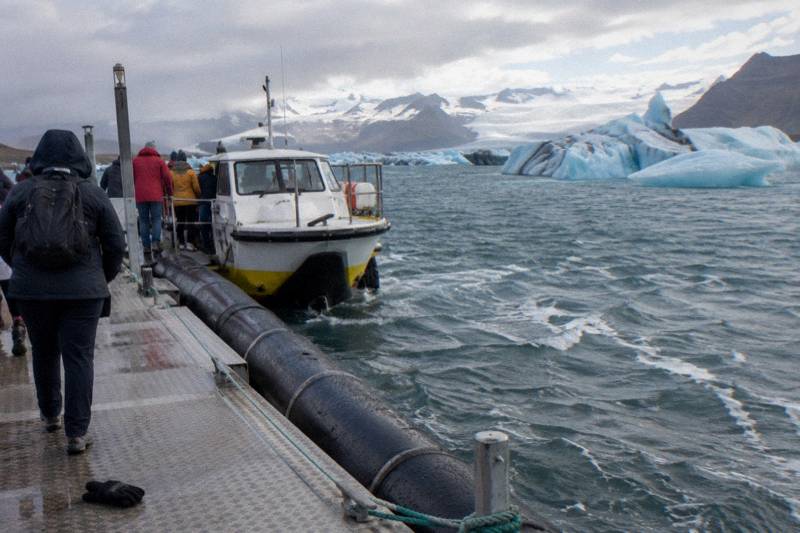
Vatnajokull National Park: Glaciers, Lagoons And Visiting
Jokulsarlon sits inside Vatnajokull National Park, a 14,967 km2 protected area that became a UNESCO World Heritage site in 2019. Here is what that means for a visit: how to get there, what you can do, what the rules are and what it costs.
Short answer
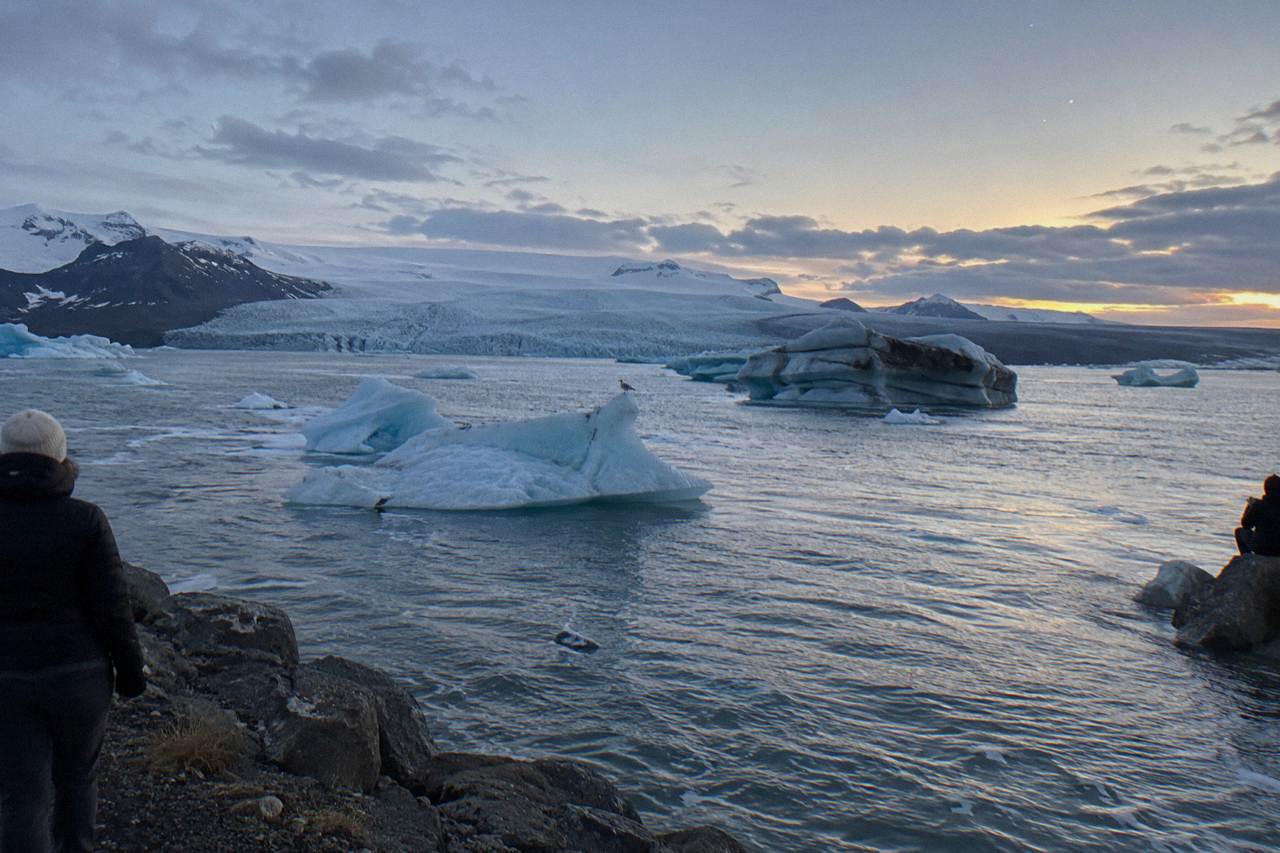
Vatnajokull National Park covers 14,967 km2 and includes Jokulsarlon, Diamond Beach and the Breidamerkurjokull ice caves. There is no entry fee; parking at the lagoon costs 1,110 ISK per car per day. Rangers supervise the area year-round, tours start at the lagoon car park, and guided trips run from $96 per person.
What Is Vatnajokull National Park?
Vatnajokull National Park covers 14,967 km2 of glacier, highland and south coast in Iceland. Jokulsarlon and Diamond Beach sit inside its Breidamerkursandur region. The land around the lagoon was bought by the Icelandic State in 2017 and protected as part of the park, and the whole park joined the UNESCO World Heritage list on 5 July 2019.
The park is built around Vatnajokull, the ice cap that gives it its name, and around the outlet glaciers that drain from it. Breidamerkurjokull is the one that calves into Jokulsarlon, and the lagoon itself only came into being as that glacier retreated: the lakes on this sandur began forming in the 1930s, and Jokulsarlon, Breidarlon and Fjallsarlon grew as the ice pulled back. What looks like an ancient landscape is, in glacier terms, a recent one, and it is still changing every year.
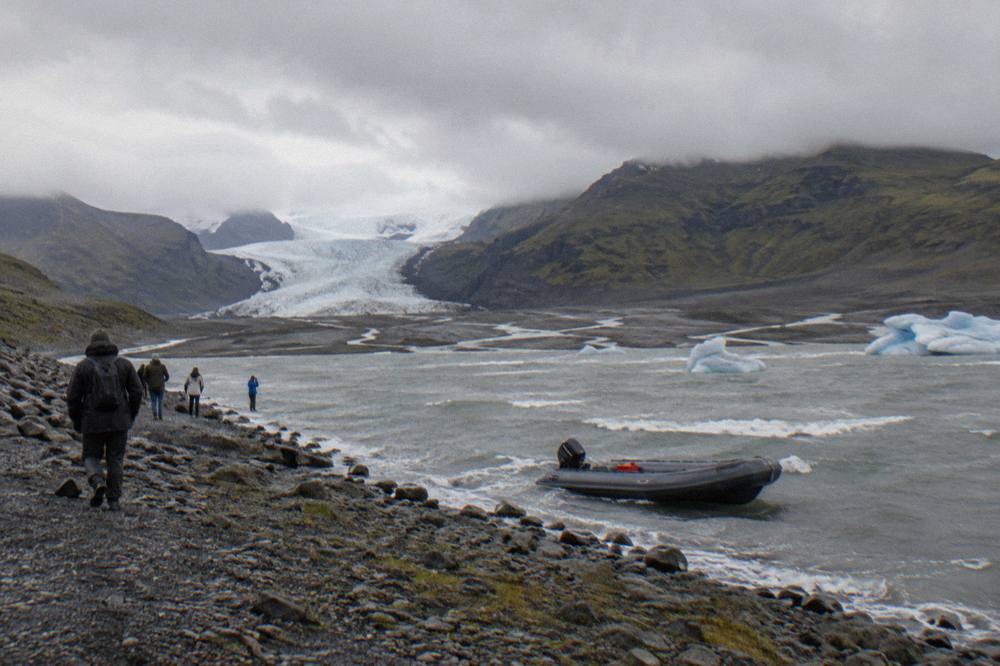
For a visitor, the practical shape of the park matters more than its headline number. The Breidamerkursandur area is the busiest corner: the lagoon, the Diamond Beach sand of Fellsfjara, and the ice caves under Breidamerkurjokull. The park's own page for the area notes that rangers supervise Jokulsarlon, Fellsfjara and Fjallsarlon every single day of the year, plus the Breidamerkurjokull ice caves in season. Flush toilets sit at Jokulsarlon and Fjallsarlon, and a cafe at the lagoon stays open year-round except 24 to 26 December and 31 December to 2 January, per the lagoon operator's FAQ.
Beyond Breidamerkursandur, the park stretches across several distinct regions, from the Skaftafell valley in the west, itself a favourite walking base long before the modern park existed, to the glacier forelands of the southeast and the highland margins north of the ice cap. Most travellers only touch the southern fringe, and honestly that fringe holds the marquee sights. But the park's size explains why it takes in such different terrain: an ice cap and its volcanoes at the centre, green valley approaches on the south side, and braided sands where glacial rivers reach the Atlantic. The same set of park rules, from drone restrictions to ranger coverage, applies across all of it.
Wildlife is part of the park's reason for existing. Breidamerkursandur is a nesting ground for great skuas, red-throated divers and greylag and barnacle geese, seals gather in large numbers where the glacial rivers meet the sea, and reindeer herds move on the eastern side in winter, sometimes crossing the road. All of this is why several of the rules further down this page exist, and why the nesting-season drone ban covers exactly these months.
For trip planning that centers on the lagoon rather than the whole park, the companion page on the Jokulsarlon Glacier Lagoon Tours site breaks down the individual tour types, and the guide to getting onto the ice at Vatnajokull covers the hiking side in detail.
Is Vatnajokull National Park Worth It?
Yes, for most south coast itineraries it is, and the reason is concentration: glaciers, a calving lagoon, a black sand beach and guided ice tours all sit within a few kilometres of one parking area. There is no entry fee. The only unavoidable cost is parking at 1,110 ISK per car per day, and even a short stop at the lagoon shoreline is free to view. Whether a paid tour is worth it depends on the season.
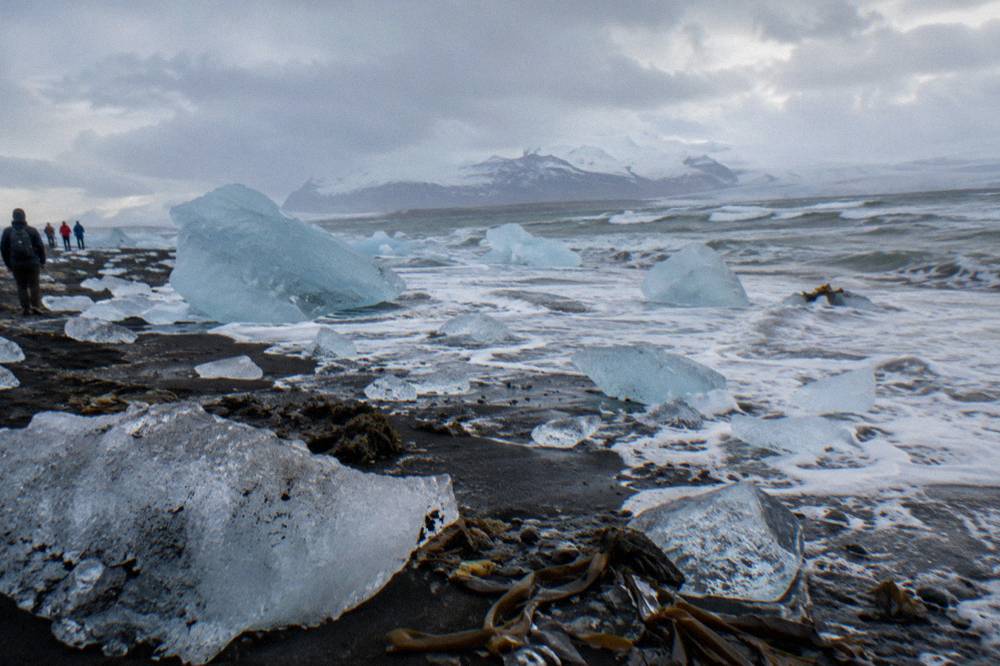
The honest case for the park is that it bundles things that would otherwise demand long detours. Standing at the lagoon shore you can watch icebergs drift toward the sea, walk about 500 m across Route 1 to Diamond Beach, and, in roughly October to April, join an ice cave tour that leaves from the same car park. In summer the caves are closed to commercial tours inside the park, but glacier hikes, kayaking and lagoon boat rides replace them.
The honest case against is distance. The lagoon sits about 370 km east of Reykjavik on Route 1. A day trip from the capital commits a full 14 hours or more, which is why many travellers split the journey or take a multi-day south coast tour. If your itinerary only allows a fast pass along the south coast, you will still see the lagoon and beach from the shore for nothing beyond parking, and many people find that alone worth the drive.
A middle position is to drive out the evening before, sleep near the lagoon or in Hofn, and use the next morning for a guided tour. The guided options at the lagoon itself are short, between 1.5 and 6 hours, which leaves room for the shoreline, the beach and the drive east or west afterward. The trade is one night of accommodation against a calmer, more flexible day, and in ice cave season, when daylight is scarce, an early start matters more than in June.
| Experience at the park | Rough cost | Time needed | Notes |
|---|---|---|---|
| Lagoon shoreline and viewpoints | Parking only, 1,110 ISK per car | 30 min to 1 h | Free to view, no ticket |
| Diamond Beach (Fellsfjara) | Parking lots beside the beach | 30 min to 1 h | Walk under, not over, the bridge |
| Glacier hike from Jokulsarlon | From $96 per person | 3 to 6 hours | Gear and guide included on listed tours |
| Ice cave tour from Jokulsarlon | From $164 per person | 2.5 to 3 hours | Roughly October to April, conditions permitting |
| Kayaking on the lagoon area | From $155 per person | 1.5 hours | Gear included, meet at the lagoon parking lot |
| Lagoon boat ride (operator direct) | 7,100 ISK adult amphibian | 30 to 40 min | Sold by the lagoon operator, May to October |
Guided activities are where a park stop turns into something you could not do alone. Three ways to spend a day here, from a short walk on ice to a full expedition:
How Do You Get To Vatnajokull National Park?
Almost everyone arrives on Route 1, the ring road, and the main access point is the Jokulsarlon car park about 370 km east of Reykjavik. Lagoon-start tours for ice caves, glacier hikes and kayaking all meet at or near this car park, so you need to get yourself there first. Reykjavik day trips and multi-day tours cover the drive for you.
If you are self-driving, the practical advice is seasonal. In winter, safetravel's winter driving guidance applies: headlights front and rear on around the clock, a rental car with winter tyres, and limited daylight to work with. Road conditions are published at umferdin.is/en and weather forecasts at en.vedur.is, and the emergency number is 112. The road itself is paved the whole way, but coastal sections can close in storms or for roadworks, sometimes with no detour available, as a one-night closure near the lagoon for roadworks showed.
If you would rather not drive, the tour options split neatly by start point. Trips from Reykjavik run about 14 to 15 hours and most include a stop at a south coast waterfall such as Seljalandsfoss or Skogafoss, while tours starting at Jokulsarlon assume you have already made the journey, usually with an overnight in the area. The guide to a drive from Reykjavik to Jokulsarlon covers the route in detail, and the comparison of a self-drive trip versus a tour weighs the two approaches side by side.
| Start point | Typical tour | Duration | From price | Meeting point |
|---|---|---|---|---|
| Reykjavik | BusTravel Diamond Beach Day Trip | 14 hours | $211 per person | Pickup option available |
| Reykjavik | Gray Line 14.5-Hour South Coast | 14.5 hours | $234 per person | BSÍ Bus Terminal |
| Reykjavik | 2-Day Small Group, Blue Ice Cave | 2 days | $689 per person | Pickup included |
| Jokulsarlon | Guided Vatnajokull Ice Cave, 3 Hours | 3 hours | $164 per person | Jökulsárlón |
| Jokulsarlon | Vatnajokull Hike, 4.5 Hours | 4.5 hours | $149 per person | Jökulsárlón Main Parking |
| Jokulsarlon | Kayaking, 1.5 Hours | 1.5 hours | $155 per person | Glacier Lagoon parking lot |
Two practical notes on arrival. First, parking arrangements at the lagoon can change, so older trip reports may no longer match conditions on the ground. Second, the parking payment is by licence plate, so if you arrive in a rental car, note the plate at the machine when you pay; the fee is valid until midnight with free in-and-out access that day.
A note on where to sleep: camping at the lagoon itself is not permitted, as it lies inside the national park. The nearest overnight bases are covered in the guide to where to stay near Jokulsarlon, and Hofn, a town further east, is the usual fallback; its options are listed on the page of things to do in Hofn.
What Can You Do Inside The Park?
The park's activities cluster around Jokulsarlon: shoreline walks and viewpoints, ice cave tours roughly October to April, glacier hikes and kayaking in the warmer months, and boat rides on the lagoon run by the lagoon operator itself from May to October. Guided tours from the lagoon start around $96 per person for a three-hour glacier hike, with gear and a guide included on the listed options.
Ice caves are the winter headline. The operator season runs roughly October to April, conditions permitting, and no tour can promise entry, a colour or a cave size: conditions are assessed daily, and after the August 2024 fatal collapse on Breidamerkurjokull the park imposed stricter rules, including a lead guide and daily safety assessment of each cave. Summer commercial natural ice cave tours inside the park are not run at all. Every lagoon-start ice cave tour on this site meets at or near the main car park, so you make your own way there.
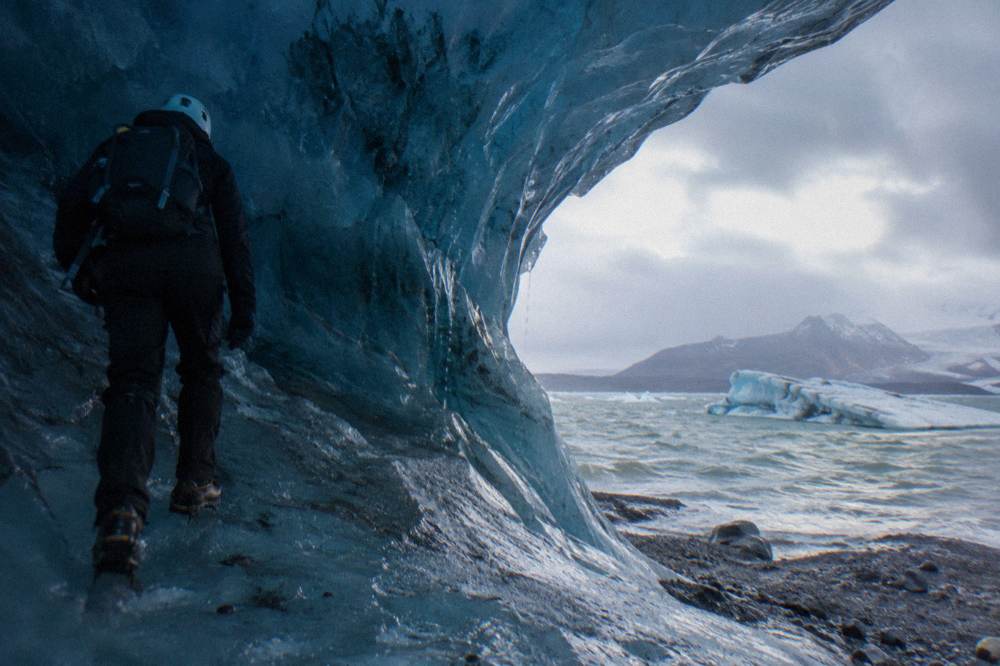
The Guided Vatnajokull Ice Cave tour at 3 hours from $164 reaches its cave by super jeep, while a longer option is the 6-Hour Hike to a Remote Ice Cave at from $279, rated 4.9 across 273 reviews, which combines a full glacier hike with a cave visit when conditions allow. For a shorter taste of the ice, the Skaftafell Glacier Hike runs 3 hours from $96 per person, the lowest per-person price of any tour covered here. Crampons, helmet and safety gear are included on these tours, but clothing and hiking boots are not, so check what to bring before you go.
The small-group ice cave option deserves a line of its own. The Small Group Ice Cave tour at 2 hours 30 minutes, from $194 and rated 4.8 across 298 reviews, is built around a tighter group of no more than 12 and meets at the Jokulsarlon main south parking lot.
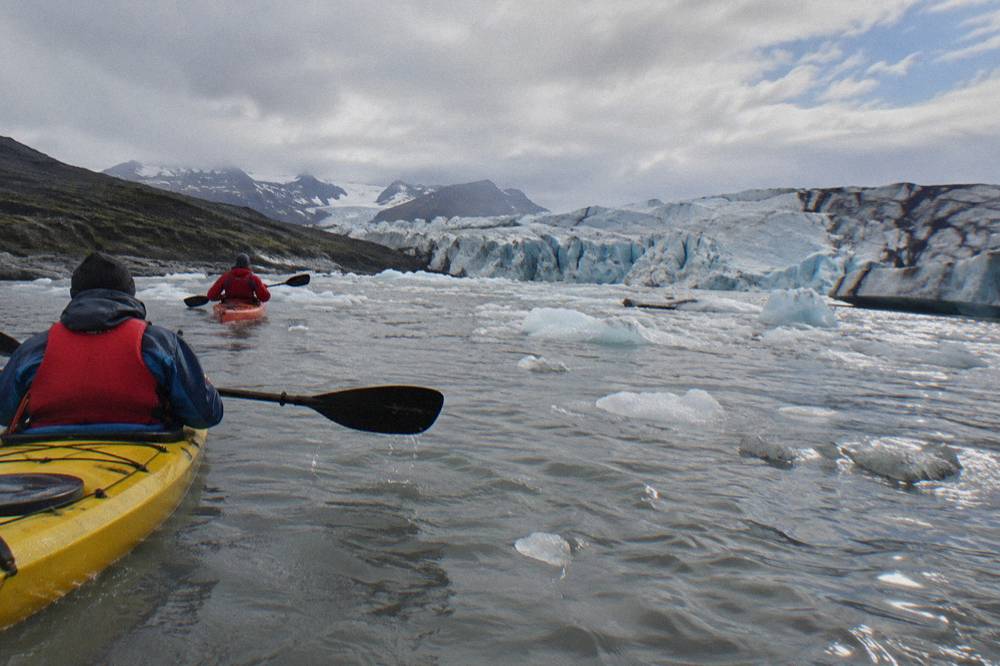
Boats and kayaks are the summer side of the park. There is no standalone lagoon boat tour sold through booking platforms: the amphibian and zodiac rides are sold directly by the lagoon operator at the site, at 7,100 ISK for an adult amphibian ticket of 30 to 40 minutes and 16,600 ISK for the 1 h 15 min zodiac, seasons running May to October with the amphibian sometimes into November. Some Reykjavik day trips list the boat as an optional paid add-on at booking, a few include it, and the rest say nothing about it. Kayaking is different: a genuine 1.5-hour guided kayaking tour, from $155 per person and rated 4.7 across 532 reviews, meets at the lagoon parking lot with gear included.
Walking is the quiet third activity, and it costs nothing. Marked trails run from the main lot north to the Helguholl ridge, along Fellsfjara on the beach side, and a longer 15 km stretch between Fjallsarlon and Jokulsarlon for anyone with a full day and proper layers.
What Rules And Fees Apply Inside The Park?
Parking is the main fee: a regional charge of 1,110 ISK for a passenger car, collected by licence-plate photo at entry and payable at machines in the car parks or via the Parka app, valid until midnight with free in-and-out that day. Camping at the lagoon is not allowed, drones are banned at Jokulsarlon and Fellsfjara from 15 April to 15 July, and Diamond Beach is reached by walking under, not over, the Route 1 bridge.
The full parking scale from the park pricelist is below. One useful detail: if you visit another fee-based Vatnajokull service area the same day, the regional fee is halved. The pricelist does not state that one payment covers the separate Diamond Beach lots, so treat that as unconfirmed rather than assumed.
| Vehicle category | Fee |
|---|---|
| Passenger car, up to 5 seats | 1,110 ISK |
| 6 to 9 seats | 1,440 ISK |
| Bus, 10 to 21 seats | 2,770 ISK |
| Bus, 22 to 32 seats | 5,200 ISK |
| Bus, 33 or more seats | 9,400 ISK |
| Motorcycle | 450 ISK |
Drone rules are the second thing photographers trip over. Flying is banned outright at Jokulsarlon and Fellsfjara between 15 April and 15 July for the nesting season; outside that window it is only permitted before or after set hours that shift through the year, for example before 12:00 or after 14:00 in the depth of winter. The red-shaded busy zone is prohibited at all times, and commercial filming needs a permit. The full schedule is on the park's drone rules page.
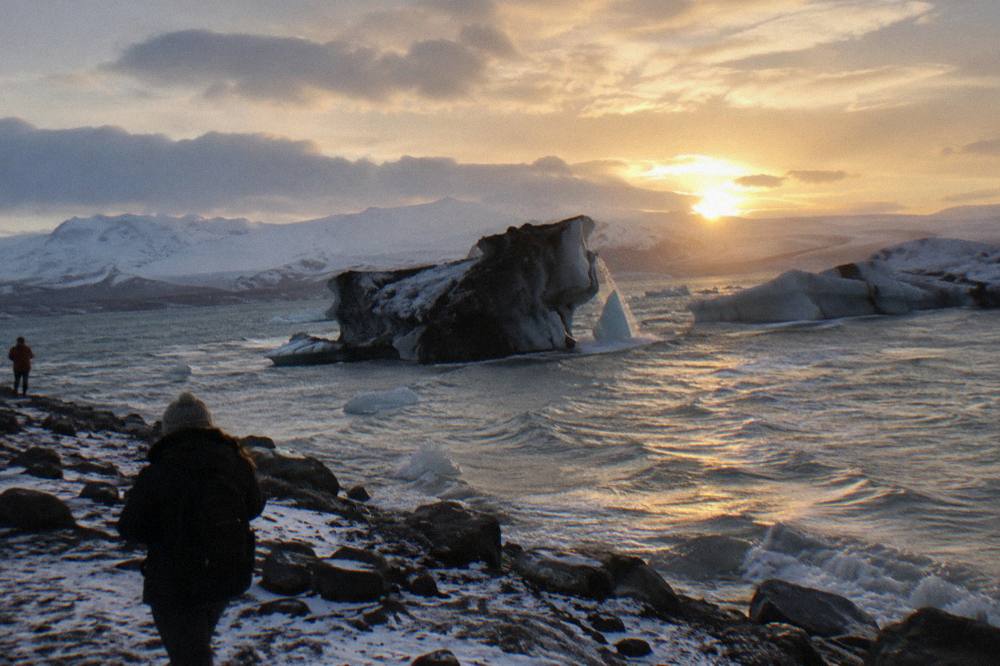
On the beach itself, the park asks visitors to walk under the bridge rather than over it, and the general guidance is not to stand between stranded ice and the sea. There is no Diamond Beach specific warning page, but safetravel's black beach guidance applies on any open Atlantic shore: sneaker waves arrive without warning, so stay well back from the waterline. That page is written for Reynisfjara, and the same physics applies here.
Finally, the glacier itself. Safetravel's line is that you should never go onto a glacier without experience or the proper equipment, and hiring a certified glacier guide is highly recommended. Crevasse maps were updated in March 2026, which tells you how changeable the ice is. Commercial access to the ice caves runs through park-contracted operators with daily condition assessments; that is the honest answer to whether you can visit one without a tour, and the blog post on visiting an ice cave without a tour unpacks it.
When Is The Best Time To Visit?
There is no single best month; it depends what you came for. Ice caves run roughly October to April and are closed to summer tours inside the park, while glacier hikes, kayaking and the lagoon's boats suit May to October. Daylight at Hofn swings from 4 h 21 min on 1 January to 20 h 11 min on 1 June, so the season decides both what is open and how much day you have to work with.
The daylight figures below are for Hofn, a town east of the lagoon, and the lagoon is within minutes of them. They come from astronomical calculations rather than local measurement, but they are the standard planning reference.
| Month | Daylight on the 1st (Hofn) | Mean daily temp (Kirkjubaejarklaustur) | Rain (mm) | What it means |
|---|---|---|---|---|
| January | 4 h 21 | 0.1 °C | 157 | Ice caves, very short days |
| February | 7 h 06 | 0.0 °C | 141 | Ice caves, storms possible |
| March | 10 h 10 | 0.8 °C | 133 | Caves plus usable daylight |
| April | 13 h 33 | 3.3 °C | 121 | Cave season winds down |
| May | 16 h 53 | 6.9 °C | 104 | Boats and hikes begin |
| June | 20 h 11 | 9.8 °C | 113 | Longest days, no midnight sun |
| July | 20 h 55 on the 1st | 11.6 °C | 123 | Warmest month |
| August | 17 h 59 | 11.0 °C | 166 | Hiking, more rain |
| September | 14 h 34 | 8.1 °C | 158 | Quieter, changeable |
| October | 11 h 20 | 4.6 °C | 163 | Cave season restarts |
| November | 7 h 58 | 1.8 °C | 145 | Caves, short days |
| December | 4 h 59 | 0.3 °C | 177 | Caves, least light |
Two honesty notes on that table. The temperature and rain normals are from Kirkjubaejarklaustur, the nearest long-record station, which is about 200 km west of the lagoon; the coast right beside the lagoon differs, so treat the numbers as a regional sketch, not a forecast. And even at the June peak, Hofn gets no true midnight sun: on 21 June the sun still sets, at 23:39, after 21 h 14 m of daylight.
Season also changes what the beach gives you. How much ice sits on Fellsfjara varies with tide, wind and glacier activity, and there is no reliable best month for it: the operator's own FAQ is blunt that ice conditions change daily. Seals are the one thing winter improves, gathering in large numbers at the lagoon mouth to feed. Whatever the month, check en.vedur.is and umferdin.is/en before the drive, and build slack into any winter day trip. In the deepest months, with barely five hours of daylight, a cave tour that starts mid-morning can finish near dusk, so book the earliest departure available and keep the beach walk for the return leg.
Common Questions About Vatnajokull National Park
Is Vatnajokull National Park Worth It?
For most itineraries, yes. The park concentrates a calving glacier lagoon, a black sand beach, ice cave tours and glacier hikes within one stop on Route 1, with no entry fee and parking at 1,110 ISK per car. The cost is distance: about 370 km from Reykjavik along Route 1, which suits an overnight or a long day trip better than a rushed detour.
How Much Does It Cost To Visit Vatnajokull National Park?
Viewing the lagoon and Diamond Beach costs only the parking fee, 1,110 ISK for a passenger car, valid until midnight with free in-and-out that day. Paid activities start at from $96 per person for a three-hour glacier hike, ice cave tours run from about $164, kayaking from $155, and the lagoon operator's own amphibian boat is 7,100 ISK for an adult.
Can You Visit The Ice Caves In Summer?
No. Natural ice cave tours inside the national park do not run in summer; commercial access was stopped after the August 2024 collapse on Breidamerkurjokull, and the season now runs roughly October to April with daily condition assessments. In summer, glacier hikes, kayaking and the lagoon's boat rides are the alternatives.
Is There An Entry Fee Or Do You Need Tickets?
There is no admission charge for the park itself and no ticket for the shoreline or Diamond Beach. The only mandatory payment is the regional parking fee, collected by licence-plate photo and payable at machines in the car parks or through the Parka app. Tours and the operator's boat rides are paid separately.
Can You Camp At Jokulsarlon?
No, camping at the lagoon is not permitted because it lies inside the national park. Flush toilets and a year-round cafe are available at Jokulsarlon itself, but overnight stays require lodging elsewhere, typically toward Hofn or back along the south coast.
Where Do Tours Inside The Park Start?
Ice cave, glacier hike and kayaking tours meet at the lagoon car park or immediately beside it, and several explicitly state no pickup, so you need your own transport to get there. Reykjavik day trips and multi-day tours instead collect in the capital and cover the roughly 370 km drive with sightseeing stops en route.
A park this size rewards at least one guided outing, from a short hike to a full glacier expedition.